Planning Your Iceland Road Trip
Planning a road trip in Iceland requires careful consideration of numerous factors to ensure a smooth and enjoyable experience. The best time to visit Iceland is during the summer months, from late May to early September, when the days are long, and the weather is milder. This period allows travelers to explore the stunning landscapes without the hindrances of snow and ice.
Creating a comprehensive itinerary is essential. Popular routes include the famous Golden Circle, which features the remarkable Þingvellir National Park, the breathtaking Geysir geothermal area, and the stunning Gullfoss waterfall. Additionally, the South Coast offers a brilliant mix of black sand beaches and majestic waterfalls, such as Seljalandsfoss and Skógafoss. Lastly, a visit to the Snæfellsnes Peninsula should not be overlooked, as it offers diverse landscapes, including volcanic craters, charming villages, and the iconic Kirkjufell mountain.
Choosing the right vehicle is crucial for an Icelandic road trip. Renting a 4×4 vehicle is recommended, especially if you plan to explore the highland areas or venture off the main roads. This choice ensures better handling on gravel roads and enhances safety during unpredictable weather conditions. Furthermore, several accommodation options are available, ranging from hotels to guesthouses and campgrounds. It is advisable to book in advance, especially during the peak season.
As for preparation, packing essentials for Iceland’s variable weather is a must. Equip yourself with layers of clothing, waterproof outerwear, sturdy hiking shoes, and a reliable camera to capture the breathtaking views. Don’t forget to bring a power bank to keep your devices charged, as remote areas may lack electrical outlets. Focusing on these aspects will undoubtedly enhance your overall road trip experience in Iceland.
Must-See Destinations and Attractions
Embarking on a road trip across Iceland presents a plethora of stunning destinations that showcase the country’s dramatic landscapes and natural wonders. One of the first stops should be Þingvellir National Park, a UNESCO World Heritage site renowned for its historical significance and geological marvels. Here, you can witness the rift between the North American and Eurasian tectonic plates while enjoying breathtaking views of the surrounding valleys and lakes.
The next must-visit location is the majestic Gullfoss waterfall. This iconic waterfall cascades in two tiers, creating a breathtaking roar as it plunges into a deep canyon. Visitors can marvel at the power of nature by walking along the designated paths that provide stunning vantage points, especially in the golden glow of sunset.
No trip to Iceland would be complete without a visit to the Jökulsárlón glacier lagoon. This spectacular site features floating icebergs and is situated near the beautiful Diamond Beach, where ice chunks contrast strikingly against the black sand. Take a boat tour for an up-close look at these magnificent glacial formations, which are constantly changing and mesmerizing.
Another iconic location to include is the Blue Lagoon, known for its geothermal waters enriched with minerals and silica, offering rejuvenating properties. The spa facilities are designed to allow visitors to unwind in a surreal landscape surrounded by lava fields, making it a perfect relaxation stop after your adventures.
In addition to these famous sites, consider exploring the Eastfjords. This region is lesser-known and boasts stunning fjord landscapes, quaint fishing villages, and unique wildlife. Discover local scenic areas that offer a truly authentic Icelandic experience away from the crowds, perfect for those looking to enjoy a more tranquil side of the country.
Culinary Delights on the Road
Embarking on a road trip through Iceland is not only an adventure for the eyes but also a tantalizing experience for the palate. The country’s culinary landscape is rich and varied, emphasizing fresh, local ingredients that reflect its unique geography. One of the cornerstone dishes to savor while traversing the island is traditional Icelandic lamb. Known for its rich flavor and tender texture, the lamb is typically slow-cooked or roasted, offering a savory meal that can be enjoyed in many restaurants along popular routes such as the Golden Circle.
For seafood enthusiasts, Icelandic fish dishes are a must-try. The surrounding ocean provides a bounty of fresh fish, like cod and haddock, frequently featured in local menus. Many roadside eateries offer fish and chips, while more upscale dining establishments may serve gourmet seafood plates that highlight the freshness of the catch. The capital city, Reykjavik, boasts numerous seafood restaurants, including famous places like Fiskfélagið and Sjávargrillið, where visitors can indulge in local flavors.
Don’t overlook the delightful desserts that Iceland has to offer. Skyr, a thick and creamy yogurt, is a traditional Icelandic product that has gained international acclaim. It’s often enjoyed as a snack or dessert, topped with berries or honey. While traveling, you can find various brands of skyr available in supermarkets and convenience stores, making it a perfect refreshment during your journey.
Furthermore, indulging in area-specific food markets can enhance your road trip experience. These markets provide not only fresh produce but also specialty items, such as local cheeses and baked goods. Stopping by these markets is an excellent way to stock up on supplies, ensuring that you have a delicious array of snacks at hand as you explore the breathtaking landscapes of Iceland. Having a selection of local delicacies will make your road trip exceptionally memorable.
Tips for a Safe and Enjoyable Road Trip Experience
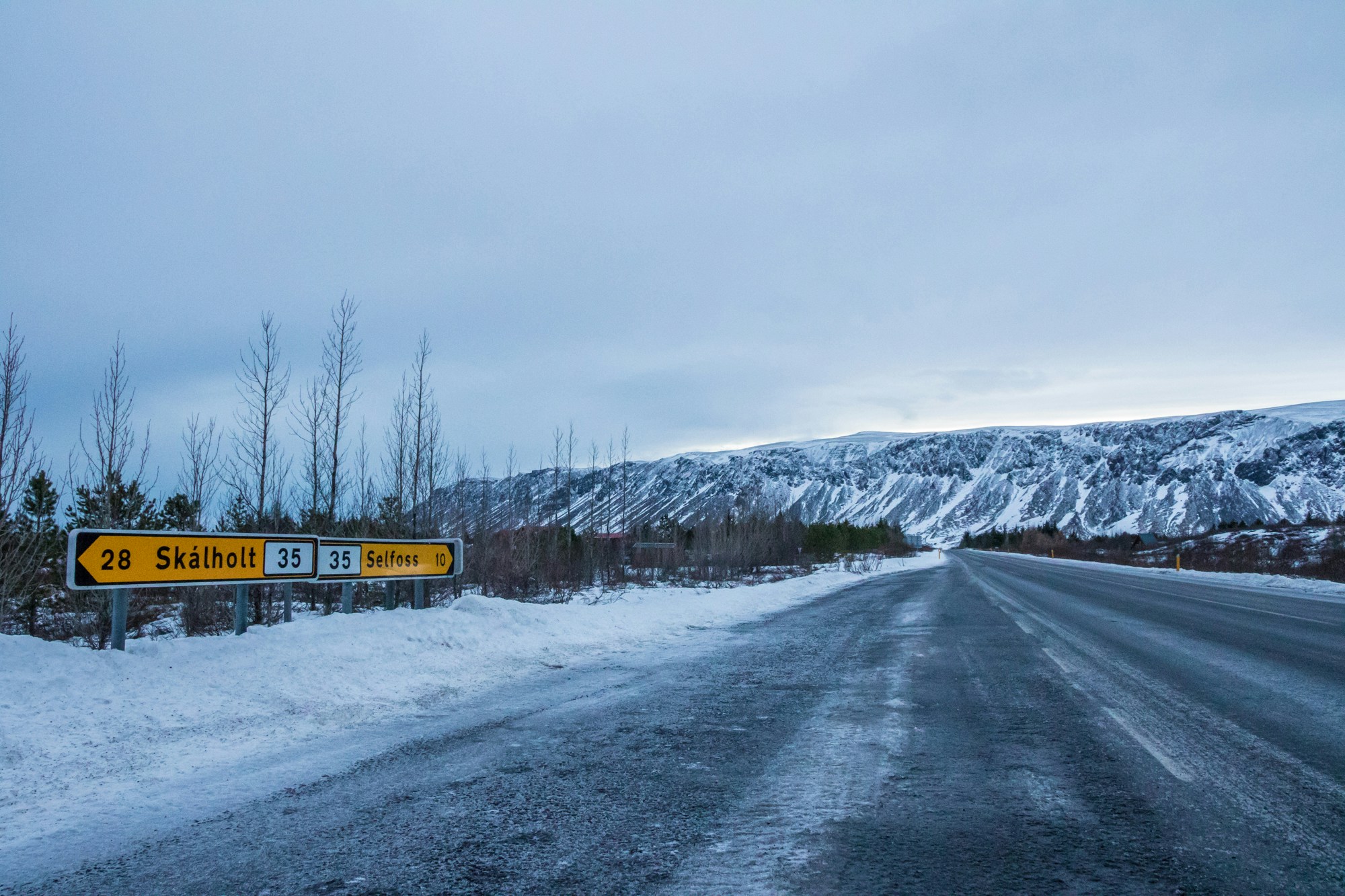
Embarking on a road trip through Iceland is a thrilling adventure, but it is essential to prioritize safety and enjoyment throughout your journey. Driving conditions in Iceland can vary significantly, so understanding the nuances of local terrain and weather patterns is vital. Roads in rural areas may be unpaved or subject to sudden closures, requiring drivers to exercise caution and always check road conditions before setting out.
Familiarizing yourself with local traffic laws is another crucial aspect. Speed limits are enforced rigorously and can differ drastically between urban and rural areas. Additionally, ensure that you are aware of specific regulations concerning right-of-way at intersections and wildlife crossings, as animals can unexpectedly appear on the roads.
Weather in Iceland can change rapidly, making it imperative to be prepared for any scenario. Carrying extra layers, food supplies, and water will come in handy if you encounter challenging weather conditions or if you need to wait out a storm. It is recommended to have an updated weather app to monitor conditions and receive alerts regarding potential hazards while driving.
As you explore the enchanting landscapes, remember to respect nature and the local wildlife. Stay on marked roads and trails to minimize the risk of damaging sensitive ecosystems. It is essential to adhere to the principle of ‘leave no trace’—this means packing out all trash and avoiding disturbing flora and fauna.
Maintaining vehicle safety is also paramount when embarking on your journey. Ensure that your rental or personal vehicle is in good condition, with functioning brakes, lights, and wipers. Check tire pressure and tread, and don’t hesitate to ask rental companies for specific guidelines pertaining to Icelandic roads.
Leave a Reply