Two Months in Barcelona: What Living Here Taught Me That a Week Never Would

Published: June 2, 2026 · Bea Destinations


I have been to Barcelona before. Most people who end up spending two months here have — you come once on a trip, something sticks, and eventually you find a reason to come back longer. What I didn’t expect was how different it would feel to actually live somewhere versus visit it. Not in a profound, life-changing way. Just in the specific, ordinary way that changes how you understand a place.

I arrived in early February. I left at the end of April. Two months is long enough to have a regular coffee order, to know which mornings the market is too crowded to bother, and to have opinions about neighborhoods in the way that only people who’ve walked them at 8am on a Tuesday can.

Here’s what that actually taught me.


The tourist version of Barcelona is real — and also completely beside the point

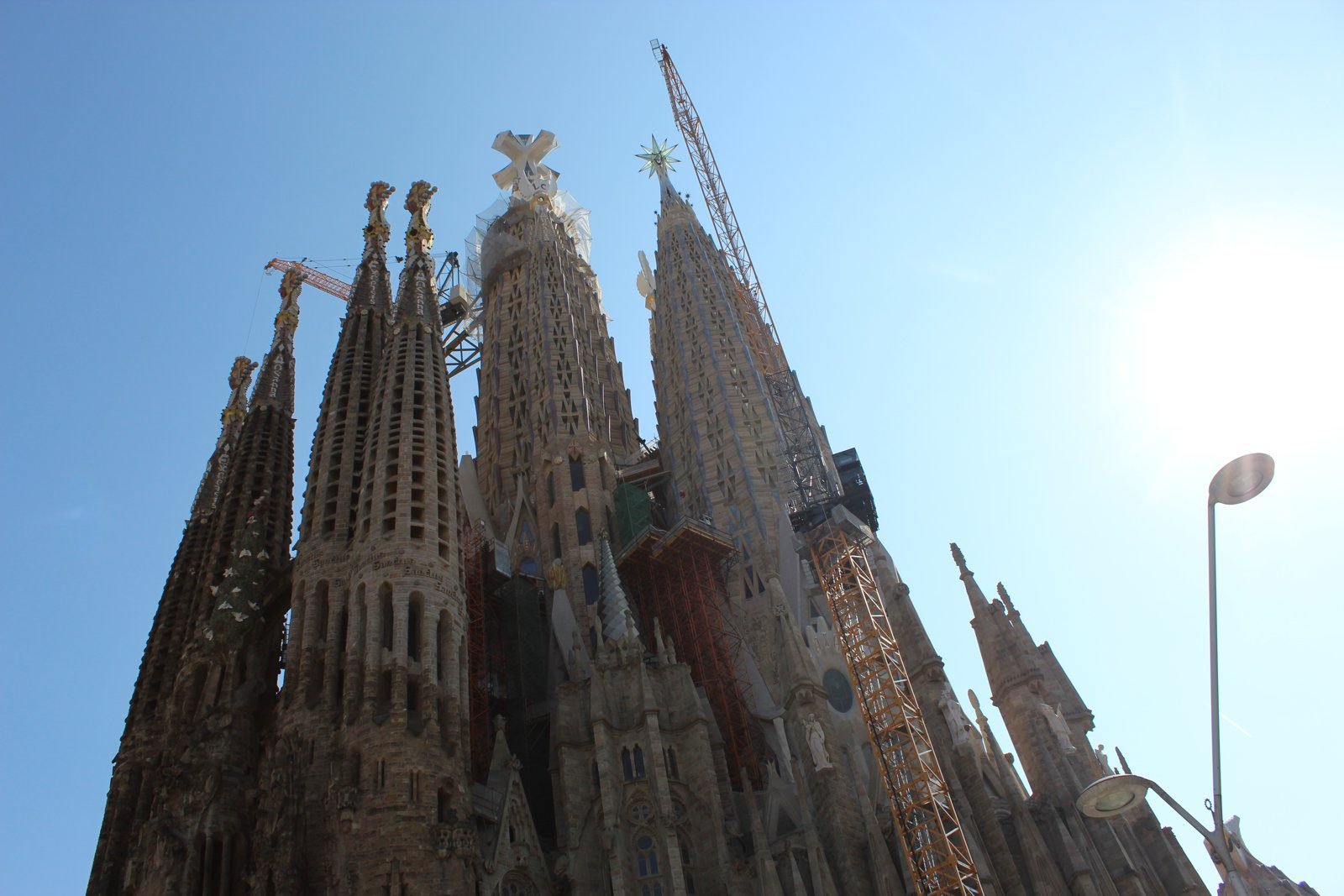
Let me be clear: the things people come to see are worth seeing. The architecture is as extraordinary as advertised. The food is not overhyped. The light on the water in late afternoon genuinely looks like a photograph even when you’re standing in it.
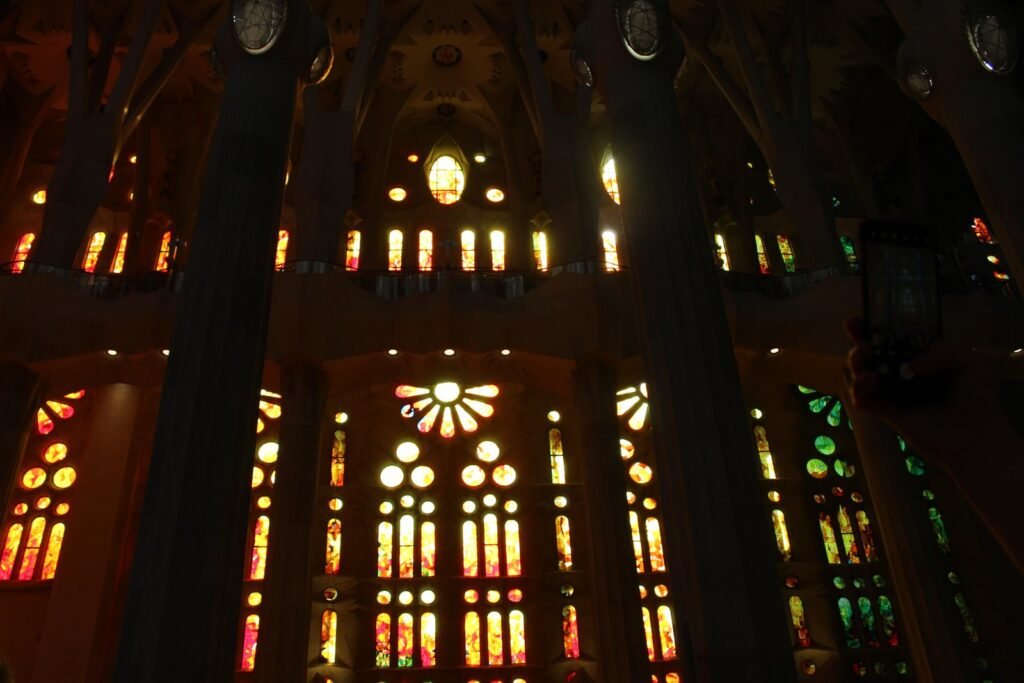
But the tourist version of the city runs on a different clock. It wakes up late, eats late, stays out late, and moves in a particular current between the Gothic Quarter, the beach, and Las Ramblas. Once you step off that current — even slightly — you’re in a different city.

The city I lived in woke up early. It had a morning commute and a bakery queue and elderly men reading newspapers at the same table every single day. It had a version of quiet I didn’t expect, tucked into side streets in neighborhoods that aren’t on most itineraries. That city was harder to find and worth considerably more once I found it.


On neighborhoods: the debate everyone has, and my actual answer

The first question anyone asks when you say you stayed in Barcelona for two months is where did you stay? And the answer matters to them because there’s a strong Barcelona-locals opinion hierarchy about neighborhoods that I did not fully appreciate until I was inside it.

Here is my honest take, having walked most of them more times than I can count:

Example is beautiful and functional and a little soulless in the way that beautiful, functional places sometimes are. The grid is an engineering marvel. The buildings are extraordinary. The cafés are good. It is also extremely easy to forget you’re in Spain and feel like you’re in a very aesthetically coherent international city. Not a criticism. Just a note.

El Born is the neighborhood everyone recommends and for good reason — narrow streets, good light, better bars, the kind of architecture that makes you stop and look up constantly. It is also the neighborhood where you are most likely to hear more English than Catalan on a Saturday afternoon. Still worth it. Still my favorite for walking.

Poblenou is where I’d tell anyone to stay if they’re going for more than a week and want to feel like they’re in a city rather than a postcard. It’s the former industrial district, now home to design studios and tech companies and the kind of residential blocks that have a neighborhood bakery and a hardware store and a Thai restaurant all on the same street. It is not particularly picturesque. That’s the point.

Gràcia is where you go when you’ve been to El Born enough times and want something quieter and more local. Smaller plazas. Longer lunches. Fewer group tours. If you have limited time, skip it. If you have time to slow down, go.

The honest answer to where should I stay is: it depends on why you’re there. But if you’re going for more than five days and you haven’t considered Poblenou, consider Poblenou.


What I got wrong before I arrived

I thought I knew Barcelona. I had been here before. I speak Spanish. I have Spanish heritage — my family is Cuban, which is a particular kind of relationship with Spain that is complicated and affectionate in equal measure. I figured the language alone would make me feel less like a visitor.

What I didn’t account for was Catalan.

Barcelona is a bilingual city in a way that isn’t immediately obvious until you’re trying to navigate a conversation and realize the menu is in Catalan, the street signs are in Catalan, and the person helping you has switched from Spanish to Catalan halfway through without noticing. My Spanish was useful. My Catalan was nonexistent. There is a particular kind of linguistic humility that comes from being confident in one language and completely lost in another that exists six inches away from it.

I also got the weather wrong. I arrived expecting February to be cold and found it mild in the afternoons and genuinely cold at night in a way I was not dressed for. Florida does not prepare you for European winter. Noted for next time.


What surprised me most: the pace

I am not a slow traveler by nature. I am a planner. I build itineraries. I have a professional background in systems and operations and it shows in how I approach travel — I want to know what we’re doing, when, and how long it takes to get there.

Barcelona is not a city that rewards that approach. Or rather, it rewards it in the morning and then stops cooperating around 2pm.

Lunch here is not a quick meal. It is an event. Restaurants that open at 1:30pm are still seating people at 3:30pm and nobody looks like they’re in a hurry. The evening meal starts at 9pm at the earliest and the concept of a “late dinner” doesn’t exist because dinner is always late. My internal schedule, calibrated to American eating times and Florida daylight, took approximately three weeks to adjust.

Once it adjusted, I didn’t want to go back.

There is something worth noting about a city that has structurally built rest into the middle of the day — not as a luxury but as a default. I’m not saying it’s more productive. I’m saying it changed how I experienced time during those two months in a way that was harder to give up than I expected.


On training, competing, and moving through a city as an athlete

I play handball. I’m part of the US Women’s National Team, which means even when I’m traveling, I’m training. That shapes how I experience cities in ways that are both practical and occasionally absurd.

Barcelona, it turns out, is an excellent city to train in if you’re willing to be flexible about format. I found a box gym in Poblenou with a barbell and enough floor space. I ran along the waterfront at 6:30am when it was mostly empty and beautiful. I did court work when I could find space and made peace with doing footwork drills in an apartment that was slightly too small for footwork drills.

What I didn’t expect was how much the city itself became part of the training. Walking 8–10 miles a day just living normally — going to the market, meeting people for lunch, wandering after work — is a different kind of conditioning than structured sessions, but it’s not nothing. My feet hurt in a specific way that felt like accumulation rather than injury. That’s the Barcelona tax and it’s worth paying.


What living somewhere does that visiting doesn’t

A week in Barcelona gives you the highlights. Two months gives you the texture.

The texture is: the bar around the corner that fills up with locals at 7pm every Thursday for no reason you can identify. The greengrocer who gives you extra tomatoes because you come in enough that he recognizes you. The particular quality of the light on a Tuesday morning in March when the clouds are low and the city goes silver. The routes you start taking not because they’re efficient but because you like them.

None of that is on any travel list. None of it photographs particularly well. But it’s what I carry home — not the Sagrada Família or Park Güell or the photo I took at the harbor at golden hour (which is, admittedly, a very good photo).

I went to Barcelona as a traveler and left having briefly, imperfectly, been something closer to a resident. The difference is not dramatic. But it is real, and it changes what I want from travel now in ways I’m still working out.


Practical notes if you’re planning a longer stay

A few things I wish someone had told me before I arrived for two months rather than two weeks:

  • Accommodation: Monthly rentals are significantly cheaper per day than weekly rentals, and most platforms (Airbnb included) will negotiate for stays over 28 days. Ask for a long-stay discount directly. It works more often than you’d think.
  • SIM card: Get a Spanish SIM on arrival. Your US carrier’s international plan is not worth what it costs over two months.
  • Grocery shopping: Mercadona is your friend. The local markets are beautiful and worth visiting but not your daily solution. Mercadona is efficient, affordable, and has a house-brand olive oil that is genuinely excellent.
  • Banking: Inform your US bank before you go, carry some cash for smaller places, and know that many smaller restaurants and shops in older neighborhoods are still cash-preferred.
  • Language: Your Spanish will be useful. Learn ten words of Catalan anyway. Gràcies goes a long way.

The part I didn’t expect to write

I left Barcelona in late April. I went back to Florida, to my apartment and my routine and my regular life. The first few days were strange in the way that re-entry is always strange — I kept reaching for the longer lunch, the later dinner, the walk I’d gotten used to taking after work.

The city didn’t change me in some sweeping, narrative sense. I’m the same person I was before I arrived. But something in the pace recalibrated, and I’m still deciding whether I want to let it drift back to where it was or whether I want to keep some version of that Barcelona afternoon in my daily life.

I think I want to keep it.


If you’re planning a longer stay in Barcelona and have questions about the logistics — accommodation, neighborhoods, what it actually costs — I broke all of that down in a separate post. [Link to cost breakdown post when published.]

And if you want the photographer’s version of the city — the neighborhoods, the light, the hours — that’s here too. [Link to neighborhoods guide when published.]


Leave a Reply

Your email address will not be published. Required fields are marked *