I had been to Barcelona before. In spring 2026 I came back for about two months — 1 March to 26 April — to train with a handball club in Catalonia. What I didn’t expect was how different it would feel once I stopped treating every day like part of an itinerary. These are field notes: where I actually was, in the order it happened, and what staying long enough for the place to become ordinary taught me.
Arriving: 28 February–1 March
I flew Miami to Barcelona overnight on 28 February and landed on the morning of 1 March. By mid-March I was writing to the national team coach that I was training temporarily with a club in Spain and would be back at the end of April.
Catalonia: March–April 2026
My base wasn’t the postcard city. I trained outside Barcelona, near Sabadell, and joined a gym there in my first week. Barcelona itself was where my days off went.
15 March: Montserrat
The first real day out: a tour to Montserrat, leaving the house at 7 a.m. to catch it from Barcelona Nord, with a wine stop on the same day.
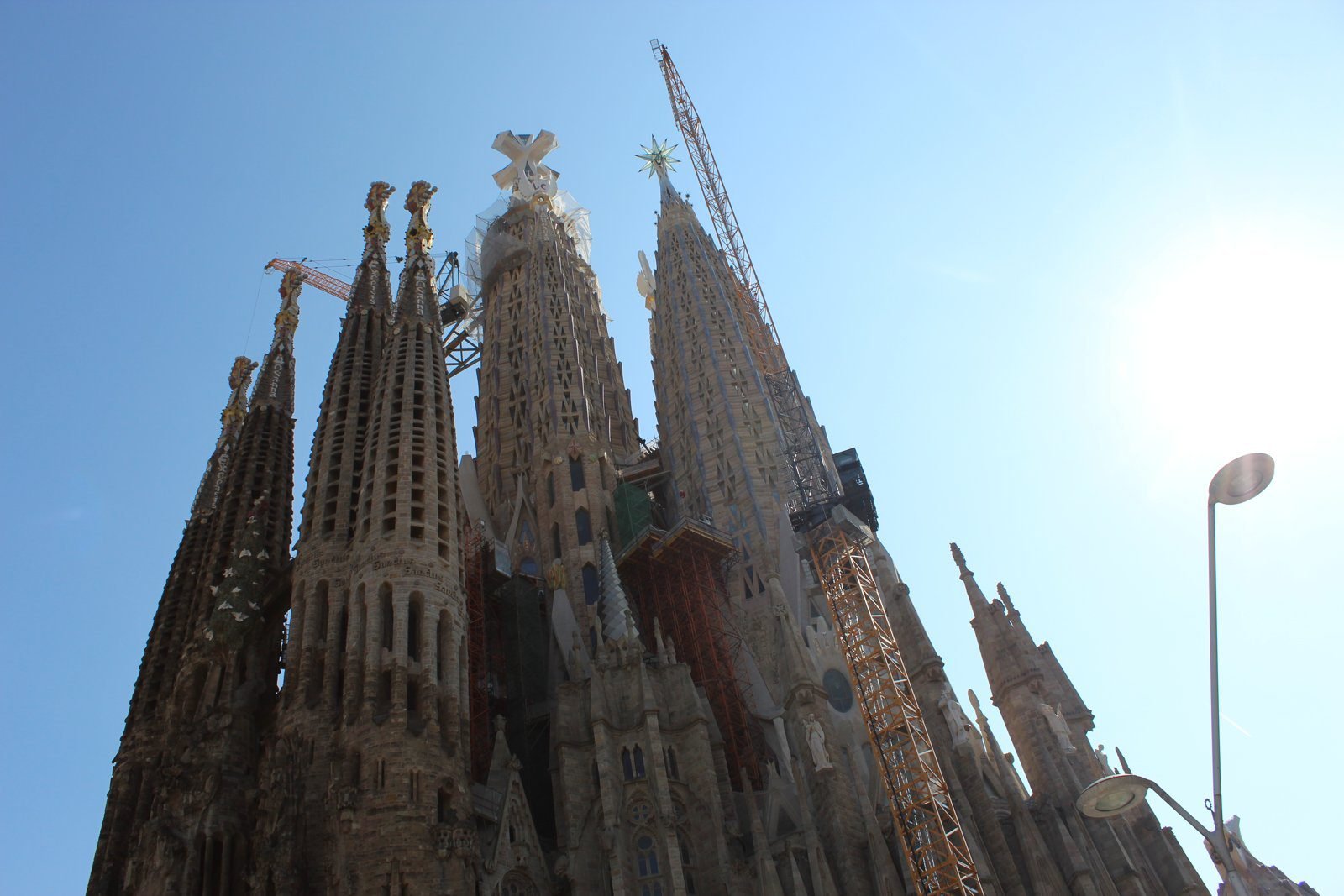
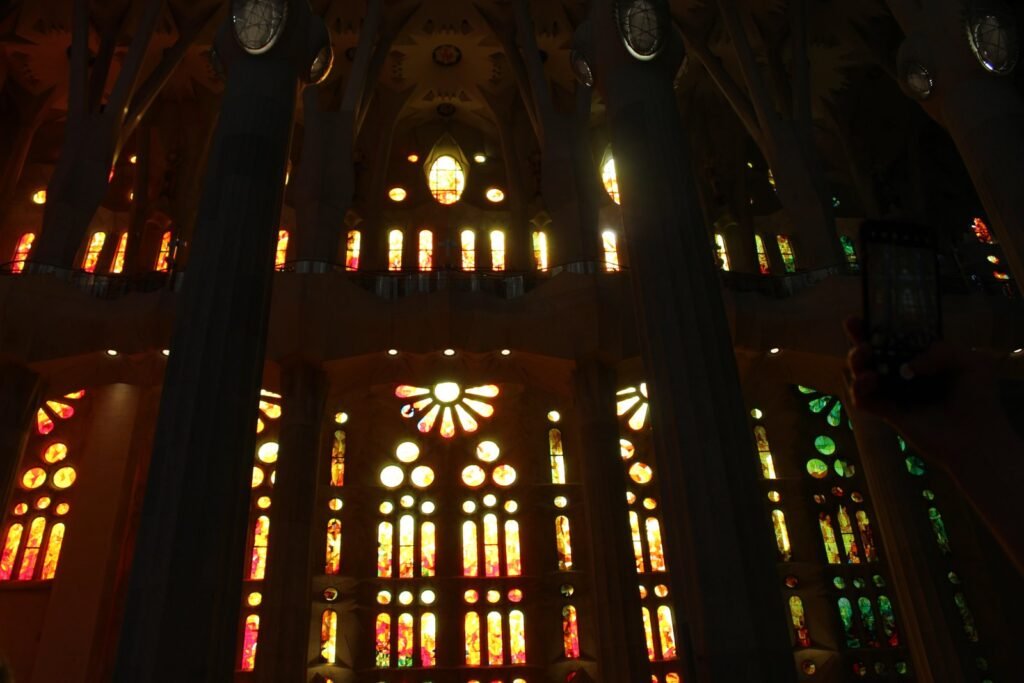
24 March: the Sagrada Família
The Sagrada Família, towers included. The architecture is as extraordinary as advertised.
11 April: Park Güell
Park Güell at 1 p.m., then a night at an airport hotel before flying to Rome on the 12th.
12–19 April: a week in Italy
The one side trip: Barcelona to Rome, then Florence, then north along the coast, flying back to Barcelona from Milan on the 19th.
What two months taught me
I thought I knew Barcelona. I’d been before, I speak Spanish, and my Cuban family gives me a relationship with Spain that’s complicated and affectionate in equal measure. I figured the language alone would make me feel less like a visitor. What I didn’t account for was Catalan. The menu is in Catalan, the signs are in Catalan, and the person helping you switches from Spanish to Catalan halfway through without noticing. There’s a particular kind of humility in being confident in one language and lost in another that sits six inches away from it.
I’m not a slow traveler by nature. I’m a planner — I want to know what we’re doing, when, and how long it takes to get there. Catalonia rewards that in the morning and then stops cooperating around 2 p.m. Lunch is an event. Dinner starts at nine at the earliest. My internal schedule, calibrated to American eating times and Florida daylight, took about three weeks to adjust. Once it did, I didn’t want to go back.
Training shaped all of it: the club schedule set the week, and Barcelona filled the days off.
Getting home: 26 April
I flew Barcelona to Miami on the afternoon of 26 April. I’m the same person I was before I arrived, but something in the pace recalibrated, and I’m still deciding how much of that Spanish afternoon to keep. I think I want to keep it.
Leave a Reply