
Travel Styles · City Breaks
Cities Worth
Every Long Weekend
Weekend escapes, long weekends, and the European city you’ve been meaning to visit for three years and just need the right guide to finally book.
About This Style
What Is City Breaks Travel?
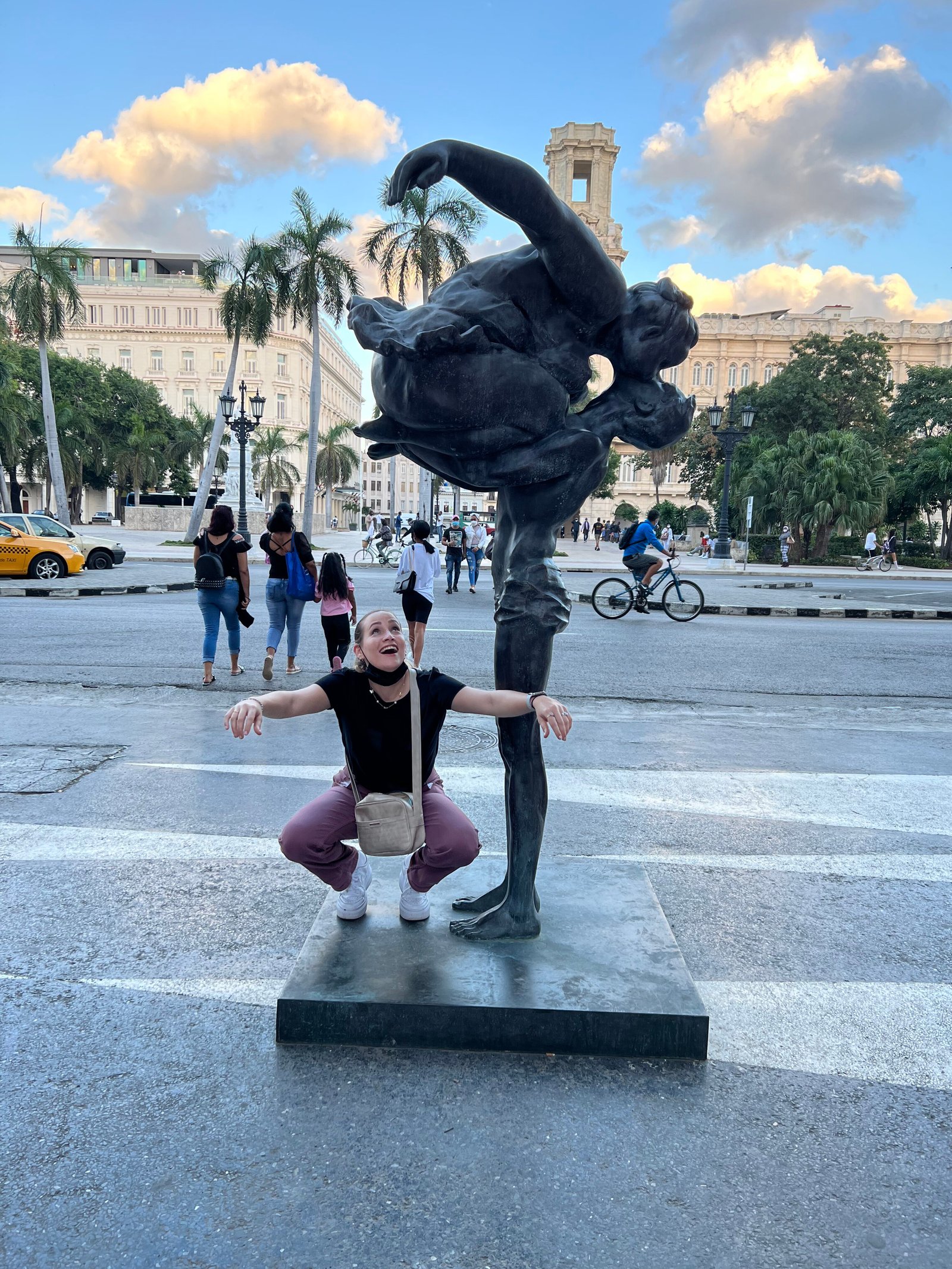
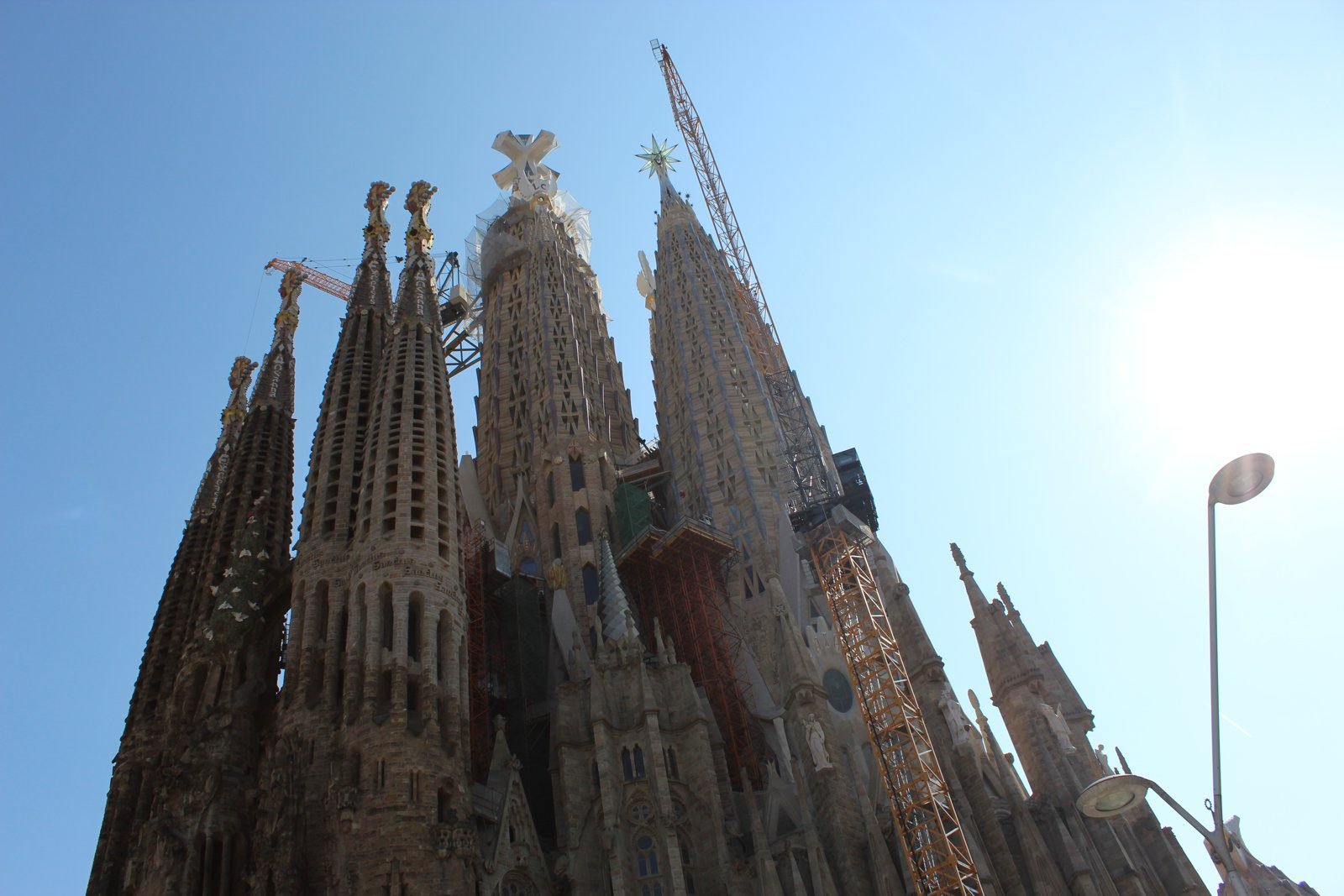
City travel is one of the blog’s strongest lanes: two months in Barcelona, five days in Havana, and short windows in Paris, Morocco, and San Juan around Team USA commitments. These guides are for people who need a realistic plan, honest priorities, and enough space to notice the city instead of racing through it.
This style is for you if…
You book long weekends like other people book full vacations. You’ve mastered the Thursday-to-Monday flight. You’ve spent two months in Barcelona and still want to go back.
City Breaks Guides
Guides for City Breaks Travelers
Start with Barcelona and Havana, then see how Paris, Morocco, and San Juan work when travel time is constrained by a real schedule.
Explore More Styles
Not Quite Your Style?
Discover all 10 travel styles — from luxury escapes to road trip adventures.
Making the Most of a City Break
A good city break starts with a decision most people skip: picking one neighborhood to actually get to know instead of trying to hit every landmark in the guidebook. Two or three days is not enough time to see all of Paris or Rome, and pretending otherwise just means you spend the whole trip on trains and buses instead of at cafes and museums. Choose a base, walk out from it, and let the rest of the city stay a mystery for next time.
Flights and trains are usually the easy part of a city break — the accommodation is where the trip either works or doesn’t. Staying somewhere central costs more per night but saves hours every single day, and on a 48 or 72 hour trip those hours matter more than they would on a two week holiday. A slightly smaller room five minutes from the main square is almost always the better trade than a bigger room forty minutes out.
Weekend city breaks reward loose planning rather than tight itineraries. Pick one or two must-see anchors for each day — a museum, a market, a specific viewpoint — and leave the rest of the time open for wandering, getting a little lost, and stopping wherever looks good. The best meals and the best photos on a city break usually come from the unplanned hour between two scheduled things, not from the scheduled things themselves.
Packing light matters more on a city break than almost any other kind of trip, since you’ll likely be on and off public transport, dragging a bag up to a fourth floor walkup, or storing luggage at a station between a morning arrival and an evening flight. A single carry-on and a day bag is usually enough for even a long weekend, and it makes the whole trip move faster.
Because city breaks are short, it’s worth building in one buffer activity that can be skipped without regret if the trip runs long or the weather turns. That way the schedule can flex without the whole day feeling like it fell apart. The goal of a city break isn’t to see everything — it’s to leave wanting to come back, which is usually a sign you picked the right amount to do.