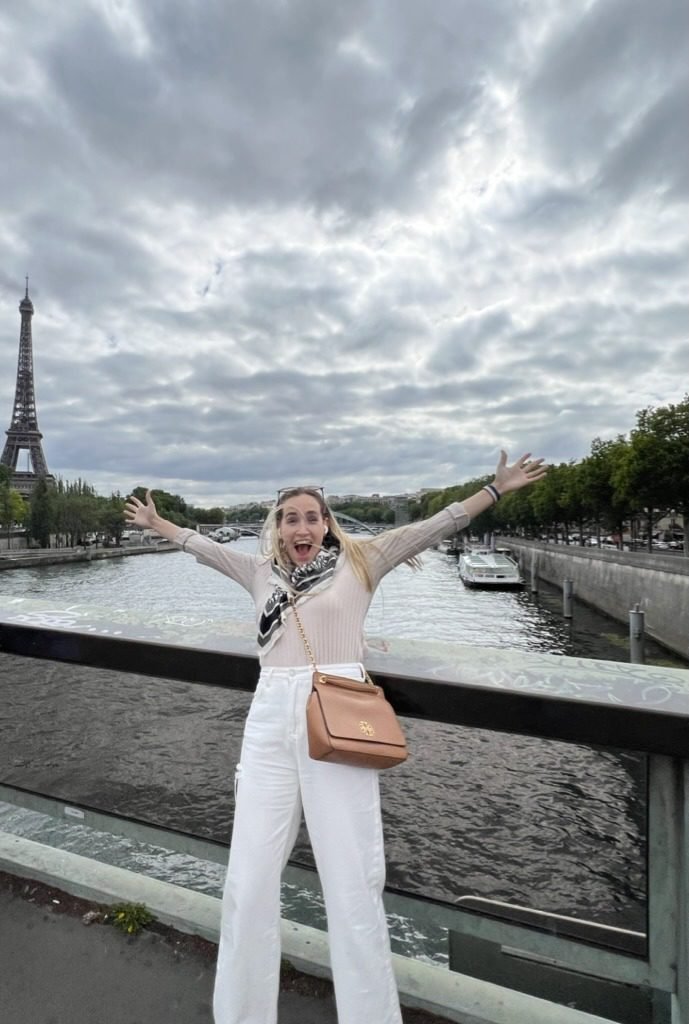
This is the second post in Where Team USA Handball Took Me, a series about what a country actually looks like when you’re there to compete, not vacation. The first covered a trip to Morocco; this one covers a training camp in Paris in November 2025.
Whatever the reason, a training camp runs on a different rhythm than a competition trip: no travel days between venues, no jet lag recovery built around a match clock, just the same building, morning to night, for the length of the camp.
France is one of the dominant forces in world handball, and Paris hosted Olympic handball in the 2024 Summer Games, which makes it a real, credible place for a national team to sharpen up against high-level competition and coaching.
That backdrop is part of why this entry is different from the Morocco post. A training camp doesn’t have the built-in landmarks of a match day — no opposing federation, no medal ceremony, just repetition. But the city was still there, in the margins, the whole time.
The Schedule, Honestly
A training camp is denser than a competition trip, not lighter. Double sessions are common: a morning block on the court, then weights or conditioning, then a second on-court session in the afternoon or evening, with film review layered in wherever it fits. Meals are timed around the sessions, not the other way around.
There’s no single dramatic constraint here the way a match schedule creates one. It’s more of a slow squeeze: each day looks survivable on its own, and then you look up and four days have passed and you’ve seen the inside of one building and the same few blocks between the hotel and the facility.
The Four to Six Hours I Actually Had
The free time on a training camp tends to land in the evenings, after the last session and film review, when everyone is tired but not yet asleep. It’s a different kind of free time than a competition trip – less adrenaline, more genuine exhaustion.
Paris makes this particular kind of constraint feel sharper than it might elsewhere, precisely because everyone watching from home assumes you’re out seeing the Eiffel Tower every night. You’re not. You’re doing recovery stretches in a hotel room and asleep by ten.
What Athletes See That Tourists Don’t
A training camp gives you a different kind of access than a competition trip. You’re not just passing through a facility for one walkthrough; you’re in it every day, long enough to know which court has better lighting, which locker room bench is yours, where the physio sets up. If the camp is hosted by or shared with a French club or federation, you get a real look at how another country’s program runs – their conditioning methods, their film review culture, the small habits that don’t make it into any scouting report.
You also eat differently. Team meals on a camp like this are usually catered or arranged in bulk by the staff around performance nutrition – recovery carbs after a hard session, protein timed around lifting, hydration tracked more closely than it ever would be on vacation. Whatever the food actually was, it was chosen for what the body needed that day, not for what sounded good.
One Thing Worth Returning For
Paris left me with a longer list than Morocco did, probably because the camp ran longer and the city kept showing up at the edges of it – in the view from a bus window, in a street name on a map I never had time to walk.
The Photographer’s Hour
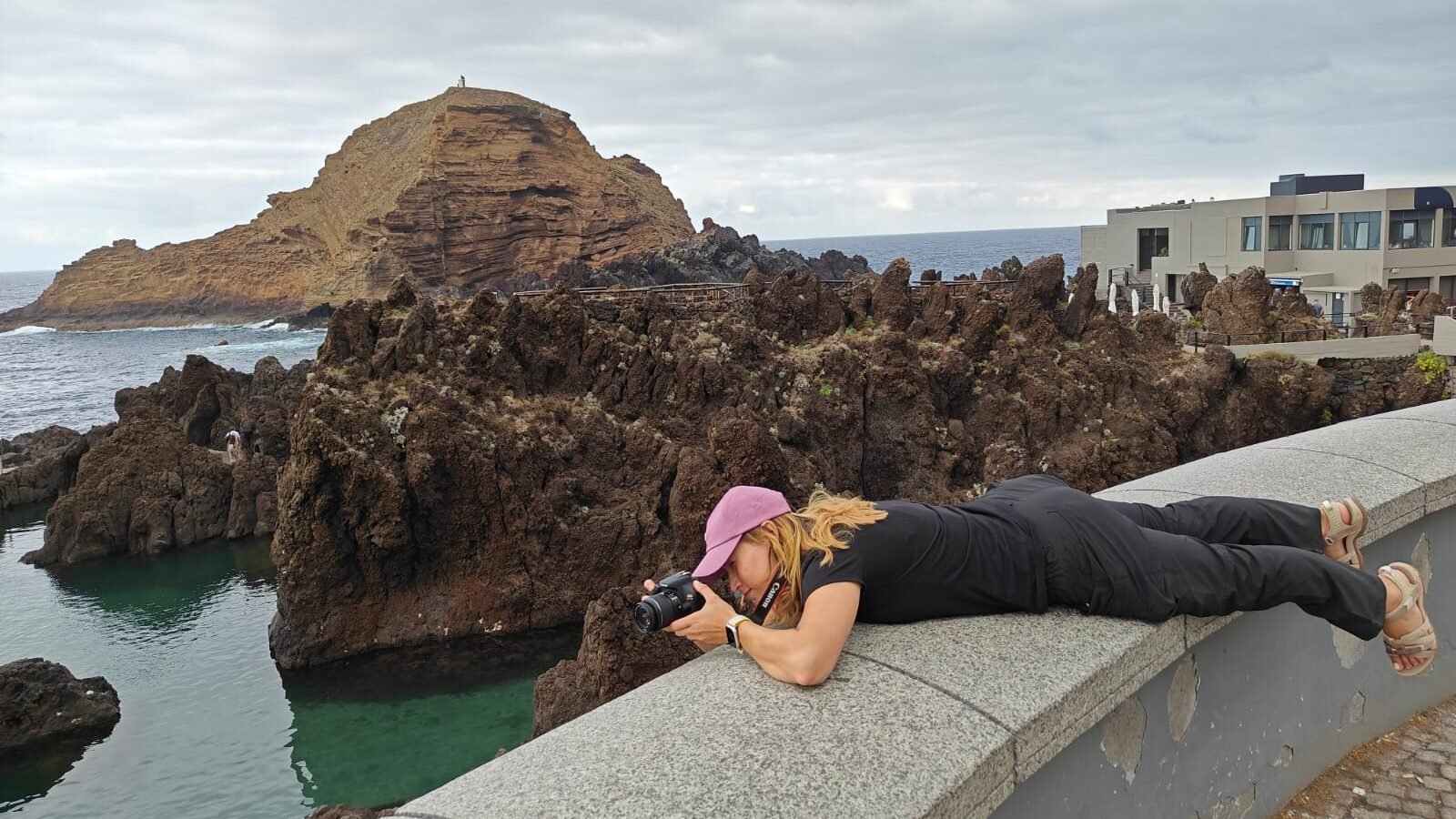
Training camps make the photographer’s hour harder to find than a competition trip does, because the days are longer and the light windows are narrower. There was still one moment where I had the camera out and nothing else on the clock.
On a camp like this, that hour matters more, not less, because it’s rarer. It’s the only proof, afterward, that you were somewhere and not just running the same drill on a loop.
More From This Series
This is the second entry in Where Team USA Handball Took Me, after Morocco and before San Juan. For the fuller picture of how I ended up building trips around a national team schedule in the first place, that’s on my about page. And if Paris is on your own list, I’m building out a proper destination guide for it here — check back as it fills in.


Leave a Reply