DESTINATIONS
CENTRAL AMERICA & CARIBBEAN
Central America & Caribbean · COUNTRY FIELD NOTE
Costa Rica
Photography-led planning, firsthand perspective, and the details that make a place feel specific.
Find your season
Temperatures in Costa Rica
Monthly averages for San José. A starting point for planning your trip.
Coolest monthDecember · 22°C
Warmest monthApril · 25°C
A local reference, not a country-wide average or a forecast. Coasts, mountains, and other regions can have very different conditions.
NASA POWER / MERRA-2 · 2001–2020 · 20-year monthly means. Colors indicate temperature, not a best-time-to-visit rating.
Traveling Costa Rica
Costa Rica is still on my list of places I’m building out full guides for, but I wanted the essentials up here for anyone planning a trip in the meantime. It’s one of the most biodiverse countries on the planet packed into a surprisingly small footprint, which means you can go from cloud forest to volcano to beach in the same week without spending your whole trip in transit.
A few practical things to know about Costa Rica: the currency is the colón, though US dollars are widely accepted, especially in tourist areas (just expect change in colones). Tap water is safe to drink in most of the country, which isn’t a given elsewhere in Central America. Costa Rica doesn’t have a standing military and has a strong culture around “pura vida” — expect a slower, more relaxed pace than a typical US vacation. That relaxed rhythm tends to rub off on visitors within a day or two.
Weather runs on two seasons rather than four: dry season (roughly December through April) and green season (May through November), when afternoon rain is common but rarely disruptive for a whole day. Roads outside major towns can be rough, so a 4×4 rental is worth the extra cost if you’re planning to visit more remote areas like the Osa Peninsula or Monteverde. Check the U.S. State Department’s Costa Rica travel page for current entry requirements before you book.
Costa Rica rewards planning around a few key regions rather than trying to see it all. Arenal Volcano and its hot springs are an easy add-on for anyone flying into San José, Manuel Antonio combines beach and rainforest in one compact national park, and Monteverde’s cloud forest and hanging bridges are worth the winding drive up. Wildlife spotting is genuinely easy here — sloths, toucans, and howler monkeys show up even in fairly developed areas, not just deep in the jungle.
Getting around Costa Rica usually means renting a car if you want flexibility, since public buses connect major towns but run infrequently to more remote lodges and beaches. Domestic flights are also common for longer distances, like getting to the Osa Peninsula, and can save hours compared to driving. Either way, build extra time into transfers — distances that look short on a map often take longer than expected on winding mountain roads.
Pack for both rain and sun in Costa Rica no matter when you visit — a light rain jacket, quick-dry clothing, and sturdy shoes for uneven trails cover most situations. Tipping isn’t as deeply ingrained as in the US, since a 10% service charge is usually already added to restaurant bills, though rounding up for good service is always appreciated.
We’ll be adding proper trip guides and stories from Costa Rica as they happen — for now, keep an eye on this page, and let us know in the comments if there’s a specific region, like the Nicoya Peninsula or Arenal, you’d like us to prioritize.
Local Guides
Guides & Stories
Everything we’ve published about this destination, updated as new stories go live.
New stories for this destination are on the way — check back soon, or explore our latest itineraries in the meantime.
More to Explore
More Travel Inspiration
Fresh from the blog — recent stories and guides from around the world.

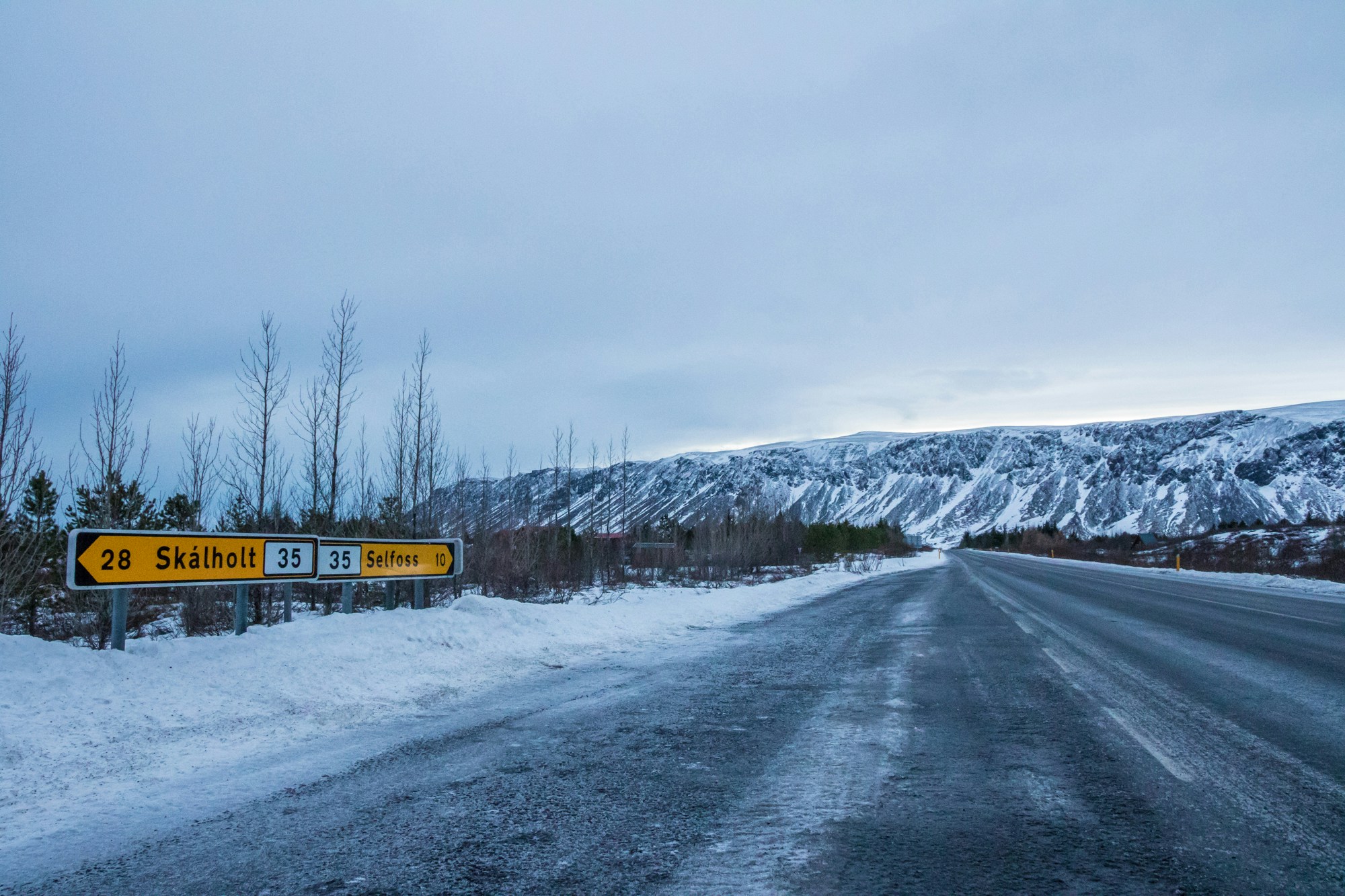
Iceland Field Notes: Five Days Around Reykjavík, June 2023

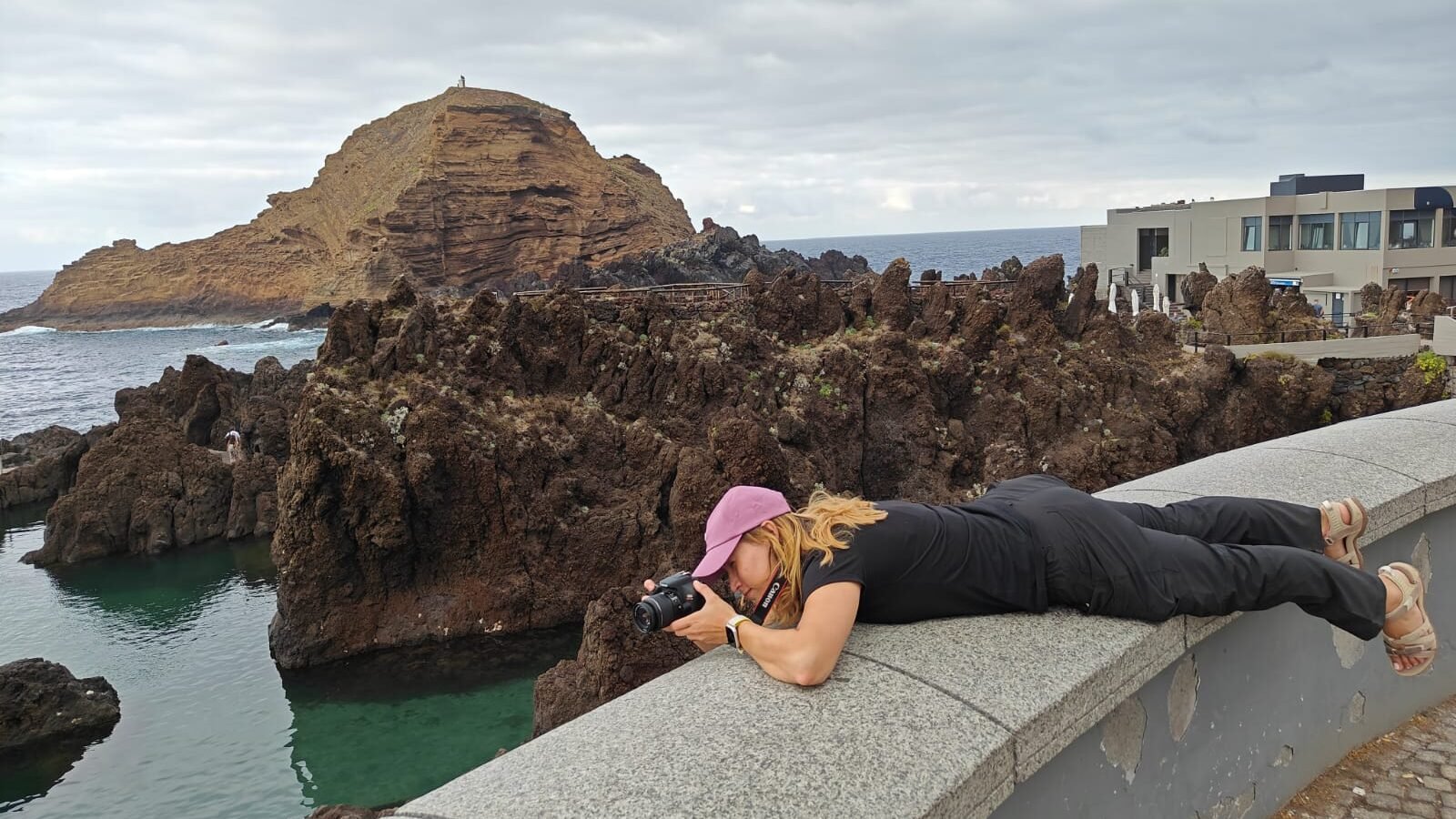
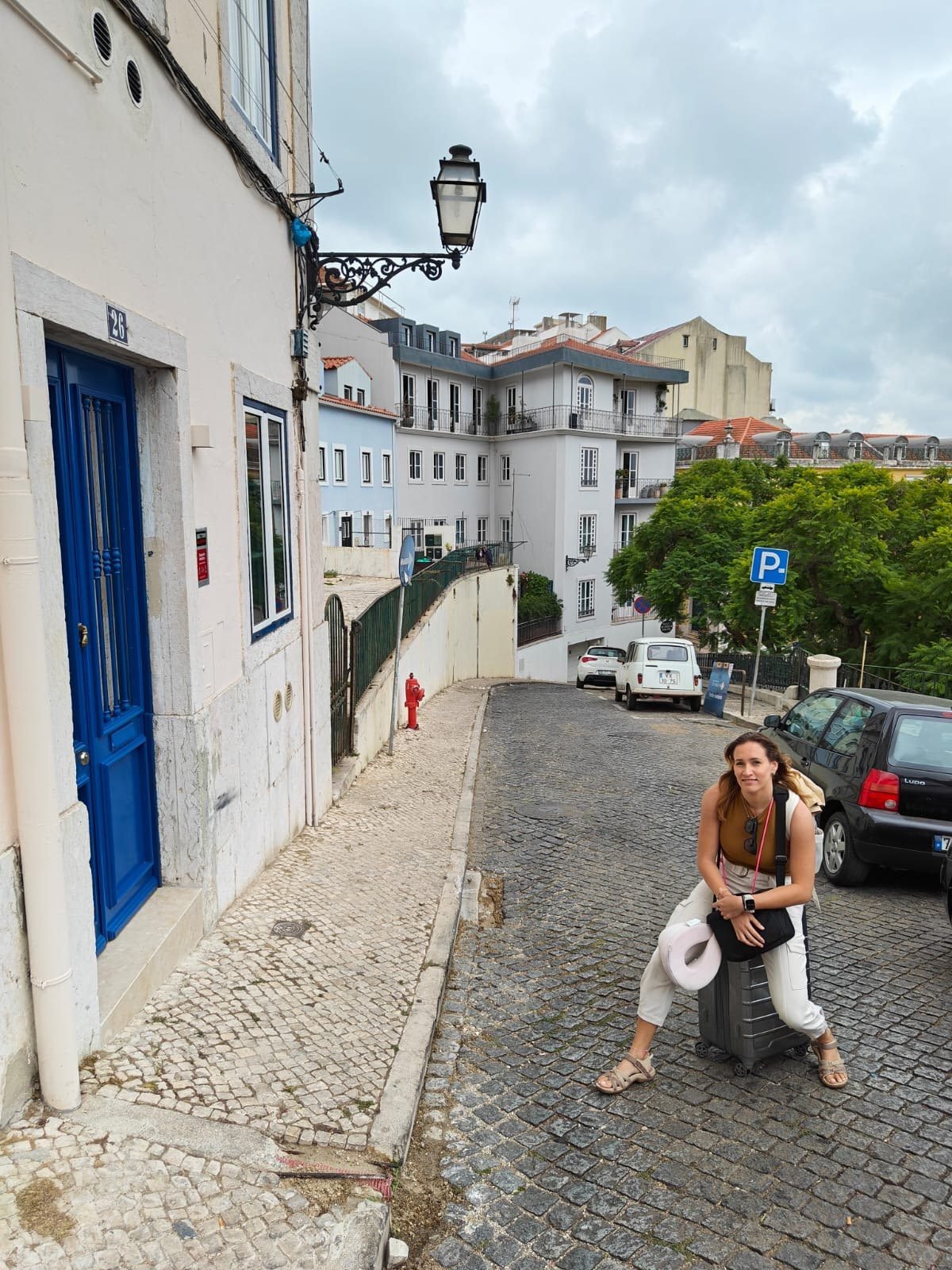
Portugal Field Notes: Madeira, Porto and Lisbon in September 2024

Travel Budget Guides: Real Cost Breakdowns
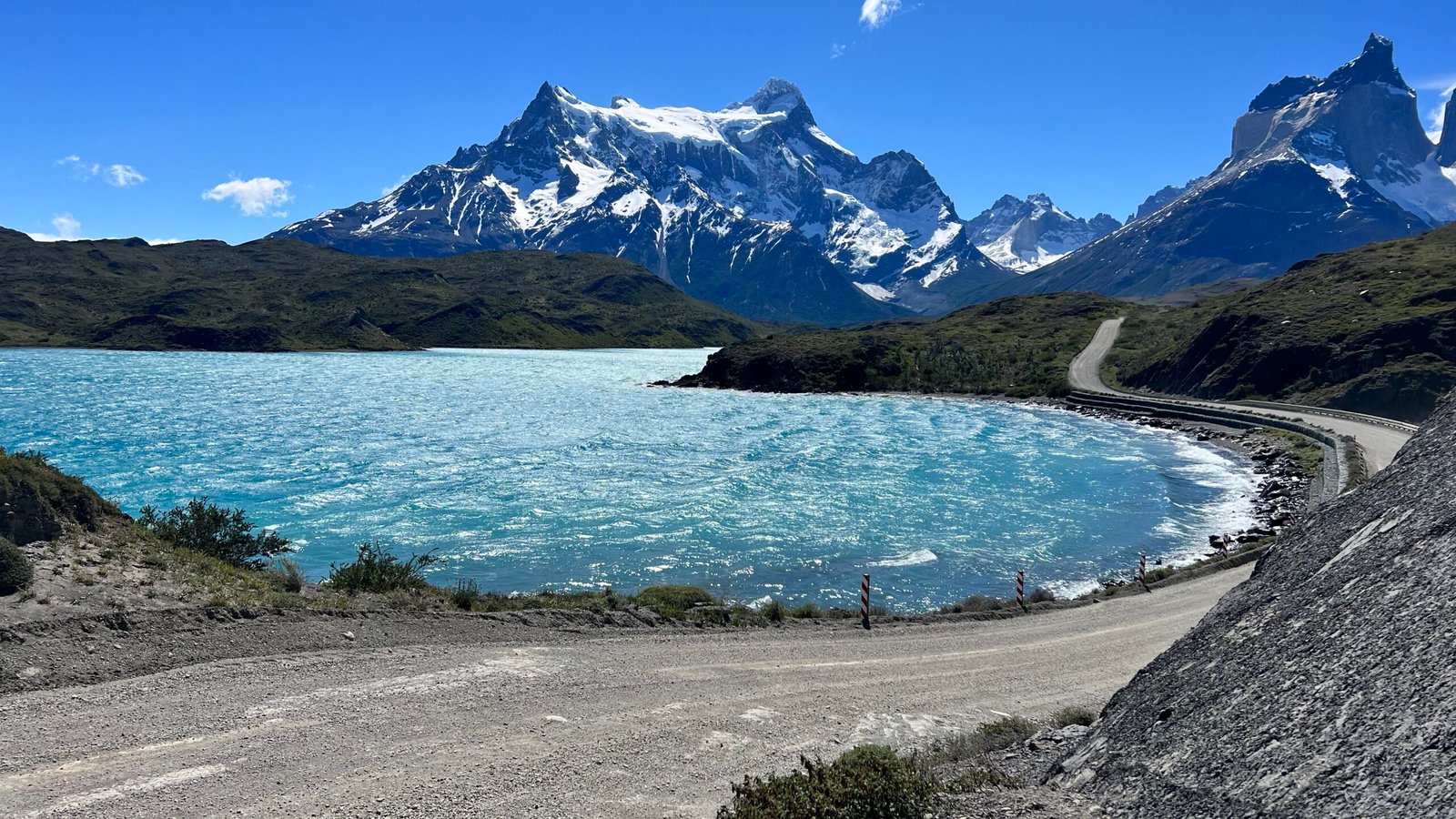
Real, destination-by-destination cost breakdowns — starting with the Patagonia W Trek — with unconfirmed figures clearly marked rather than guessed…

How I Pack: A Carry-On System That Works for Any Trip
The general packing philosophy behind every destination-specific list on this site — carry-on only, layered for real weather, and sorted…

Marrakech Field Notes: Three Days in the Red City, November 2025
Nuuk Field Notes: Playing the NACHC Women’s Championship in Greenland, June 2023