
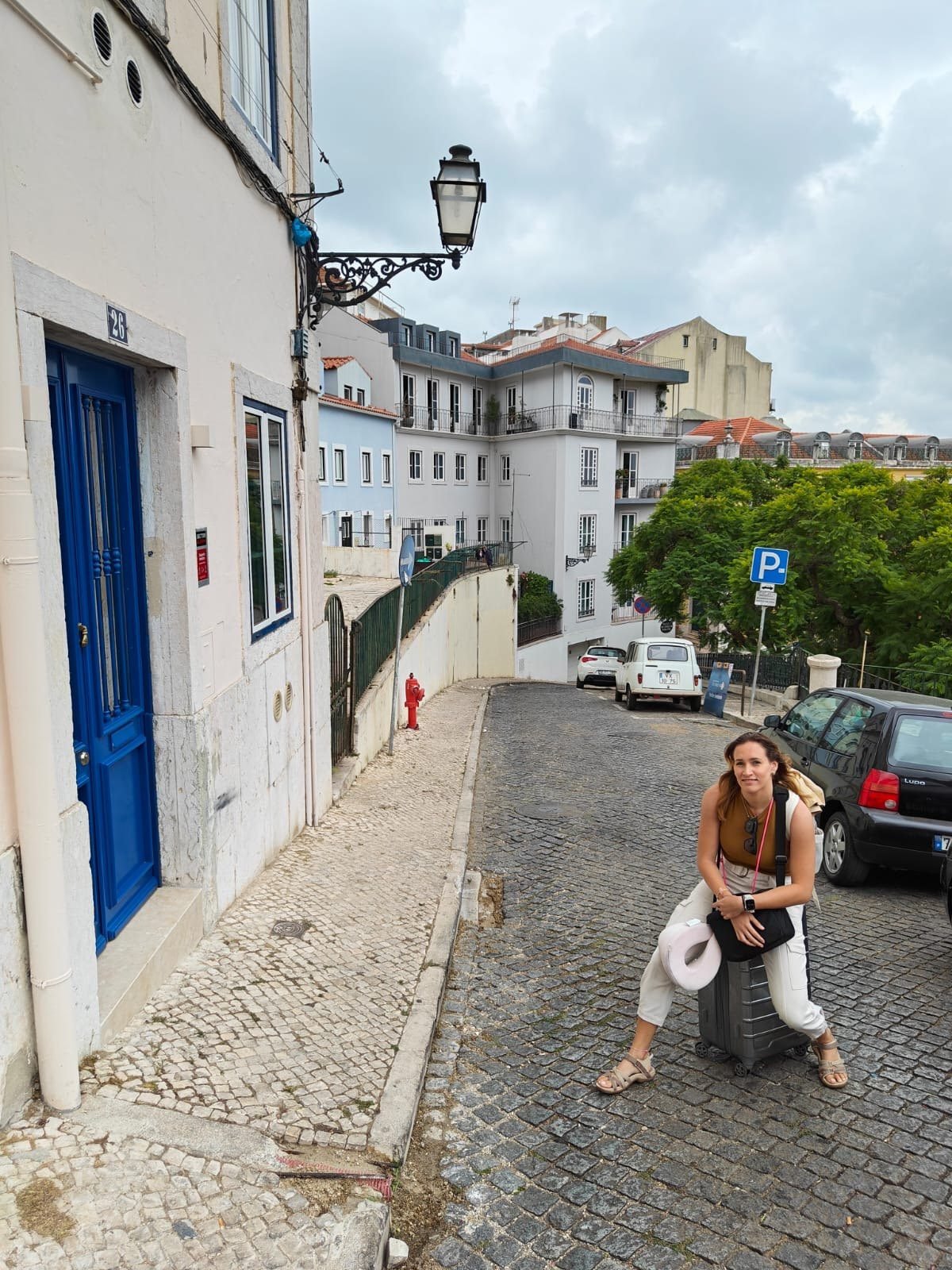
This is my carry-on packing system, and it hasn’t changed much in years. I don’t pack the same way for every trip, but the underlying system is the same one behind every destination list on this site: pack for the trip you’re actually taking, from real experience, not a generic list.
Carry-On Only, By Default for My Carry-On Packing System
My starting point for most trips is a single carry-on pack. It forces decisions early instead of at the airport, and it’s the same discipline behind the Patagonia W Trek Packing List — 5 days, 1 carry-on pack, nothing that slows you down.
Layer for the Weather You’ll Actually Get
For trips where the weather can shift in a single afternoon — wind, rain, and sun back to back, the way it does in Patagonia — I build a layered system rather than one heavy jacket: a moisture-wicking base layer, a warm mid layer I can add or strip depending on the hour, and a waterproof, windproof shell that goes on over everything else no matter what changes.
Buy There vs. Bring From Home
Some things are worth carrying from home; others are cheaper, lighter, or just as easy to buy at your destination. For the W Trek that meant a real list of what to buy in Puerto Natales versus what to bring from home — I use the same buy-there-or-bring-it question for every trip, even if the specific answers change by destination.
Sort by Function, Not by Guesswork
For road trips, I split gear into four groups — documents and paperwork, roadside/emergency items, comfort items, and phone or navigation backups — built from actual road trips rather than a generic packing list. I use the same sort-by-function approach (documents, safety, comfort, backups) as a starting checklist structure for any trip type.
The One Item Most People Forget
Every destination list I write includes one item that’s easy to skip and turns a bad day manageable — for the W Trek it’s called out specifically in the packing list. Across trip types, the one that comes up most is a small portable charger: it’s the difference between a dead phone at the exact moment you need a map, a boarding pass, or a photo, and not.
Common Packing Principles Worth Knowing
Beyond any one traveler’s personal system, a few packing habits come up again and again across experienced travelers and travel writers generally: building a capsule wardrobe around two or three coordinating colors so every piece mixes and matches, using packing cubes to compress and separate categories of clothing, rolling rather than folding soft items to save space and cut down on wrinkles, and sticking to the standard carry-on liquids rule (containers of 100ml/3.4oz or less, all fitting in one quart-size bag) to avoid checkpoint surprises. Doing a load of laundry partway through a trip is almost always lighter than packing for every single day up front, and weighing a bag on a home scale before leaving avoids repacking at the gate.
See It Applied
For the full destination-specific version of this system, see the Patagonia W Trek Packing List and the Road Trip Glovebox Checklist. This same carry-on packing system has held up across trail towns, capital cities, and everything in between, which is exactly why I keep coming back to it instead of rebuilding a list from zero before every trip. If you’re putting together your own version, start with the layers and the sort-by-function habit, then adjust the destination-specific pieces last. Over time, the small adjustments matter more than the gear itself, since a carry-on packing system only works if it is simple enough to repeat without a checklist every single time.

Leave a Reply