DESTINATIONS
EUROPE
Europe · COUNTRY FIELD NOTE
Italy
Photography-led planning, firsthand perspective, and the details that make a place feel specific.
Find your season
Temperatures in Italy
Monthly averages for Rome. A starting point for planning your trip.
Coolest monthJanuary · 7°C
Warmest monthAugust · 26°C
A local reference, not a country-wide average or a forecast. Coasts, mountains, and other regions can have very different conditions.
NASA POWER / MERRA-2 · 2001–2020 · 20-year monthly means. Colors indicate temperature, not a best-time-to-visit rating.
Traveling Italy
Italy is still on my list of places I’m building out full guides for, but I wanted the essentials up here for anyone planning a trip in the meantime. It’s a country where you could spend a lifetime and still not see everything — Rome’s layered history, Tuscany’s countryside, the Amalfi Coast’s cliffside towns, and Venice’s canals all feel like different worlds despite being just hours apart by train. Even a short trip is enough to understand why people fall in love with it.
A few practical notes on Italy: the currency is the euro, and most restaurants add a small cover charge (coperto) to the bill, which is normal and not a scam. Meals run on a different schedule than in the US — lunch typically starts around 1pm and dinner rarely before 7:30 or 8pm, and many smaller shops close for a few hours in the early afternoon, especially outside major cities. It’s a small adjustment that takes a day or two to settle into, but makes the whole trip feel more relaxed once you do.
Italy’s train network is excellent and usually the easiest way to get between major cities like Rome, Florence, and Milan — often faster and less stressful than flying once you factor in airport time. If you’re heading into the countryside, like Tuscany or Umbria, a rental car makes more sense since small towns are often poorly served by rail. Check the U.S. State Department’s Italy travel page for current entry requirements before you book.
Italy rewards slowing down more than almost anywhere else I’ve traveled. Rome alone deserves several days between the Colosseum, Vatican, and just wandering neighborhoods like Trastevere, while a week split between Florence and the Tuscan countryside gives you both art and rolling vineyard views. The Amalfi Coast and Cinque Terre are stunning but crowded in peak summer, so shoulder season (May, June, or September) is worth considering if your schedule allows it.
Food in Italy varies significantly by region, and it’s worth researching what each area is actually known for rather than ordering the same dishes everywhere — pasta styles, cheeses, and even coffee customs shift as you move between regions. Reservations for popular restaurants, especially in Rome and Florence, are worth making in advance during busy months, since walk-in wait times can eat into your evening.
Packing for Italy depends heavily on when and where you’re going — summers in the south can be intensely hot, while northern regions and mountain areas stay cooler year-round. Comfortable walking shoes are non-negotiable given how much of Italy is best explored on foot over cobblestones, and modest clothing (covered shoulders and knees) is required to enter most churches, including major sites like St. Peter’s Basilica.
We’ll be adding proper trip guides and stories from Italy as they happen — for now, keep an eye on this page, and let us know in the comments if there’s a specific region, like the Dolomites or Sicily, you’d like us to cover first.
Local Guides
Guides & Stories
Everything we’ve published about this destination, updated as new stories go live.
New stories for this destination are on the way — check back soon, or explore our latest itineraries in the meantime.
More to Explore
More Travel Inspiration
Fresh from the blog — recent stories and guides from around the world.

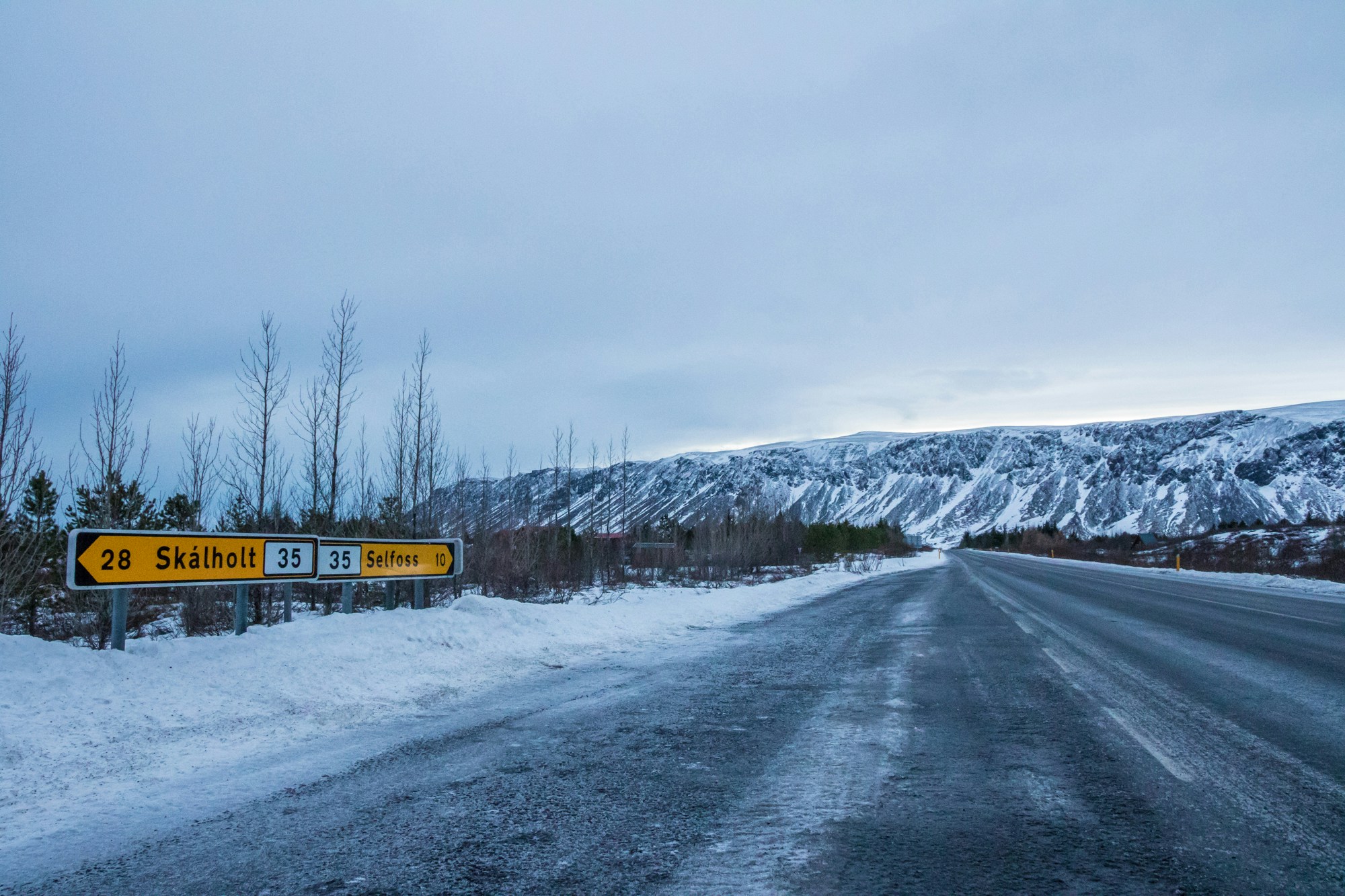
Iceland Field Notes: Five Days Around Reykjavík, June 2023

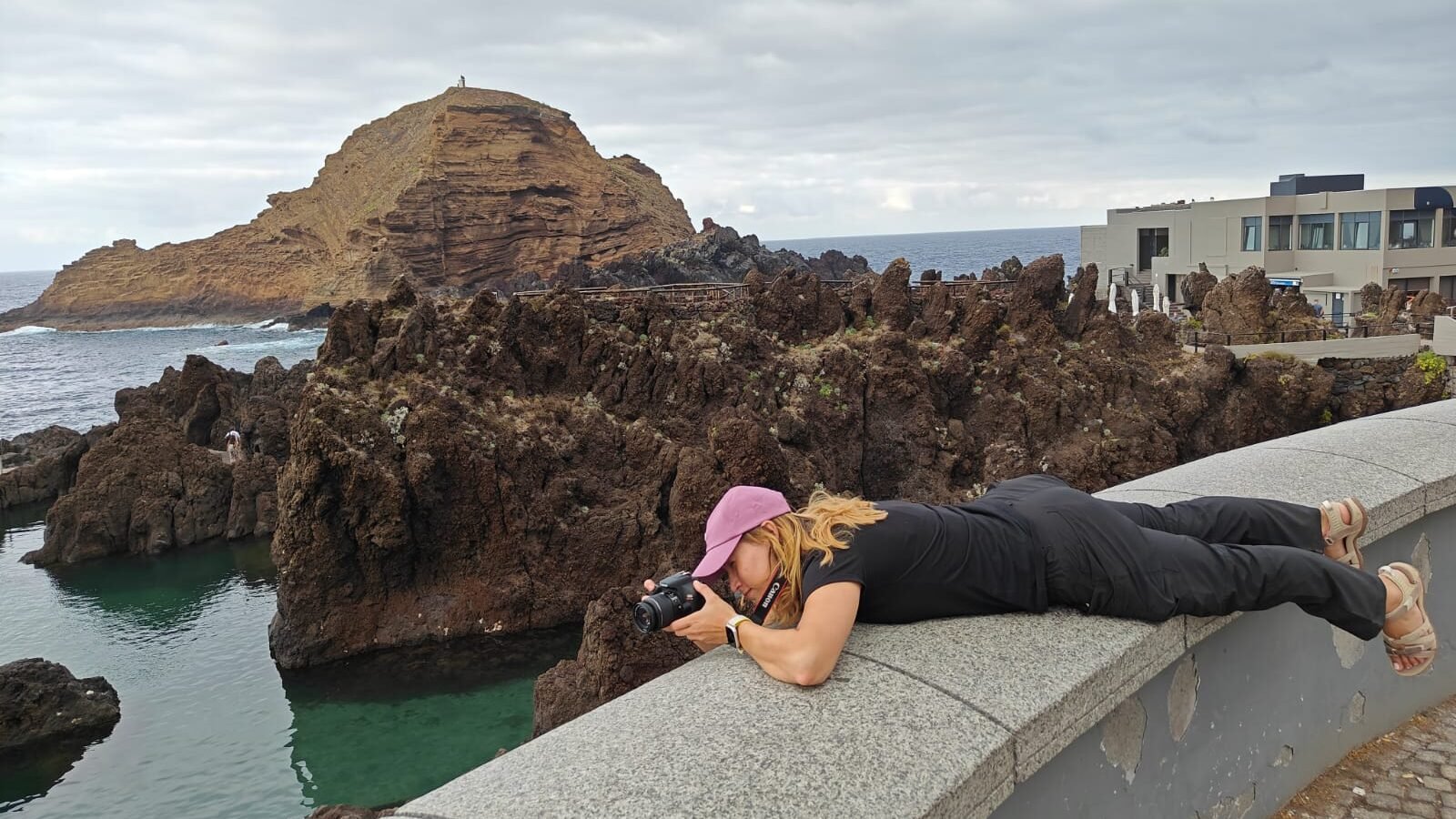
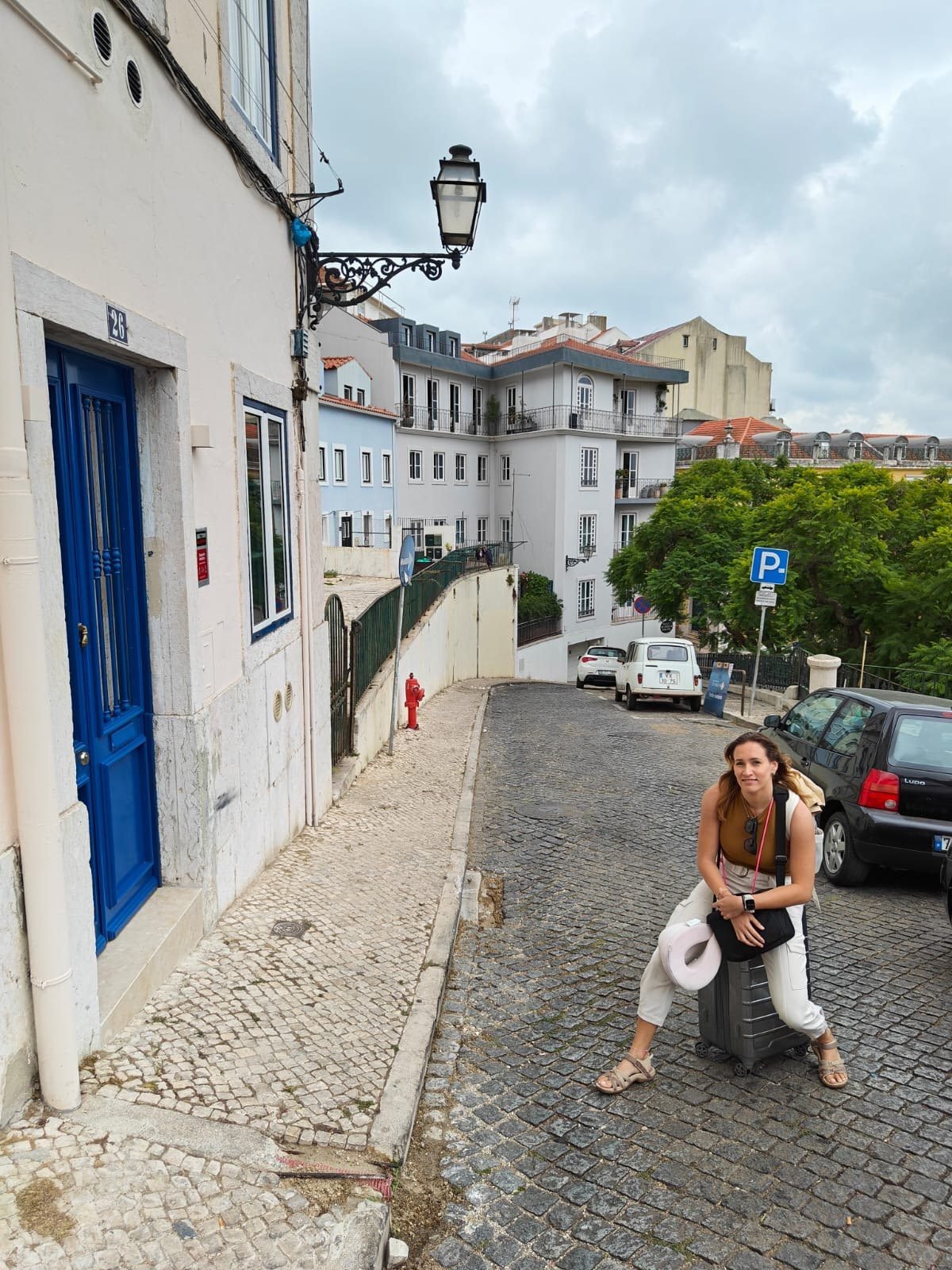
Portugal Field Notes: Madeira, Porto and Lisbon in September 2024

Travel Budget Guides: Real Cost Breakdowns
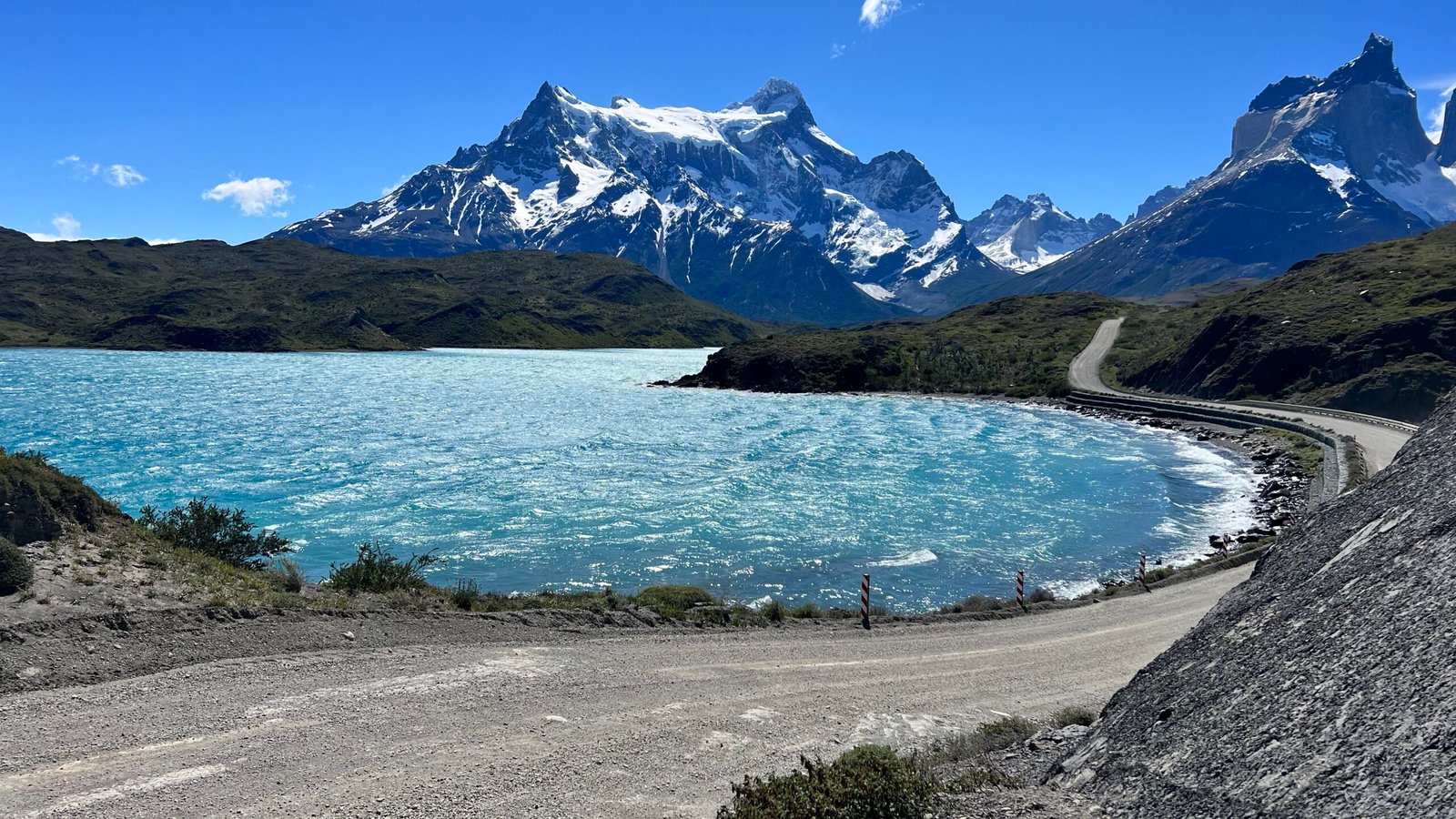
Real, destination-by-destination cost breakdowns — starting with the Patagonia W Trek — with unconfirmed figures clearly marked rather than guessed…

How I Pack: A Carry-On System That Works for Any Trip
The general packing philosophy behind every destination-specific list on this site — carry-on only, layered for real weather, and sorted…

Marrakech Field Notes: Three Days in the Red City, November 2025
Nuuk Field Notes: Playing the NACHC Women’s Championship in Greenland, June 2023