
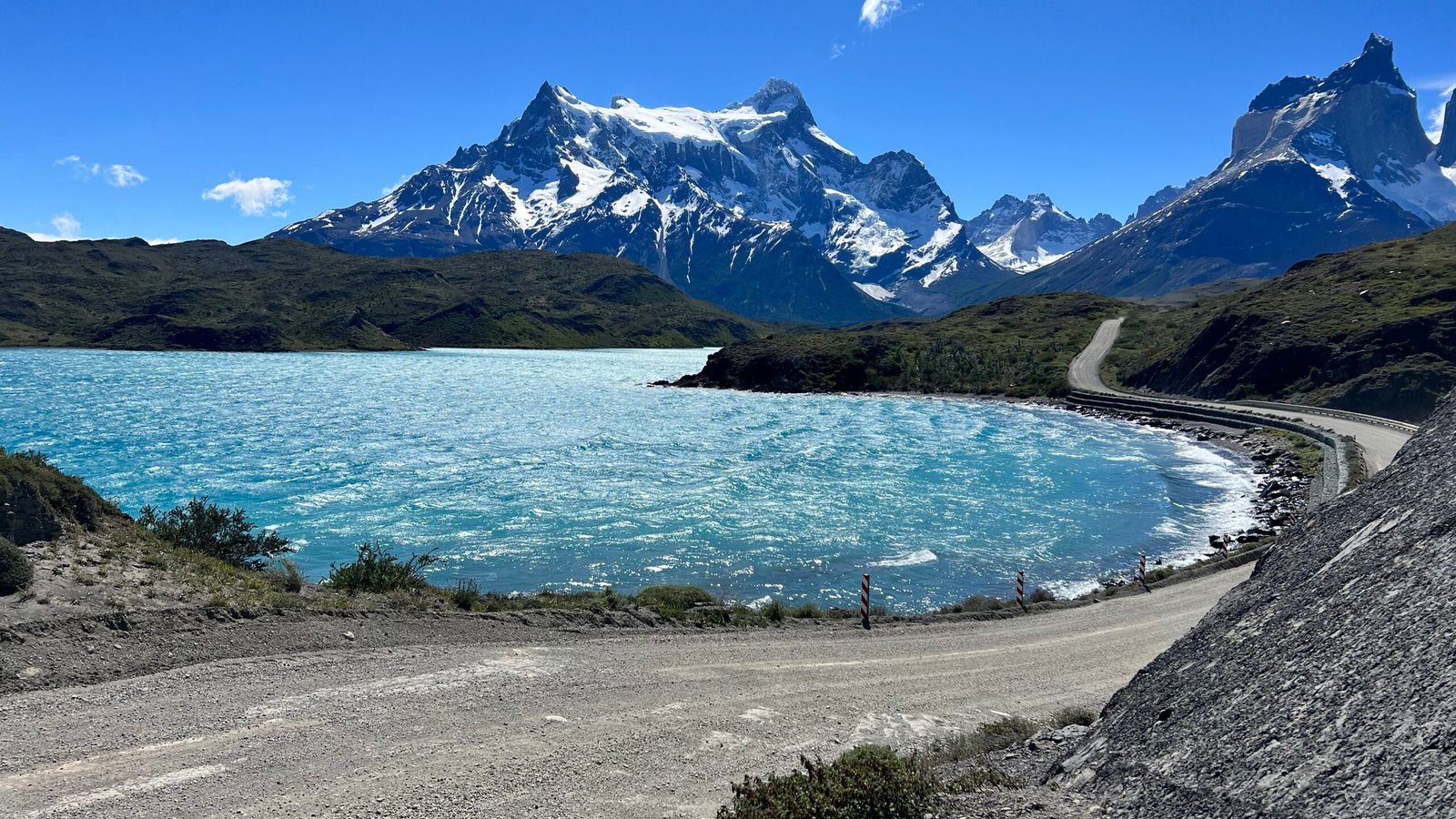
This is a real travel budget series — destination-by-destination cost breakdowns for the trips I actually take. Every figure is labeled as one of two things: what I actually paid (with the trip date), or a current published price from the park or operator, with the date I checked it. Prices are per person unless noted and shown in the currency the source publishes; they shift by season, group size, and how far ahead you book, and I update them as I re-check.
Patagonia: The W Trek (Torres del Paine, November)
My own trip: Patagonia field notes, November 2023.
Current published prices for the 2026–27 season, checked 29 September 2026. Historical spend from my own trip is added only once it’s matched to a receipt.
| Item | Current estimate | Source & date | Includes |
|---|---|---|---|
| Park entry, foreign adult, 2+ days | CLP 48,500 (single-day pass: CLP 32,400) | CONAF — Tarifas y horarios 2026; tariff in force since 1 May 2026; checked 29 Sep 2026 | Continuous stay of up to 10 days; buy online at pasesparques.cl before arrival |
| Lago Pehoé catamaran (Pudeto ↔ Paine Grande) | CLP 28,000 / USD 31 per segment | Catamarán Lago Pehoé (Hielos Patagónicos) — prices & schedules 2026–27; checked 29 Sep 2026 | 1 person + 1 bag up to 60 L; one direction (a round trip is two segments) |
| Bus Punta Arenas → Puerto Natales | From CLP 11,000 one way | Bus-Sur — route details; checked 29 Sep 2026 | One seat, one way; about 3 h 15 min |
| Campsite, own tent (Central, Las Torres) | USD 50 per person per night (2 in one tent); USD 90 solo — Nov 2026 to Mar 2027 | Las Torres Patagonia — Central Camp; checked 29 Sep 2026 | Tent pitch only; meals extra |
| Refugio bed (Central, Las Torres) | From USD 230 per person per night — Nov 2026 to Mar 2027 | Las Torres Patagonia — Central Mountain Stay; checked 29 Sep 2026 | Bed in a 6-bed shared dorm; full board is +USD 140 per person per day |
| Grey III boat, Lago Grey (adult) | USD 141 round trip; USD 129 one way — valid 1 Oct 2026 to 30 Apr 2027 | Vertice Travel — Grey III Navigation; checked 29 Sep 2026 | Boat navigation to Grey Glacier, about 3 h |
What my November 2023 trip likely cost (estimates)
These are educated estimates, not receipts. They’re built from the rates I was quoted and from published prices, and I’ll replace them with actual amounts as I match my receipts. The one confirmed amount so far: my Punta Arenas → Santiago flight on Sky Airline cost USD 247.08, paid 9 October 2023.
| Item (Nov 2023 trip) | Estimated cost | Basis & date | Includes |
|---|---|---|---|
| Flight Miami → Santiago → Puerto Natales (LATAM, one way, 3–4 Nov 2023) | ≈ USD 450–650 per person | Estimate from current Miami–Puerto Natales round-trip fares of USD 806–992 on Skyscanner (checked 29 Sep 2026), scaled to one way | Economy seat; bags not confirmed |
| Rental car, Puerto Natales (SUV, 4–10 Nov 2023) | ≈ CLP 540,000 per car (6 days × CLP 90,000) | Rental company’s quoted daily rate, email of 4 Oct 2023 | Vehicle only; insurance, fuel and deposit not confirmed; split across travelers |
| Park entry, foreign adult (multi-day) | ≈ CLP 35,000–45,000 per person | Bracketed by the 2024/25 multi-day fee of CLP 44,500 (Stingy Nomads) and today’s CLP 48,500 (CONAF); checked 29 Sep 2026 | Park access only |
| Hotel near the park, 5 nights (Río Serrano, 5–10 Nov 2023) | ≈ USD 1,150–2,500 per room for 5 nights | Published nightly rates from USD 231, typically USD 289–506 (KAYAK, checked 29 Sep 2026) | Room; breakfast typically included; other meals not confirmed |
| Guesthouse, Punta Arenas, 2 nights (10–12 Nov 2023) | ≈ USD 190–250 per room for 2 nights | Listed from USD 96/night (Travelated, checked 29 Sep 2026) | Room only |
For when refugios and campsites open for booking, see the full Torres del Paine booking timeline.
General Budgeting Principles Worth Knowing
Beyond destination-specific numbers, a few budgeting habits show up across most experienced travelers regardless of trip type: track spending in a handful of categories (accommodation, food, transport, activities/entrance fees, and gear), rather than one lump sum, so it’s clear afterward where the money actually went. Build in a contingency buffer on top of the planned total for the inevitable extra bus fare, forgotten item, or weather delay. Separate the costs paid before the trip (flights, permits, prebooked lodging) from on-the-ground daily spend, since the two behave very differently when comparing trips. And when traveling internationally, factor in card foreign-transaction fees and ATM withdrawal fees, which can quietly add up if not checked in advance.
More Destinations Coming
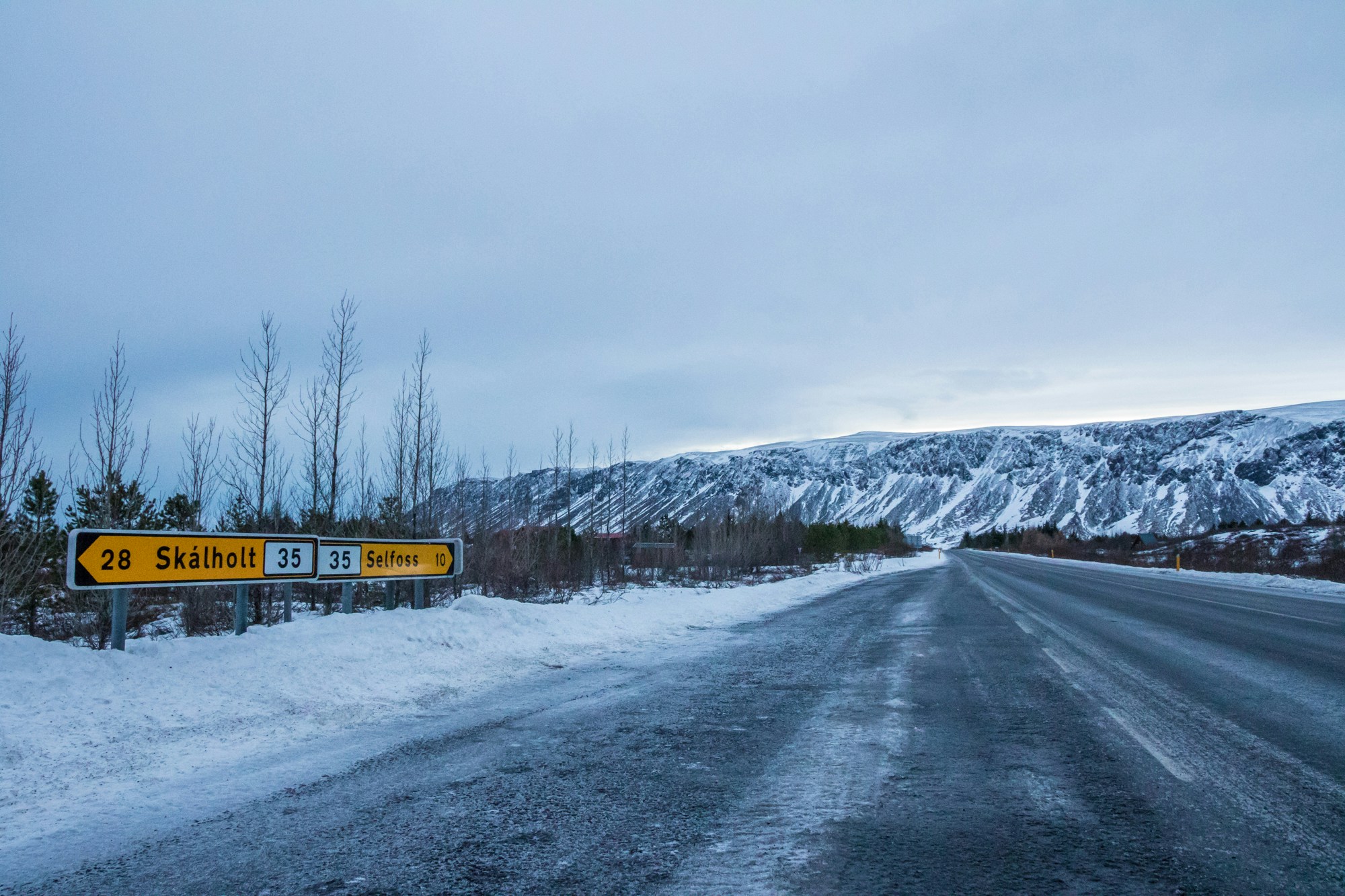
More destinations get added to this series as real numbers come together — Iceland’s Ring Road and Marrakech are next in line.
Leave a Reply