Exploring Georgia
We haven’t logged a full Team USA trip built specifically around Georgia yet, but we wanted this page live with genuinely useful information while our destination guides are still in progress. Georgia pairs a major international city in Atlanta with a very different pace once you head toward the coast or the mountains in the north. It’s a state that works well for both a quick city weekend and a longer, slower road trip. Deciding how much time to split between the city and the rest of the state is the biggest planning decision you’ll make.
Georgia uses the US dollar, and cards are accepted virtually everywhere, including public transit in Atlanta. Atlanta’s MARTA system covers the city reasonably well, but a car is still useful if you plan to explore the mountains, the coast, or smaller towns in between. Tipping follows standard US norms, around 18-20% at restaurants. Sales tax varies by county but generally falls around 7-8%, which is worth keeping in mind when budgeting. Renting a car is worth it even for an Atlanta-based trip if you want the flexibility to take day trips outside the city.
Atlanta is the state’s anchor, with a strong food scene, major civil rights history sites, and Hartsfield-Jackson, one of the busiest airports in the world, making it an easy connection point for a longer trip. Savannah, on the coast, offers a beautifully preserved historic district with oak-lined squares and a slower, more atmospheric pace than Atlanta. In the north, the Blue Ridge Mountains around towns like Blue Ridge and Helen offer hiking, waterfalls, and fall foliage that rivals more famous mountain destinations.
Athens, home to the University of Georgia, offers a lively college-town music scene and a walkable downtown that’s easy to combine with a day trip from Atlanta. Macon and Columbus, in the middle of the state, see far fewer tourists but offer historic downtowns and a genuine sense of small-city Georgia life if you want to get off the well-worn Atlanta-to-Savannah route. Most first-time visitors do well pairing Atlanta with either the mountains or the coast rather than trying to fit in all three regions on a single trip.
Weather varies noticeably across the state — Atlanta and the north can get genuinely cold in winter, while the coast stays milder, and summers are hot and humid statewide. Fall is a popular time to visit the mountains for foliage, and spring brings comfortable temperatures across most of the state before summer humidity sets in. Hurricane season can occasionally affect the coast, so it’s worth checking forecasts if you’re headed to Savannah or the barrier islands in late summer or fall. Spring and fall are generally the most comfortable seasons to visit most of the state, avoiding both summer humidity and any winter cold in the mountains.
Georgia’s barrier islands, including Jekyll Island and St. Simons Island, offer a quieter beach alternative to more crowded coastal destinations, with a mix of historic sites and wildlife areas. Tap water is safe to drink throughout the state.
Have you traveled to Georgia, or are you planning a trip soon? We’d love to hear your recommendations and questions in the comments below — this page will keep growing as our own Georgia stories come in.
Local Guides
Guides & Stories
Everything we’ve published about this destination, updated as new stories go live.
New stories for this destination are on the way — check back soon, or explore our latest itineraries in the meantime.
More to Explore
More Travel Inspiration
Fresh from the blog — recent stories and guides from around the world.

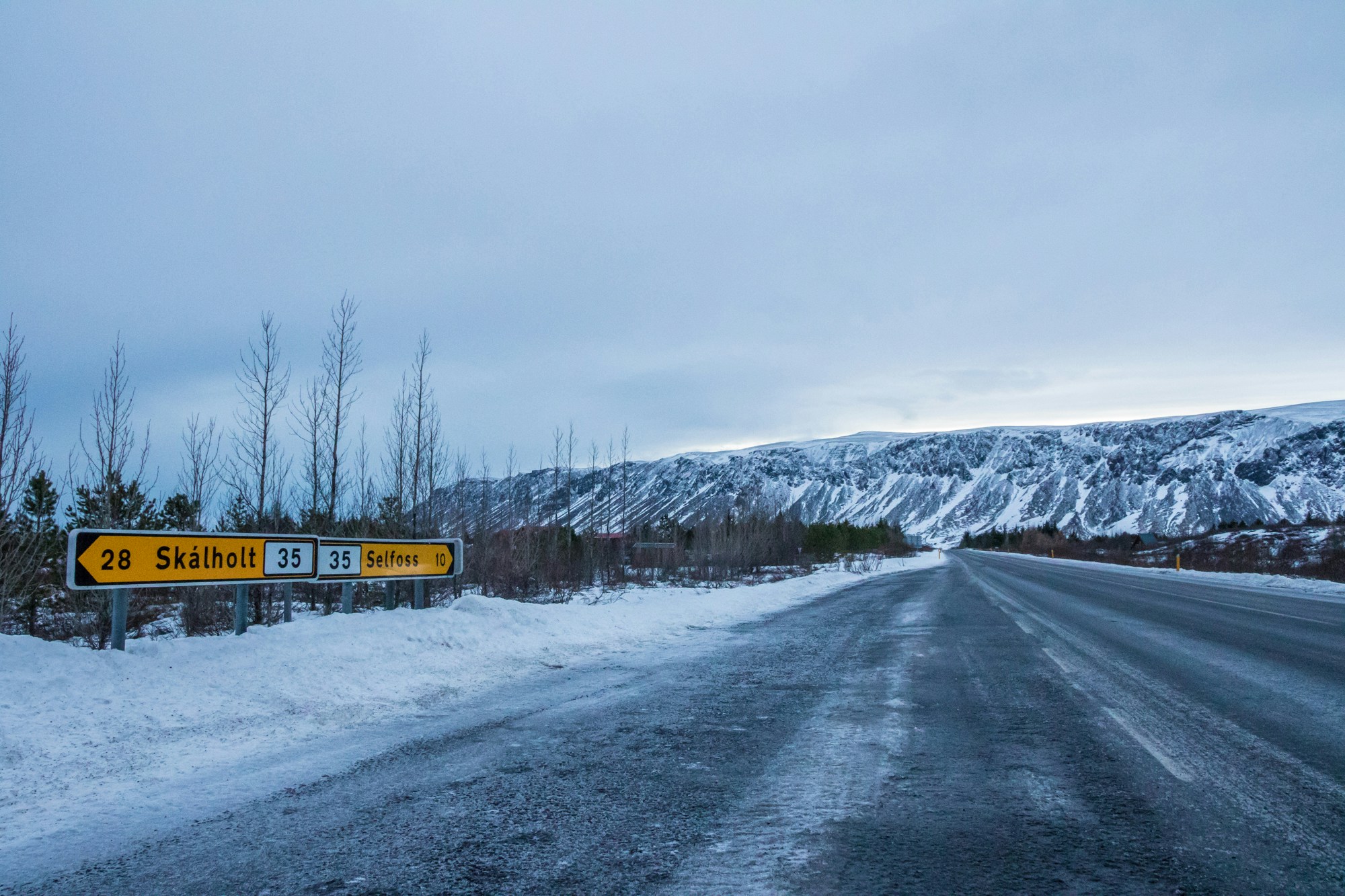
Iceland Field Notes: Five Days Around Reykjavík, June 2023

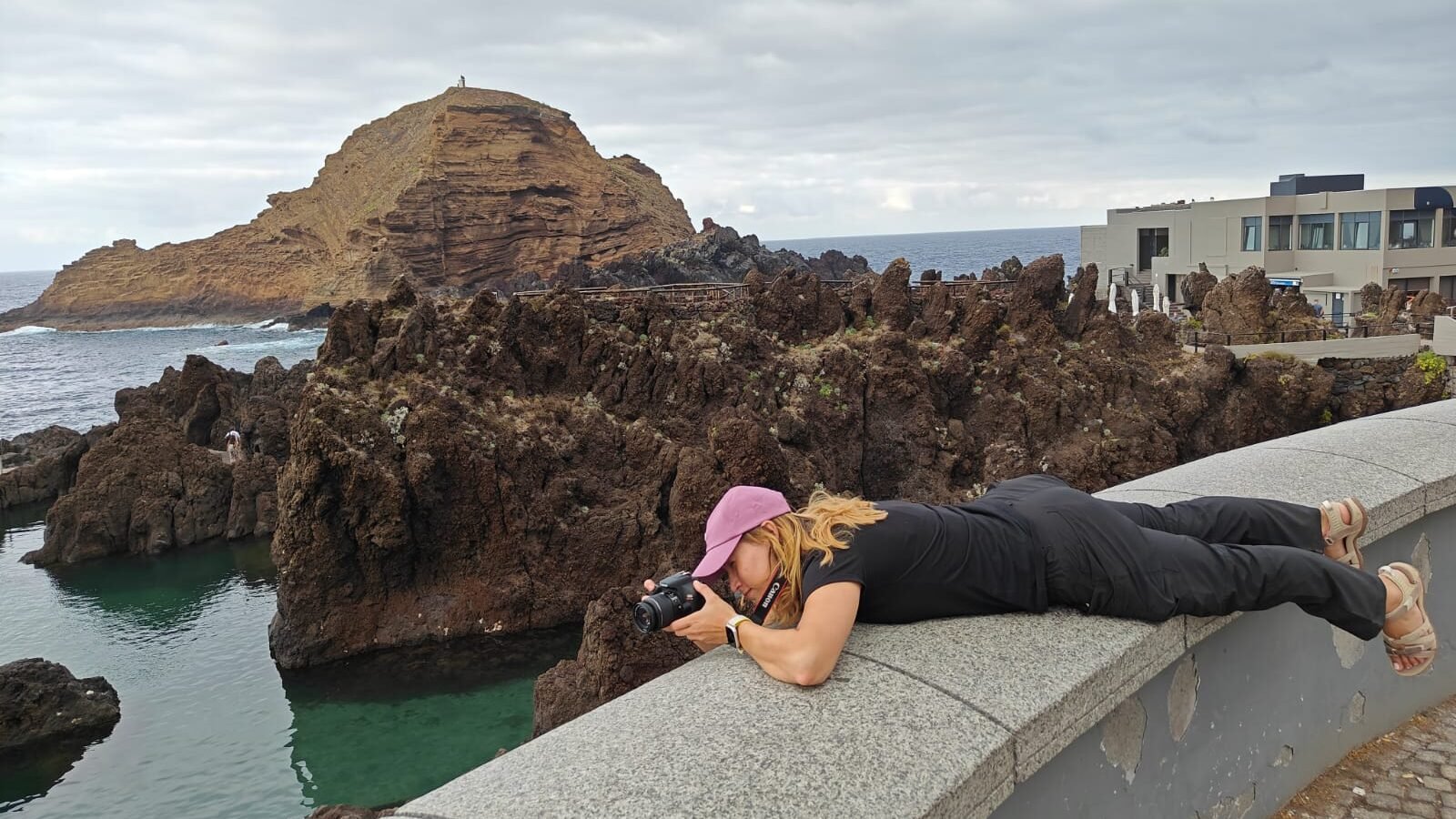
Portugal Field Notes: Madeira, Porto and Lisbon in September 2024

Travel Budget Guides: Real Cost Breakdowns
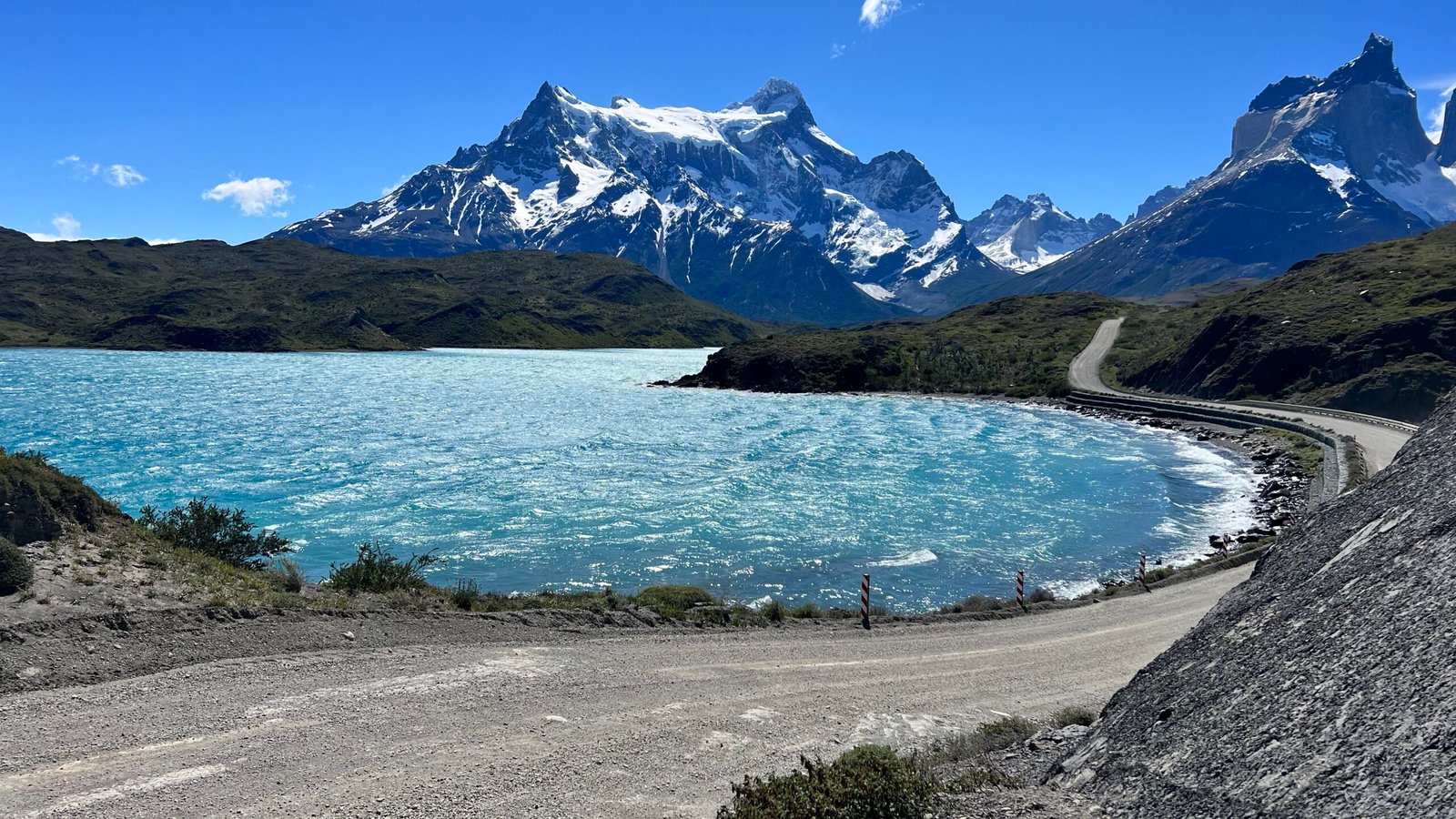
Real, destination-by-destination cost breakdowns — starting with the Patagonia W Trek — with unconfirmed figures clearly marked rather than guessed…

How I Pack: A Carry-On System That Works for Any Trip
The general packing philosophy behind every destination-specific list on this site — carry-on only, layered for real weather, and sorted…

Marrakech Field Notes: Three Days in the Red City, November 2025
Nuuk Field Notes: Playing the NACHC Women’s Championship in Greenland, June 2023