

Destinations > South America
South America centers on Patagonia and Chile, anchored by a November 2023 trip to Torres del Paine, Punta Arenas and Santiago. Expect day-by-day trekking itineraries, honest cost and packing breakdowns, and guides built from actually hiking the trail rather than repeating a brochure. Genuinely, there is no substitute for putting boots on the actual trail before writing about it.
Planning a South America Trip: What to Know Before You Go
South America is a continent of extremes, and that is exactly what makes it worth the effort to plan properly. In a single trip you can go from sea level to well over 14,000 feet, from humid rainforest to bone dry desert, and from a bustling capital city to a trailhead where the nearest town is hours away. The guides on this site start with real trips, like Torres del Paine in Chilean Patagonia, and will keep expanding country by country as more of the continent gets covered on foot.
Before booking anything, it is worth checking the U.S. Department of State’s travel advisories for whichever countries are on your list, since conditions and entry requirements can vary a lot between neighboring countries. It is also smart to check the CDC’s destination pages for altitude sickness guidance and any recommended vaccinations, particularly if a trip includes both high altitude regions like the Andes and lower altitude, humid areas like the Amazon basin.
Currency and language shift quickly as you cross borders here, so it helps to have a plan for both. Spanish covers most of the continent, but Brazil runs on Portuguese, and plenty of remote regions rely on indigenous languages where a translation app is genuinely useful. Cash is still king in smaller towns and trailhead villages, while cards work fine in major cities, so carrying a mix of both avoids getting stuck.
Packing for South America usually means packing for more than one climate at once. A trip that includes both a glacier trek and a beach stop needs layers that can handle cold wind, sun exposure, and humidity without doubling your luggage. Good rain gear, a proper base layer, and broken in hiking boots matter more here than almost anywhere else, and altitude means it is worth building in an extra day or two to acclimatize before any serious trekking.
If there is a specific South American country or trail you would like to see covered next, feel free to reach out. These guides are built one real trip at a time, and reader input genuinely shapes what gets covered first.
Budgeting across South America takes a bit of extra thought too, since costs swing widely depending on where you go. A week in Bolivia or Peru can cost a fraction of a week in Chile or Argentina’s bigger cities, and remote trekking regions often carry a premium for gear rental, permits, and guides. Building a little flexibility into the budget, and researching park entry fees and permit requirements ahead of time, avoids surprises once you are already on the trail.
Time zones are simpler here than in most parts of the world, since most of South America stays close to U.S. Eastern time, which makes it an easy continent for a shorter trip without much jet lag to fight through.
Best Time to Visit
Nov–March (Southern Hemisphere summer)
Bea’s Visits
Updating soon
Language
Spanish; Portuguese in Brazil
Currency
Varies by country (e.g. Chilean, Argentine Peso)
Bea’s Take
Bea’s honest take on South America is coming soon.
CURATED BY BEA
Editor’s Picks
-
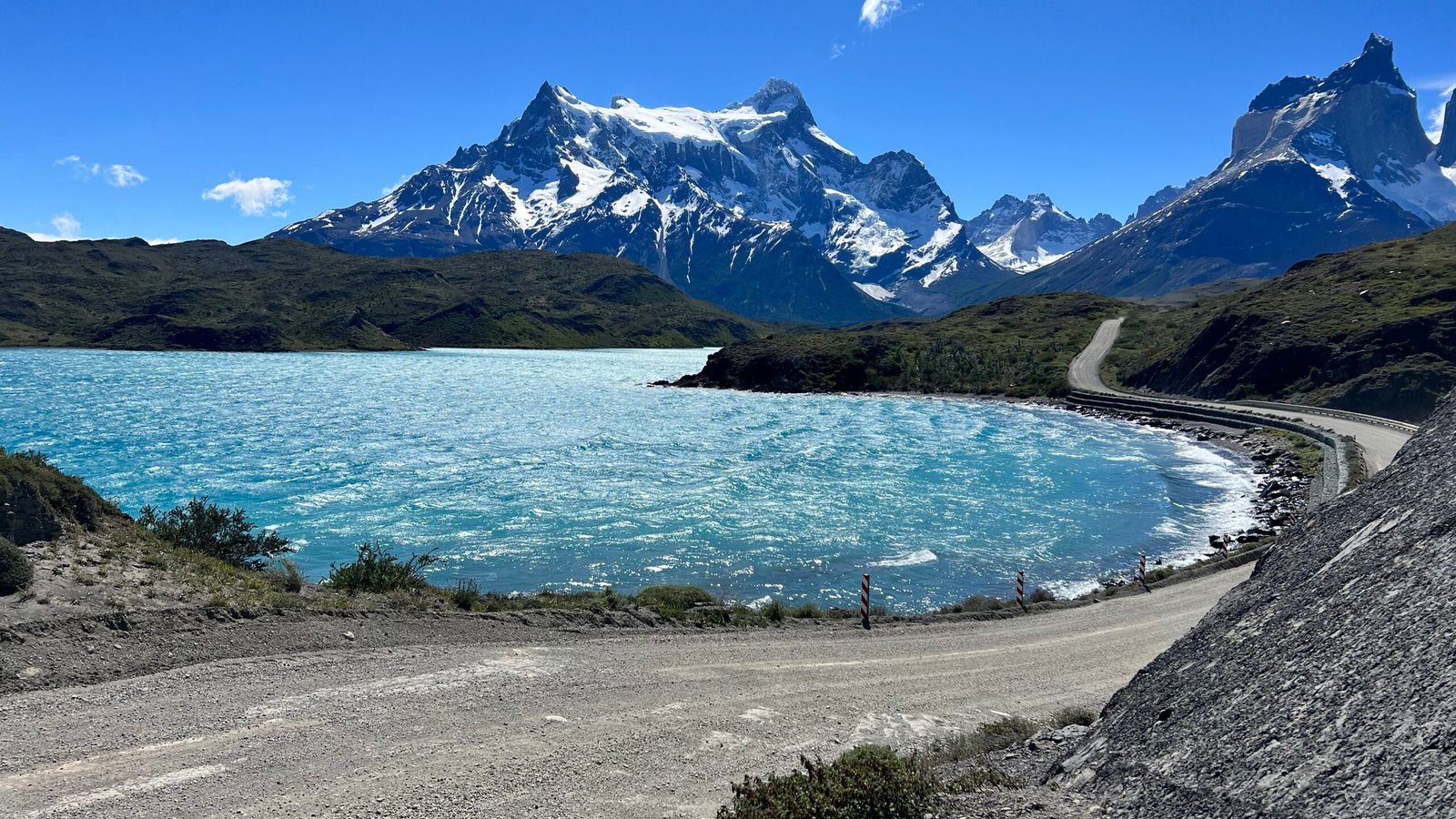
Patagonia Field Notes: Torres del Paine, Punta Arenas and Santiago, November 2023
-
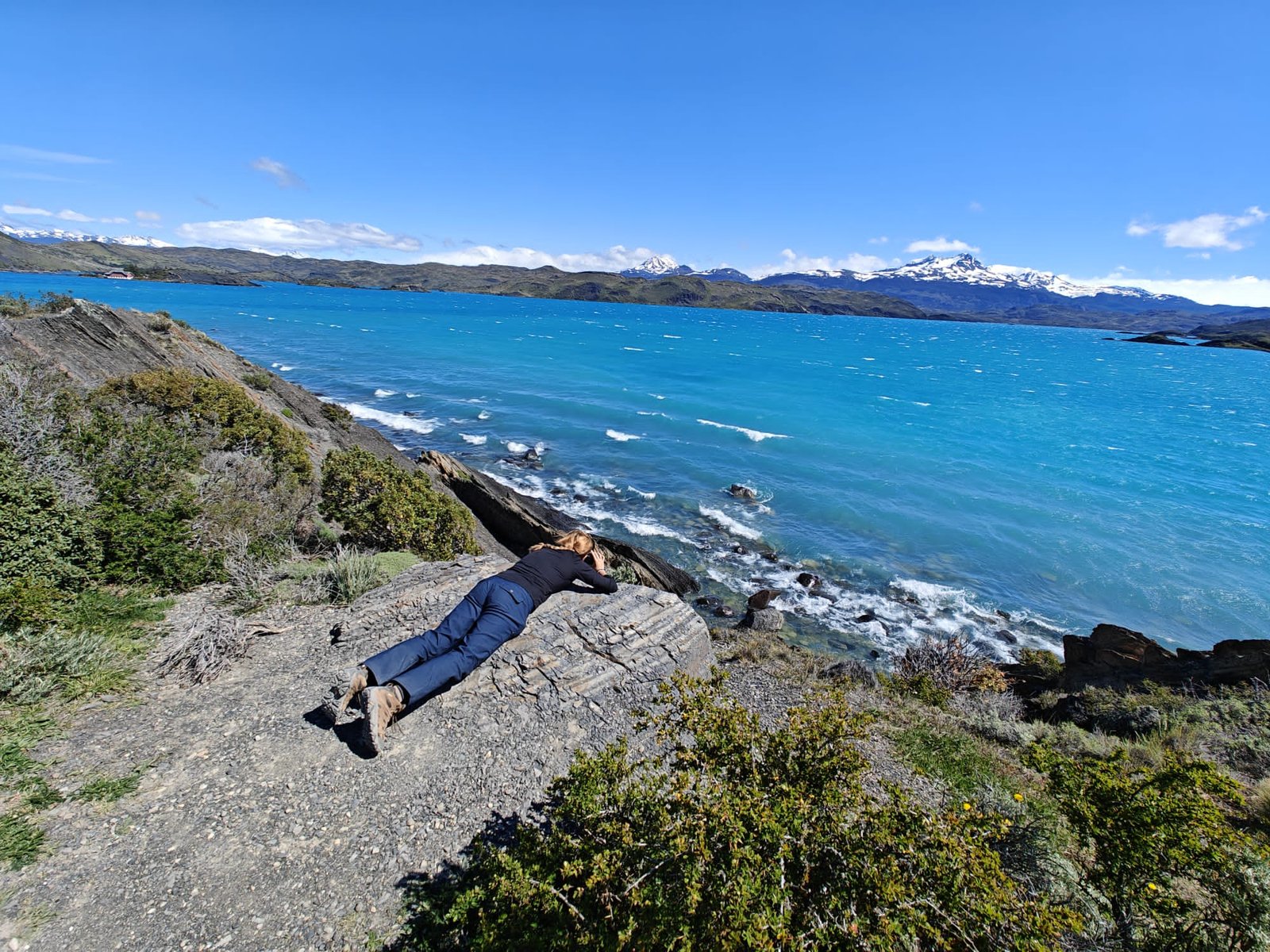
Patagonia W Trek Packing List
A practical W Trek packing checklist with layers, documents, daily essentials and camping checks, plus a free printable PDF.
FRESH ON THE BLOG
Most Recent
WHERE I’VE BEEN
South America destinations
Landscapes and lived-in moments — the places that let me slow down and really look.