DESTINATIONS
EUROPE
Europe · COUNTRY FIELD NOTE
Spain
Photography-led planning, firsthand perspective, and the details that make a place feel specific.
Find your season
Temperatures in Spain
Monthly averages for Madrid. A starting point for planning your trip.
Coolest monthJanuary · 4°C
Warmest monthJuly · 25°C
A local reference, not a country-wide average or a forecast. Coasts, mountains, and other regions can have very different conditions.
NASA POWER / MERRA-2 · 2001–2020 · 20-year monthly means. Colors indicate temperature, not a best-time-to-visit rating.
Spain, Region by Region
My strongest Spain coverage starts with the Barcelona field notes below. That experience also made one thing obvious: “Spain” is too broad to plan as a single destination. The language, food, weather, and daily rhythm change by region, so choose the part of the country you actually want to understand instead of collecting cities.
Spain uses the euro, and cards are widely accepted, though I still carry cash for smaller bars and markets. Castilian Spanish works nationwide, but it is not the only language you will see or hear. In Barcelona, Catalan appears on menus, street signs, and in everyday conversation; Basque and Galician matter in their own regions. Meals also run later than they do in the US. Lunch often lands between 1 and 3pm, dinner rarely begins before 9pm, and tipping generally means rounding up rather than adding an American-style percentage.
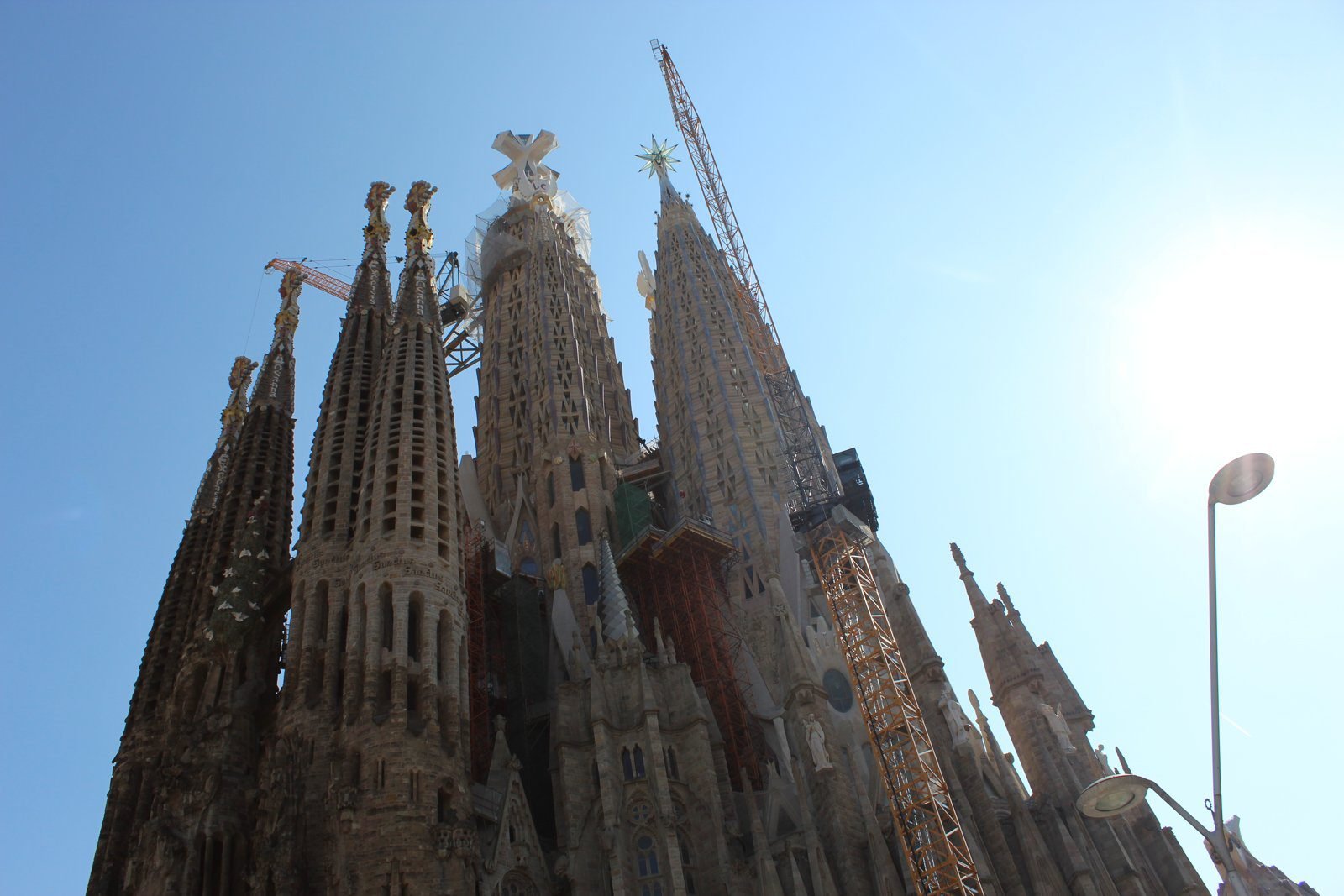
Pick a region before you build the route. Madrid makes sense for art museums and city energy. Barcelona combines dense neighborhoods, the waterfront, and Gaudí architecture, but it rewards time beyond the Gothic Quarter and Las Ramblas. Andalusia is a different trip again, shaped by Moorish architecture, flamenco, and much hotter summers. Basque Country and Galicia are greener, cooler, and more seafood-focused. High-speed rail handles the major-city connections well; a car becomes useful when the trip depends on smaller coastal or inland towns. Treat the Canary and Balearic Islands as separate itineraries rather than add-ons.
Food is regional too. Paella belongs to Valencia; pintxos are associated with Basque Country; jamón ibérico appears across the country. Tapas are ordered a few plates at a time and shared, which makes more sense once you stop trying to turn dinner into a 6pm appointment. Vegetarian options such as patatas bravas, tortilla española, and grilled vegetables are common on many tapas menus. Breakfast is usually light—coffee and a pastry rather than a large American meal. Tap water is safe to drink.
High-speed trains make Madrid, Barcelona, Seville, and Valencia straightforward to combine without a car. Summer heat can be punishing inland, especially in Madrid and Seville, so spring and fall are usually easier for long walking days. Before booking, check current entry and safety guidance from the U.S. State Department rather than relying on an older blog post.
Start with the Barcelona stories below. I will add the rest of Spain only as the firsthand coverage earns its place here.
Local Guides
Guides & Stories
Firsthand stories and practical guides from the places I have actually spent time in.
More to Explore
More Travel Inspiration
The latest field notes, itineraries, and planning tools from the blog.

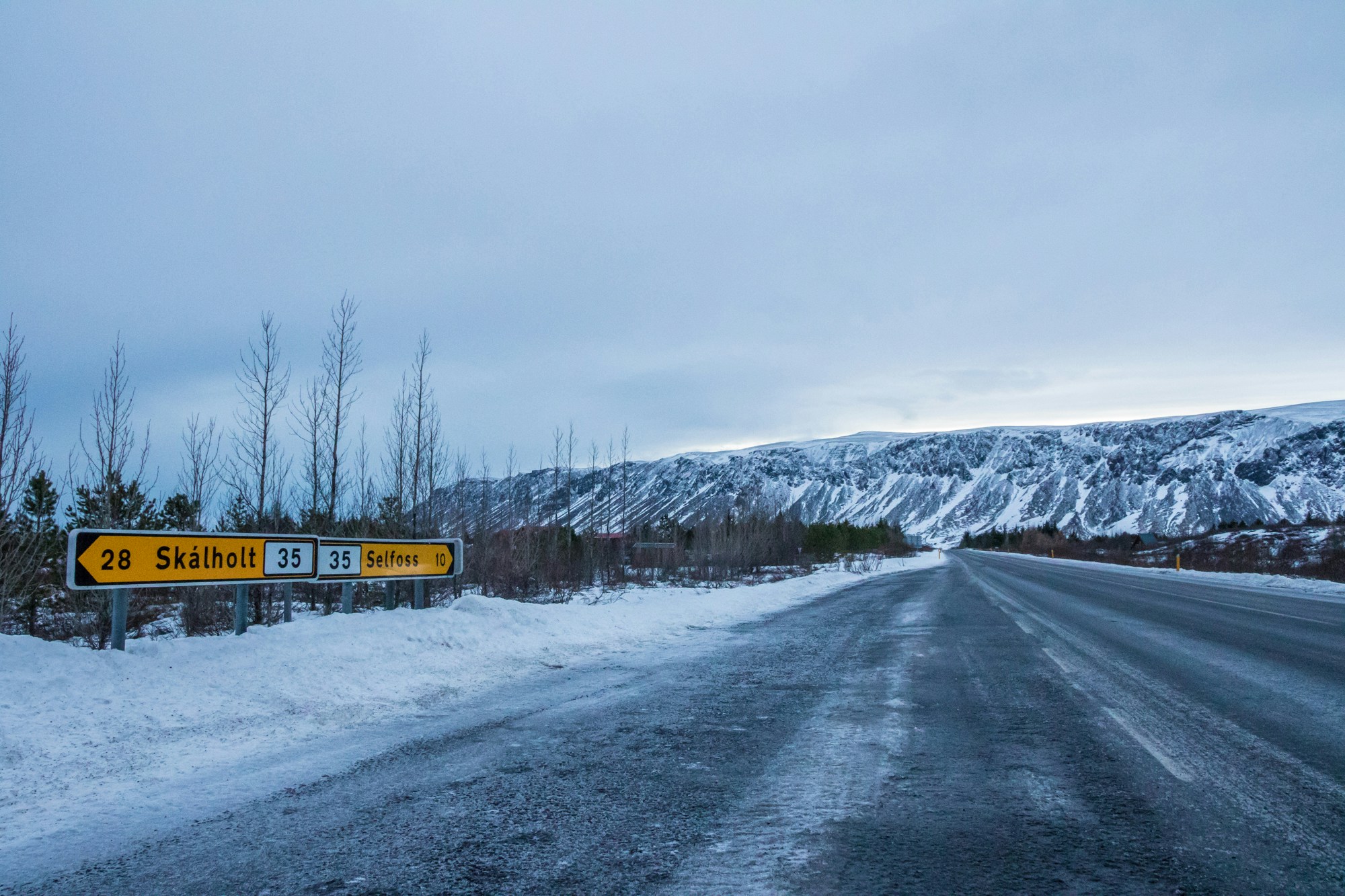
Iceland Field Notes: Five Days Around Reykjavík, June 2023

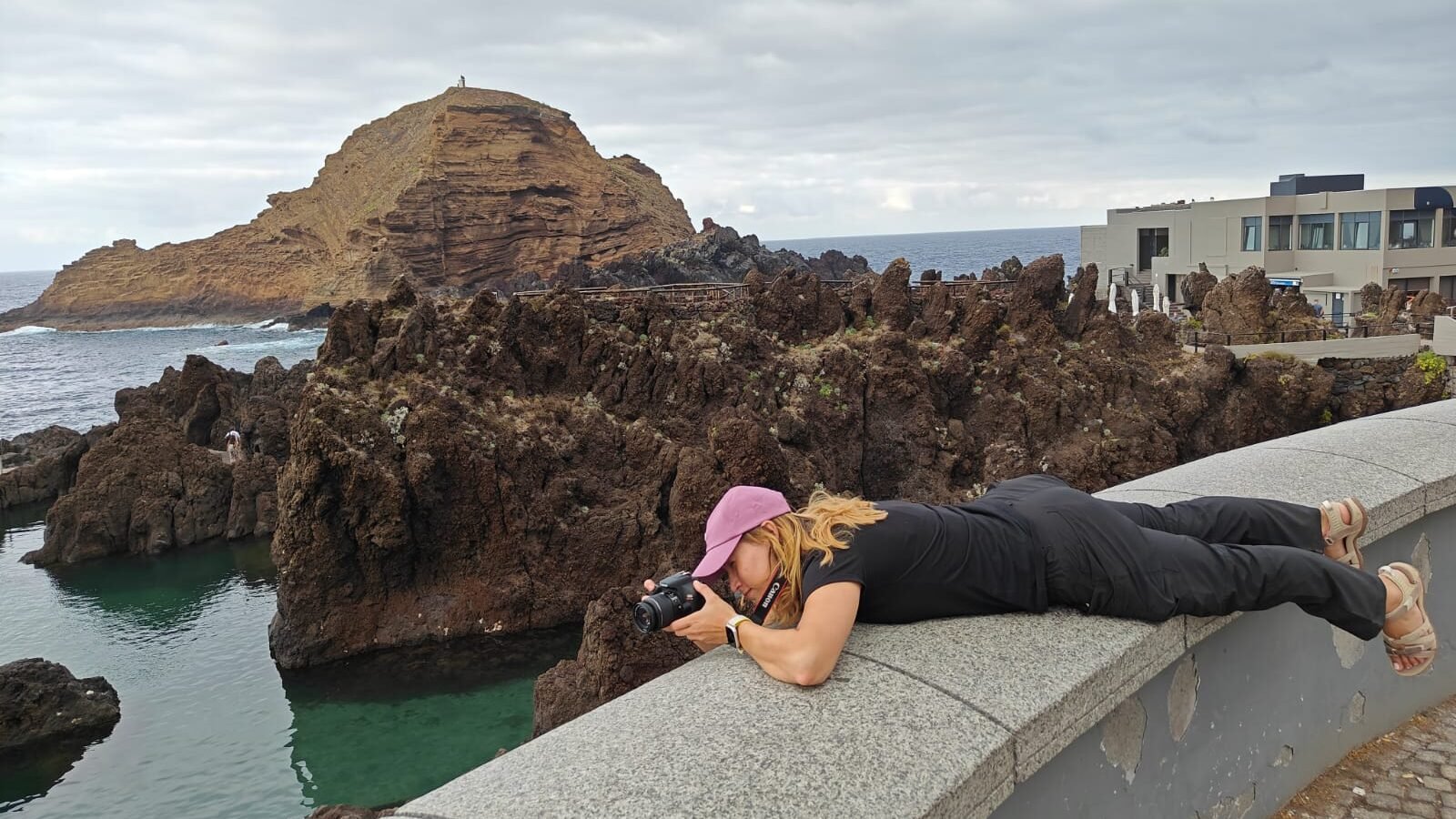
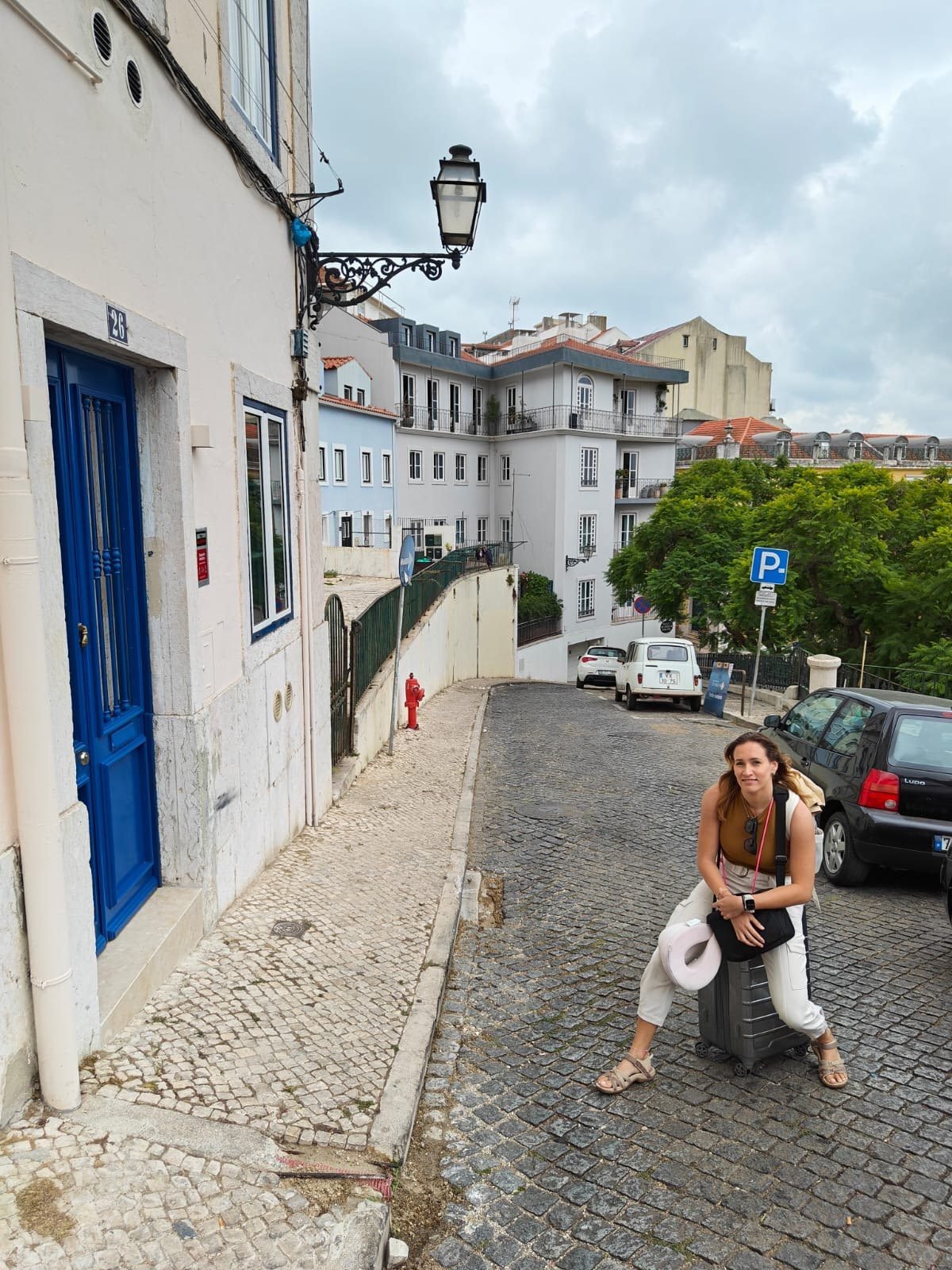
Portugal Field Notes: Madeira, Porto and Lisbon in September 2024

Travel Budget Guides: Real Cost Breakdowns
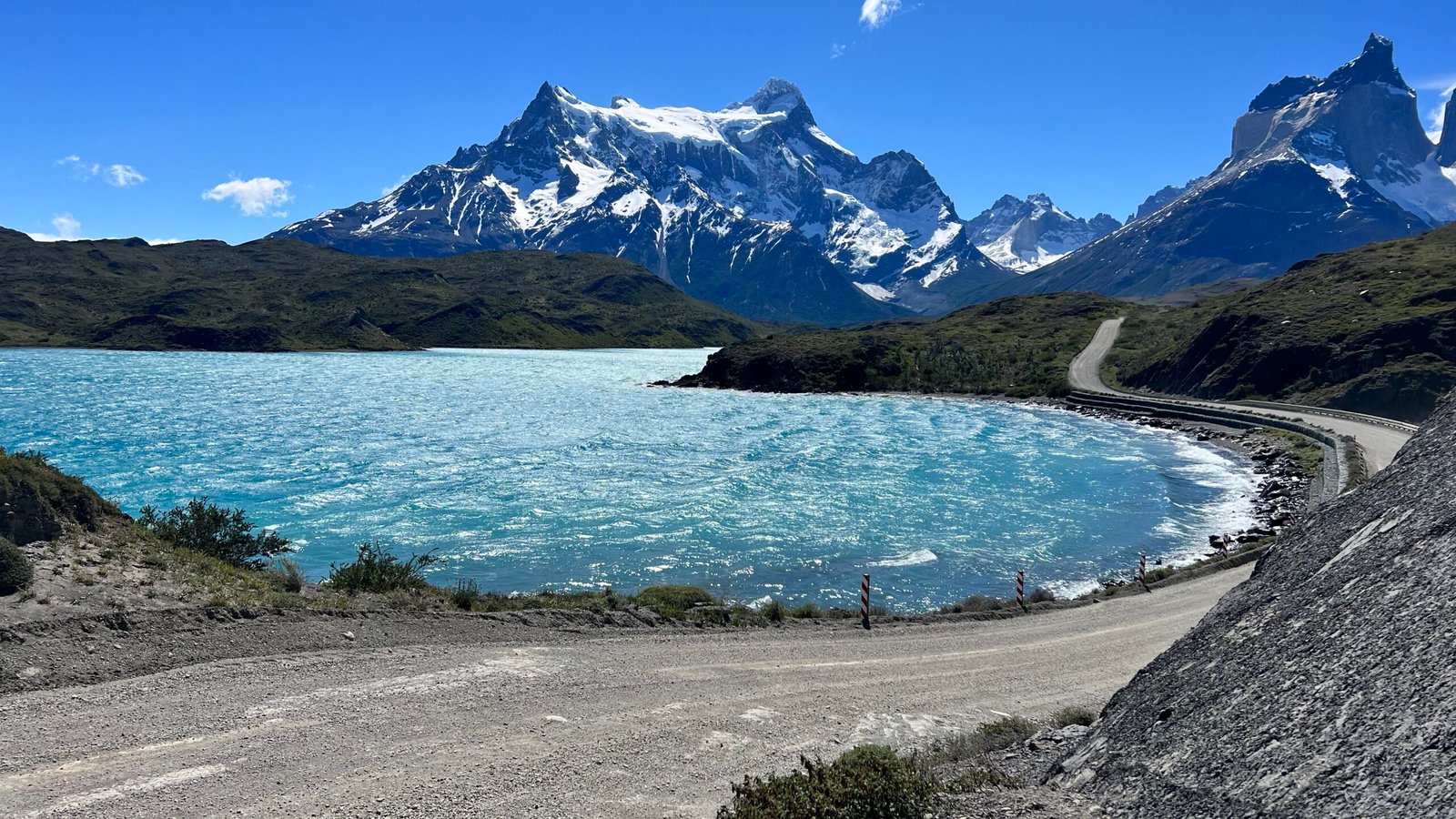
Real, destination-by-destination cost breakdowns — starting with the Patagonia W Trek — with unconfirmed figures clearly marked rather than guessed…

How I Pack: A Carry-On System That Works for Any Trip
The general packing philosophy behind every destination-specific list on this site — carry-on only, layered for real weather, and sorted…

Marrakech Field Notes: Three Days in the Red City, November 2025
Nuuk Field Notes: Playing the NACHC Women’s Championship in Greenland, June 2023