Travel Styles · Adventure
Travel Beyond the Comfort Zone
Dramatic landscapes, physical challenges, and the kind of stories you’ll still be telling ten years from now.
About This Style
What Is Adventure Travel?
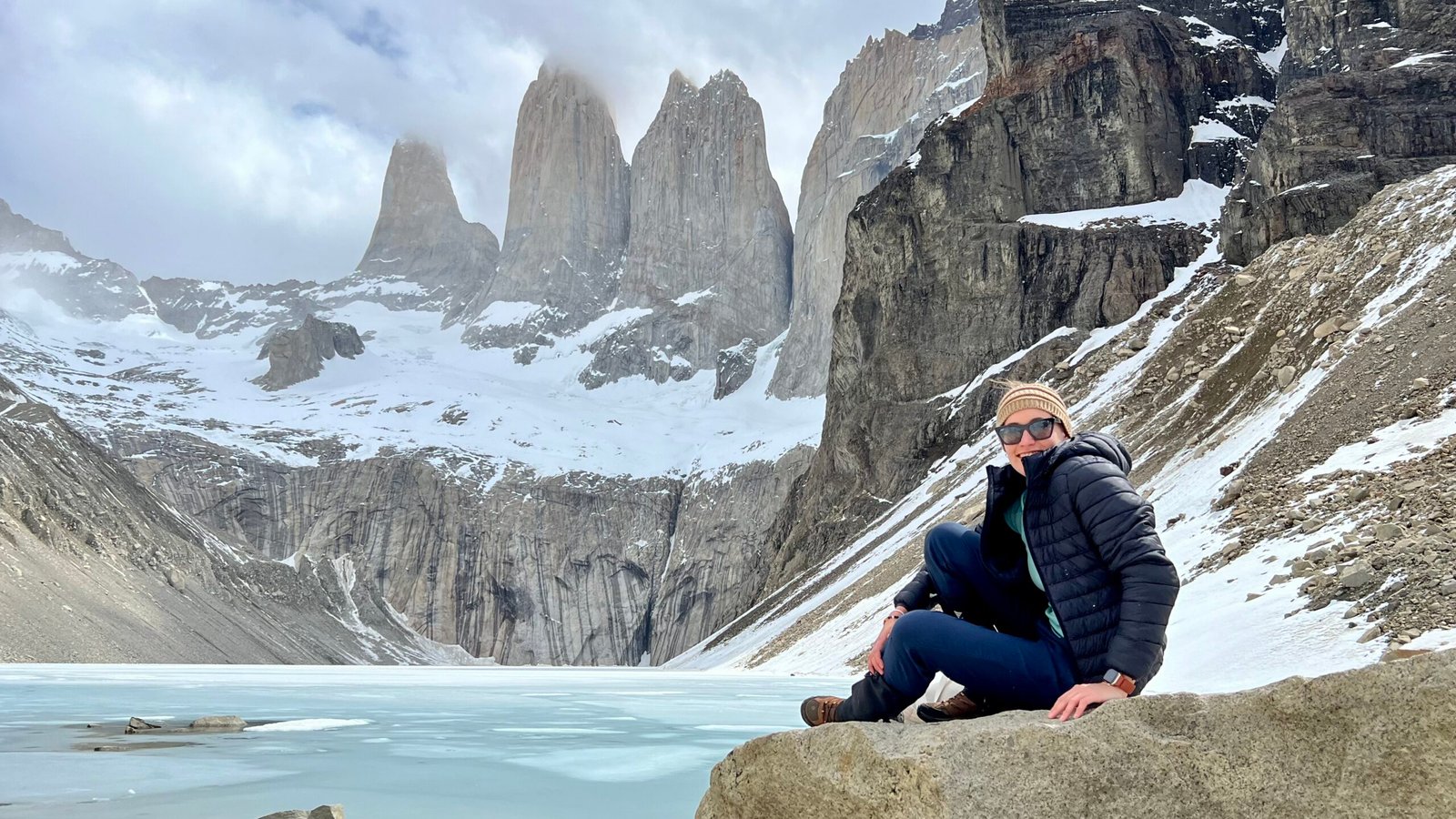
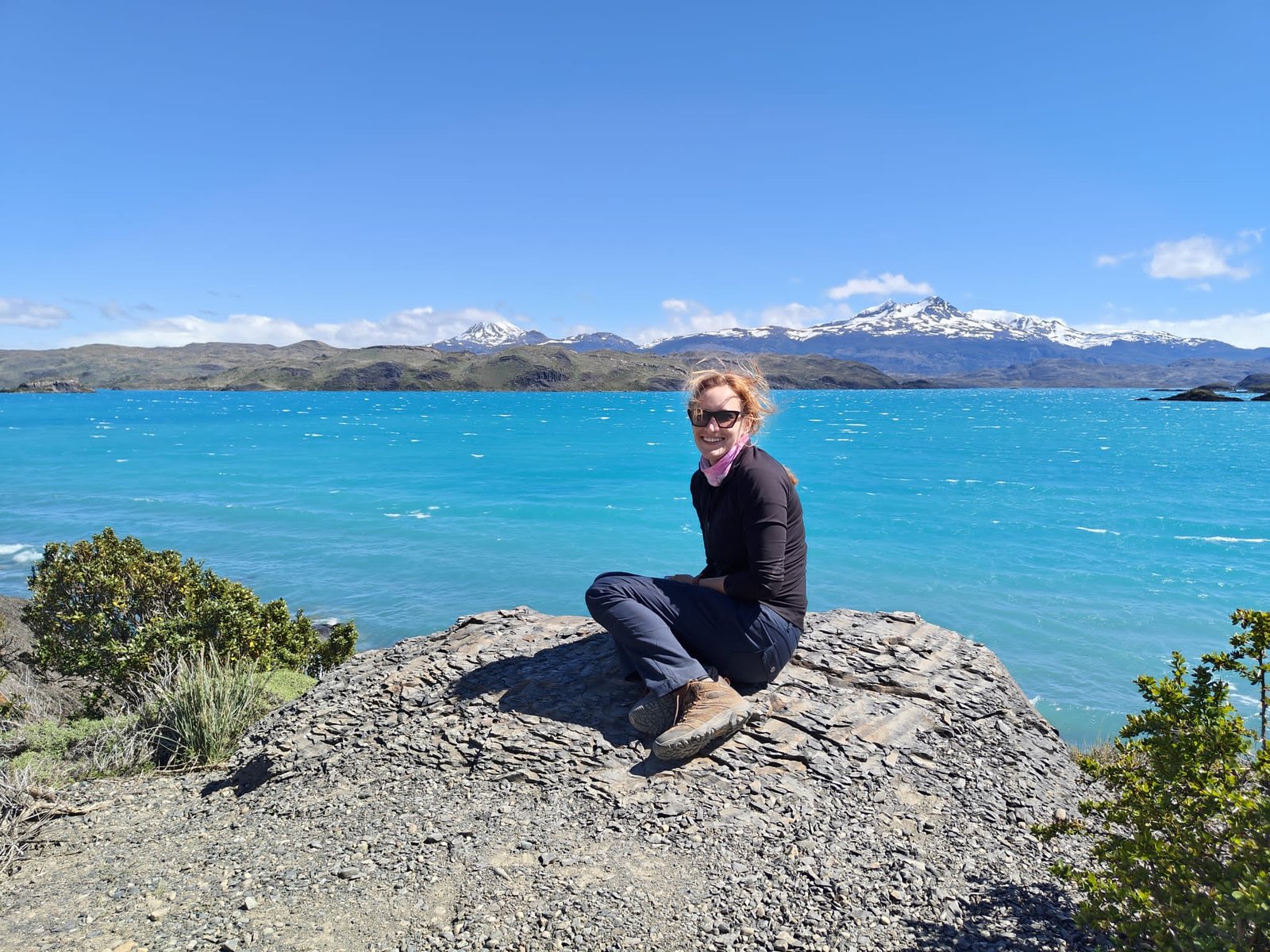
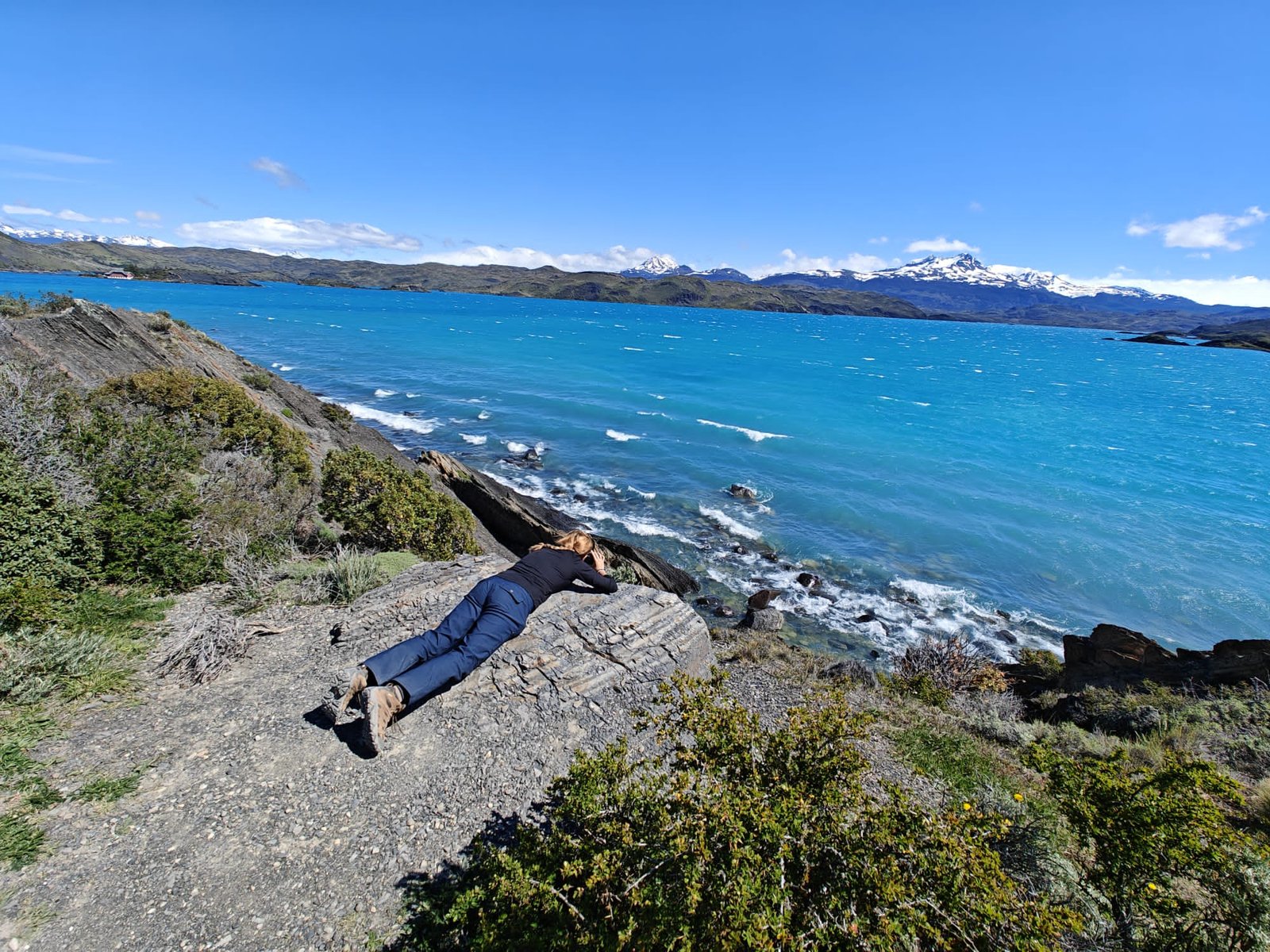
Adventure is one of the clearest threads in this blog: Patagonia’s W Trek, refugio and campsite booking, packing, training, and the honest cost in days, money, and tired legs. These guides focus on demanding trips that can still work around limited vacation time, with the logistics explained before you commit.
This style is for you if…
You prefer trails over taxis. You pack light, move fast, and find the most energy in places that require real effort to reach.
Adventure Guides
Guides for Adventure Travelers
Start with the complete Patagonia W Trek series: day-by-day itinerary, booking timeline, November reality check, and packing list.

Torres del Paine Refugio & Campsite Booking Timeline
A free booking-timeline reference for the W Trek: when reservations open, which refugios sell out first, and how far out to book campsites for a November-March trip. Booking windows: Refugio Paine Grande and Los Cuernos open their booking calendars roughly 12 months ahead and sell out first for peak season (December-February). Campamento Torres and Chileno…

Patagonia W Trek Packing List
A practical W Trek packing checklist with layers, documents, daily essentials and camping checks, plus a free printable PDF.
Explore More Styles
Not Quite Your Style?
Discover all 10 travel styles — from luxury escapes to road trip adventures.
Preparing for an Adventure Trip
Adventure travel tends to reward honest self-assessment more than any other kind of trip. Being realistic about your actual fitness level, prior experience, and comfort with risk, rather than the level you’d like to be at, makes the difference between a trip that pushes you in a good way and one that turns miserable or dangerous partway through. It’s worth training specifically for the demands of the trip in the weeks beforehand, not just staying generally active.
Gear matters more in adventure travel than in almost any other style, and it’s worth testing everything — boots, packs, layers, any technical equipment — well before departure rather than breaking it in during the trip itself. A blister from new boots or a pack that doesn’t fit right can derail days of an otherwise well-planned adventure.
Travel insurance that specifically covers the activities planned, whether that’s trekking at altitude, diving, or backcountry skiing, is worth checking carefully before booking. Standard travel insurance often excludes higher-risk activities, and finding this out after an injury rather than before is one of the more expensive mistakes in adventure travel.
Hiring local guides or outfitters for higher-risk activities is almost always worth the cost, even for experienced travelers. Local guides know current conditions, hazards, and regulations that change season to season and often aren’t reflected in guidebooks or older trip reports, and their knowledge is frequently the difference between a great day and a genuinely dangerous one.
Finally, building real buffer days into an adventure itinerary — for weather, recovery, or delays — tends to matter more here than in most travel styles, since adventure activities are more exposed to conditions outside your control. A trip with zero slack in the schedule leaves no room to wait out bad weather or recover from a tough day, and that rigidity is often what turns a manageable setback into a ruined trip.
Packing a basic first aid kit tailored to the specific activity, along with any personal medications and a printed copy of relevant medical information, is a small step that matters far more in remote adventure settings than it would on a typical vacation, where help and pharmacies are usually close by.