DESTINATIONS
AFRICA
Africa · COUNTRY FIELD NOTE
Morocco
Photography-led planning, firsthand perspective, and the details that make a place feel specific.
Find your season
Temperatures in Morocco
Monthly averages for Rabat. A starting point for planning your trip.
Coolest monthJanuary · 14°C
Warmest monthAugust · 24°C
A local reference, not a country-wide average or a forecast. Coasts, mountains, and other regions can have very different conditions.
NASA POWER / MERRA-2 · 2001–2020 · 20-year monthly means. Colors indicate temperature, not a best-time-to-visit rating.
Traveling Morocco
Morocco snuck up on me. I only had about 48 hours there squeezed between matches on a Team USA handball trip, and it was enough to fall for the place — the maze of alleys in the medina, mint tea poured from impossibly high above the glass, and market stalls selling everything from leather goods to spices in colors I didn’t have names for. It’s the kind of destination that rewards getting a little lost on purpose.
A few practical things I wish I’d known before landing in Morocco: the currency is the Moroccan dirham, and it’s technically a closed currency, so you’ll want to exchange money after you arrive rather than before. Bargaining is expected in the souks — starting around half the asking price is normal — but fixed-price shops and restaurants won’t expect it. Dress modestly, especially outside beach resorts and away from the main tourist areas, and Friday afternoons can mean shorter hours for shops and offices around prayer time.
Morocco is bigger and more climate-varied than it looks on a map — coastal cities like Casablanca and Essaouira stay mild, Marrakech gets properly hot in summer, and the Atlas Mountains can see snow in winter. Stick to bottled or filtered water, and check the U.S. State Department’s Morocco travel page for current entry requirements and any regional advisories before you go.
Food is one of the best reasons to visit Morocco on its own. Tagines slow-cooked with preserved lemon and olives, fresh-baked khobz bread, and mint tea poured as a ritual rather than just a drink — meals there tend to be unhurried, and it’s worth building extra time into any Morocco itinerary just for sitting down properly rather than eating on the move. Street food in the medinas is generally safe and some of the best value you’ll find.
Getting around Morocco is easier than I expected. Trains connect the major cities like Casablanca, Rabat, Fez, and Marrakech comfortably, while grand taxis and buses fill in the gaps to smaller towns. If you’re heading into the Sahara or the Atlas Mountains, it’s worth booking a guide rather than driving yourself, both for the roads and for the local knowledge of routes and weather.
One more Morocco tip: riads (traditional courtyard guesthouses) tend to be a far better base than standard hotels if you want a genuine sense of place, and many host families can point you toward local spots that never show up in guidebooks. Wifi and cell coverage are solid in cities but patchier in the desert and mountains, so it’s worth downloading offline maps before you head out of town. It’s a small habit that pays off the moment you lose signal somewhere scenic.
Below you’ll find what we’ve written about Morocco so far, including a closer look at that whirlwind 48 hours. If you’ve been and have tips of your own — favorite riads, food you can’t miss — I’d love to hear about it in the comments.
Local Guides
Guides & Stories
Everything we’ve published about this destination, updated as new stories go live.

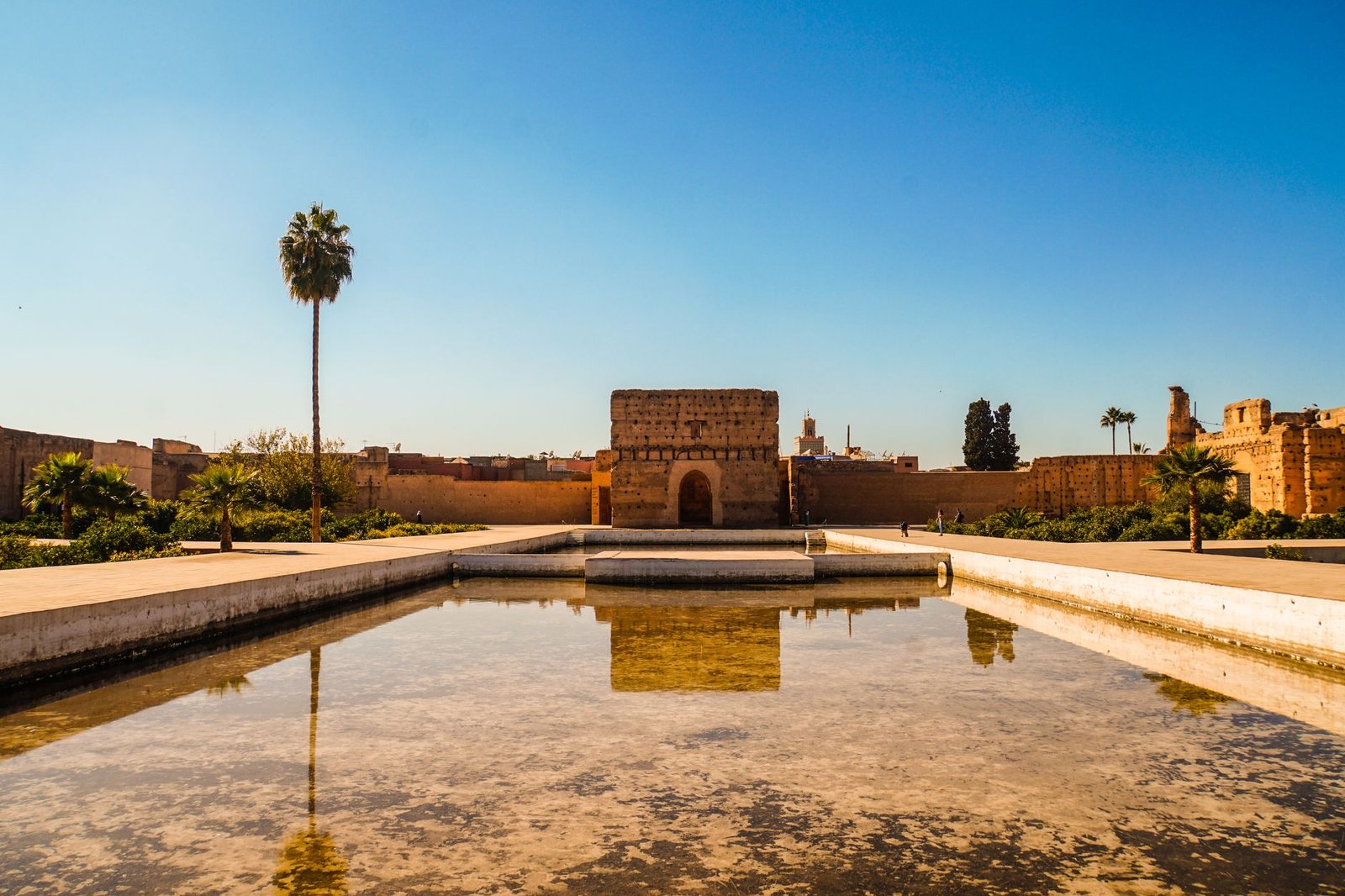
Marrakech, Morocco: What Three Days in the Red City Taught Me About Slowing Down
This Marrakech Morocco travel guide isn’t about ticking off sights fast. I flew into Marrakech on November 6, 2025, with…
More to Explore
More Travel Inspiration
Fresh from the blog — recent stories and guides from around the world.
Travel Budget Guides: Real Cost Breakdowns
Real, destination-by-destination cost breakdowns — starting with the Patagonia W Trek — with unconfirmed figures clearly marked rather than guessed…

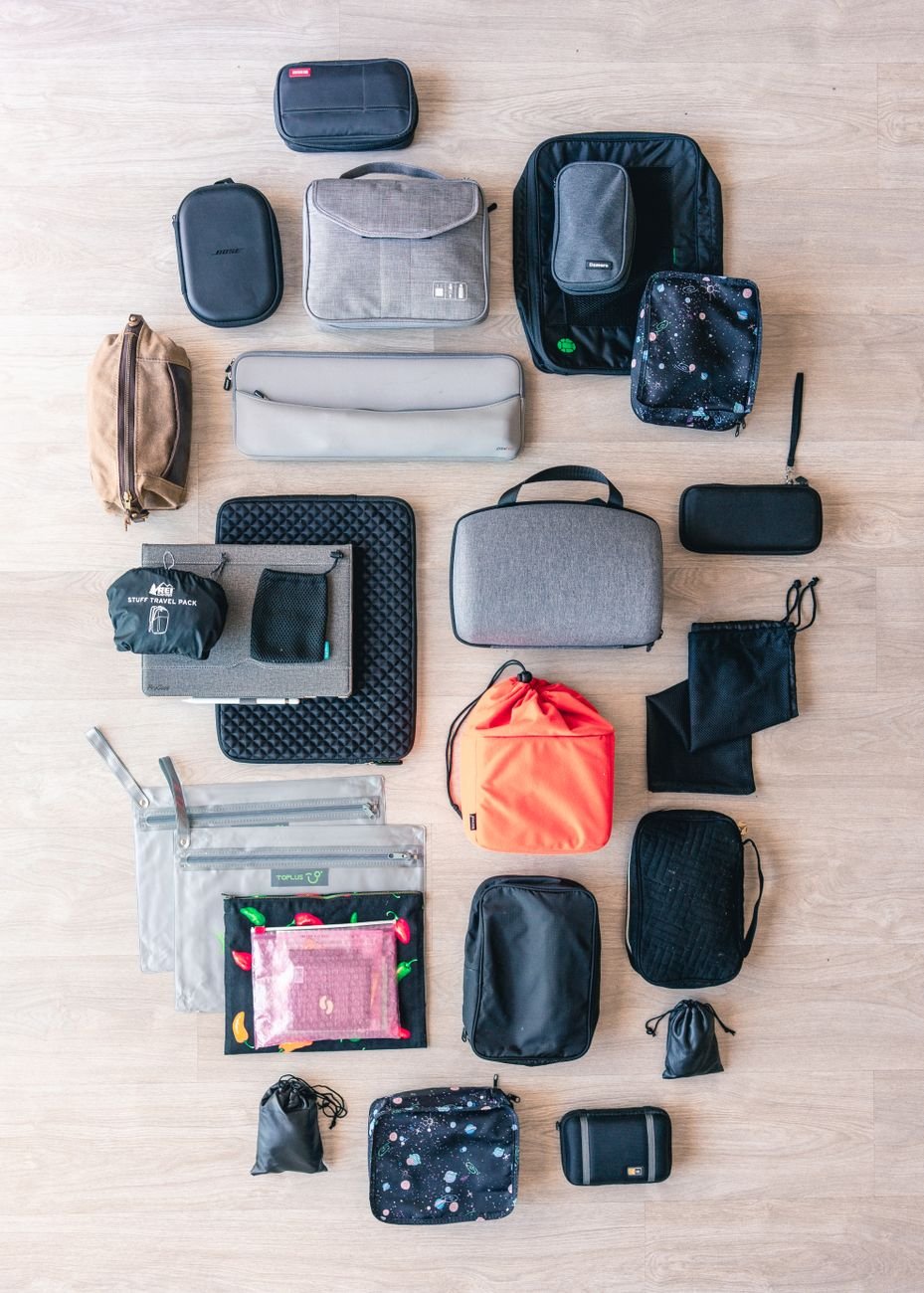
How I Pack: A Carry-On System That Works for Any Trip
The general packing philosophy behind every destination-specific list on this site — carry-on only, layered for real weather, and sorted…
Marrakech, Morocco: What Three Days in the Red City Taught Me About Slowing Down
This Marrakech Morocco travel guide isn’t about ticking off sights fast. I flew into Marrakech on November 6, 2025, with…
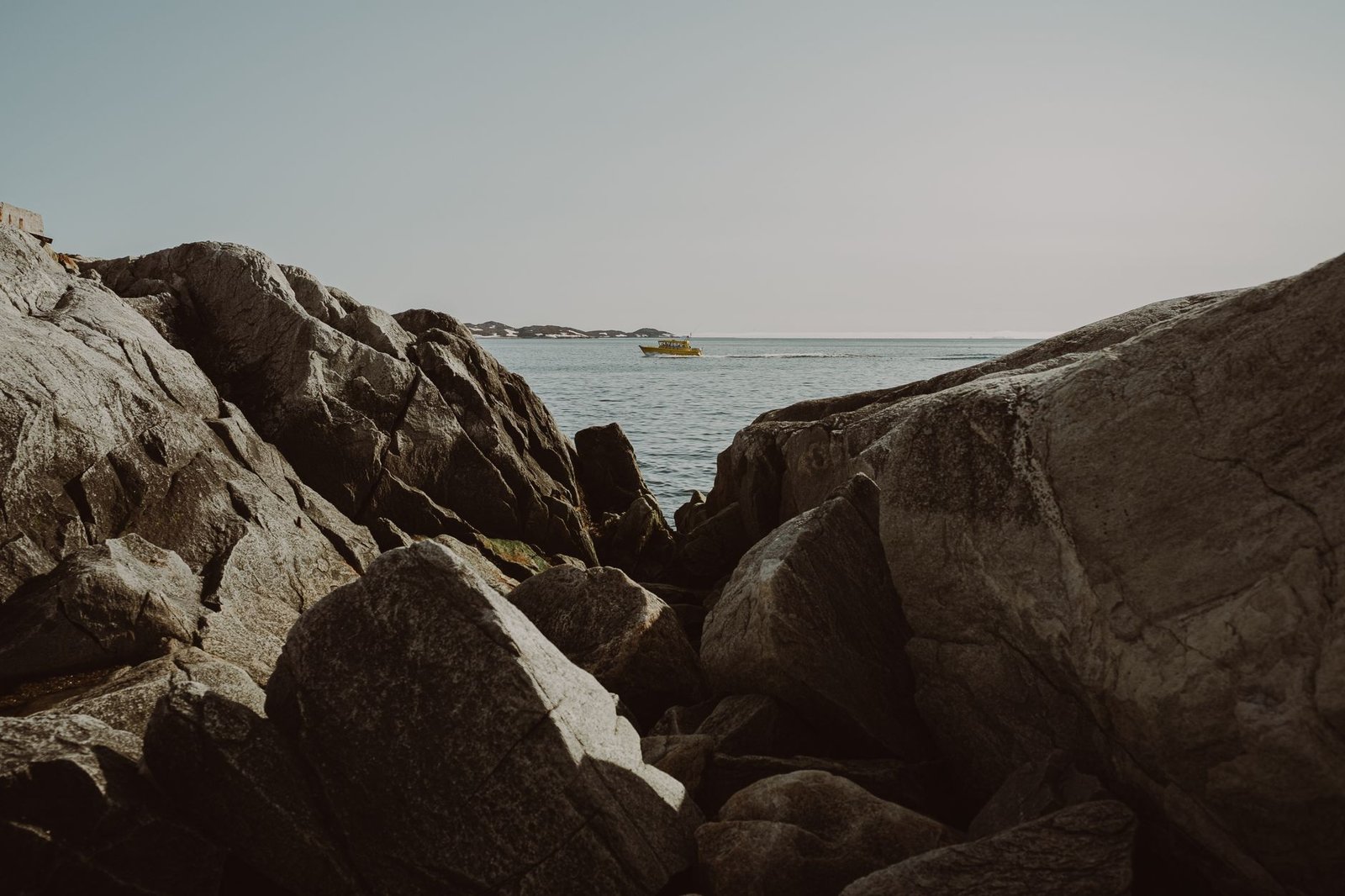
Nuuk, Greenland: What It’s Like to Visit as an Athlete, Not a Tourist
Visiting Nuuk Greenland was never about the postcard shot. I didn’t go to Nuuk for the Instagram shot. I went…

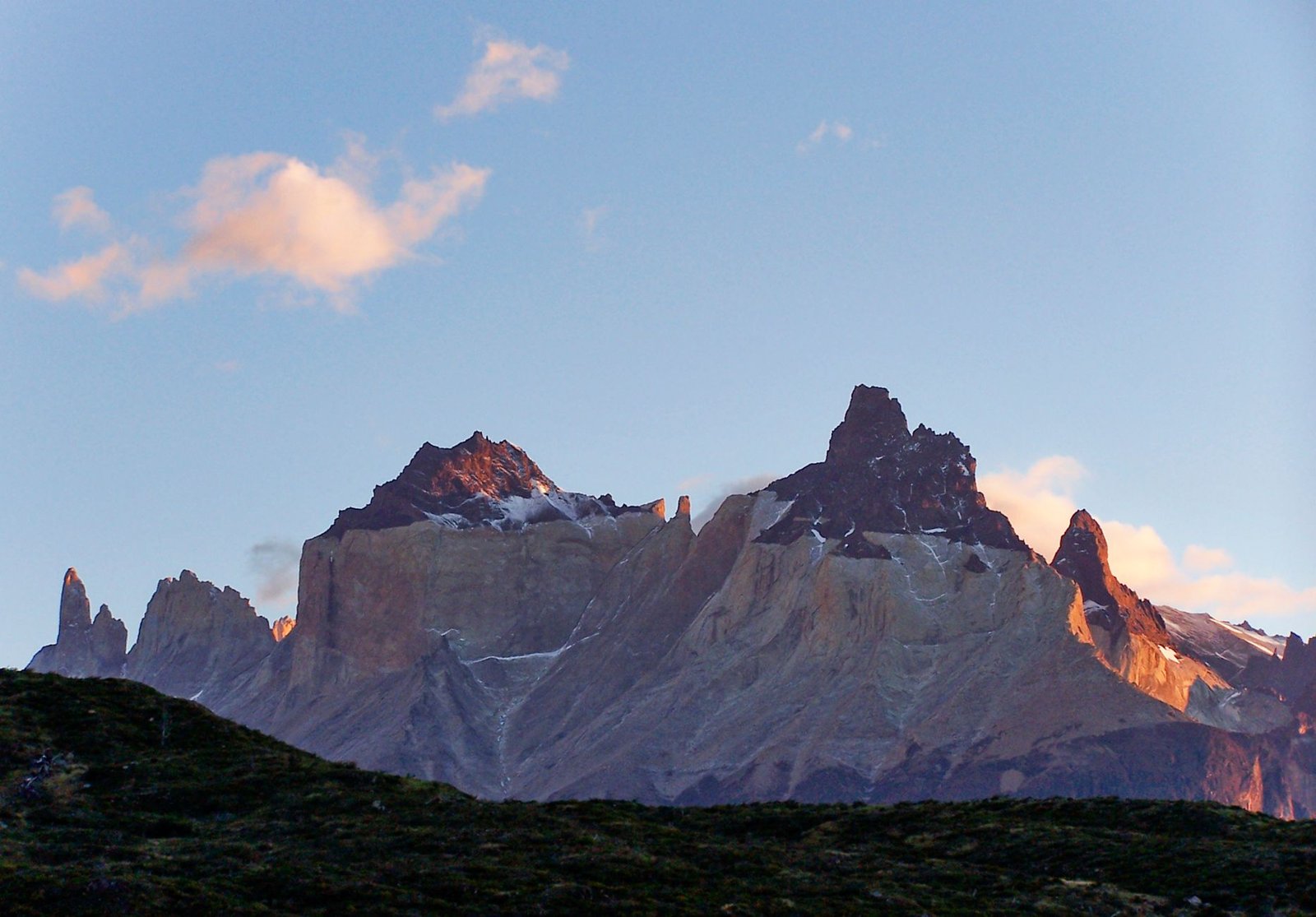
Torres del Paine Travel Guide
This Torres del Paine travel guide starts on the ground, on a scree slope, not behind a desk. I didn’t…