DESTINATIONS
EUROPE
Europe · COUNTRY FIELD NOTE
Hungary
Photography-led planning, firsthand perspective, and the details that make a place feel specific.
Find your season
Temperatures in Hungary
Monthly averages for Budapest. A starting point for planning your trip.
Coolest monthJanuary · -2°C
Warmest monthJuly · 23°C
A local reference, not a country-wide average or a forecast. Coasts, mountains, and other regions can have very different conditions.
NASA POWER / MERRA-2 · 2001–2020 · 20-year monthly means. Colors indicate temperature, not a best-time-to-visit rating.
Traveling Hungary
Hungary is still on my list of places I’m building out full guides for, but I wanted the essentials up here for anyone planning a trip in the meantime. Budapest tends to be the main draw, and rightly so — the Parliament building lit up at night, the thermal baths, and the ruin bars scattered through the Jewish Quarter make it one of the more distinctive capital cities in Europe, but the countryside around Lake Balaton and the wine region of Eger are worth the extra time if you have it. Either way, it’s a country that rewards more time than most visitors give it.
A few practical notes on Hungary: the currency is the forint, not the euro, despite Hungary being an EU member, so budget for a currency exchange or withdraw cash locally rather than assuming euros will work. Card payment is widely accepted in Budapest, less so in smaller towns. Hungarian is famously unrelated to most other European languages, so don’t expect to guess your way through signs — English is common in tourist areas, especially with younger people.
Budapest’s public transit, including the metro, trams, and buses, is efficient and inexpensive, making a car unnecessary within the city. If you’re heading out to Lake Balaton or wine country, trains and buses connect most towns, though a rental car gives more flexibility for exploring smaller villages. Check the U.S. State Department’s Hungary travel page for current entry requirements before you book.
Budapest’s thermal baths deserve their own dedicated afternoon — Széchenyi and Gellért are the two most famous, both housed in stunning historic buildings, and soaking outdoors even in cooler months is one of the more memorable experiences the city offers. The Danube split the city into Buda and Pest, and it’s worth spending time on both sides — Buda Castle and Fisherman’s Bastion for views, Pest for the nightlife and ruin bar scene.
Hungary tends to be less expensive than Western Europe, which makes it a good value destination for food, accommodation, and thermal bath entry alike, though prices in central Budapest have risen with tourism in recent years. Traditional Hungarian food leans hearty — goulash, chimney cake (kürtőskalács), and paprika-heavy dishes are worth seeking out at a proper sit-down restaurant rather than just tourist-area cafes.
Weather in Hungary runs on a fairly typical continental pattern — hot, sometimes humid summers and cold winters with occasional snow, so shoulder seasons like May or September tend to offer the most comfortable sightseeing weather. Pack layers regardless of season, since evenings can cool down quickly even in summer, and bring a swimsuit no matter when you visit given how central the thermal baths are to the experience.
We’ll be adding proper trip guides and stories from Hungary as they happen — for now, keep an eye on this page, and let us know in the comments if there’s a specific region, like Eger or Lake Balaton, you’d like us to cover first.
Local Guides
Guides & Stories
Everything we’ve published about this destination, updated as new stories go live.
New stories for this destination are on the way — check back soon, or explore our latest itineraries in the meantime.
More to Explore
More Travel Inspiration
Fresh from the blog — recent stories and guides from around the world.

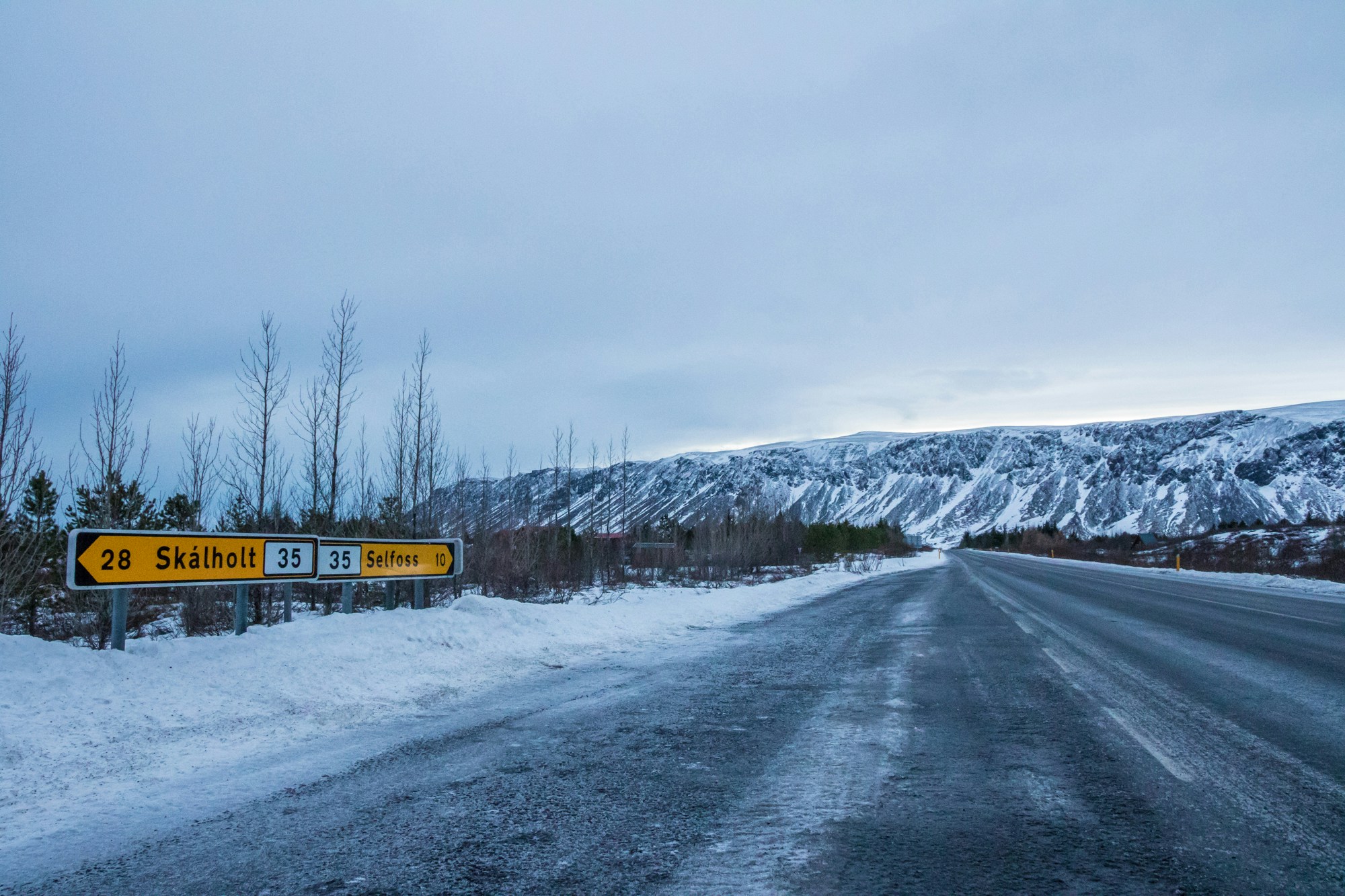
Iceland Field Notes: Five Days Around Reykjavík, June 2023

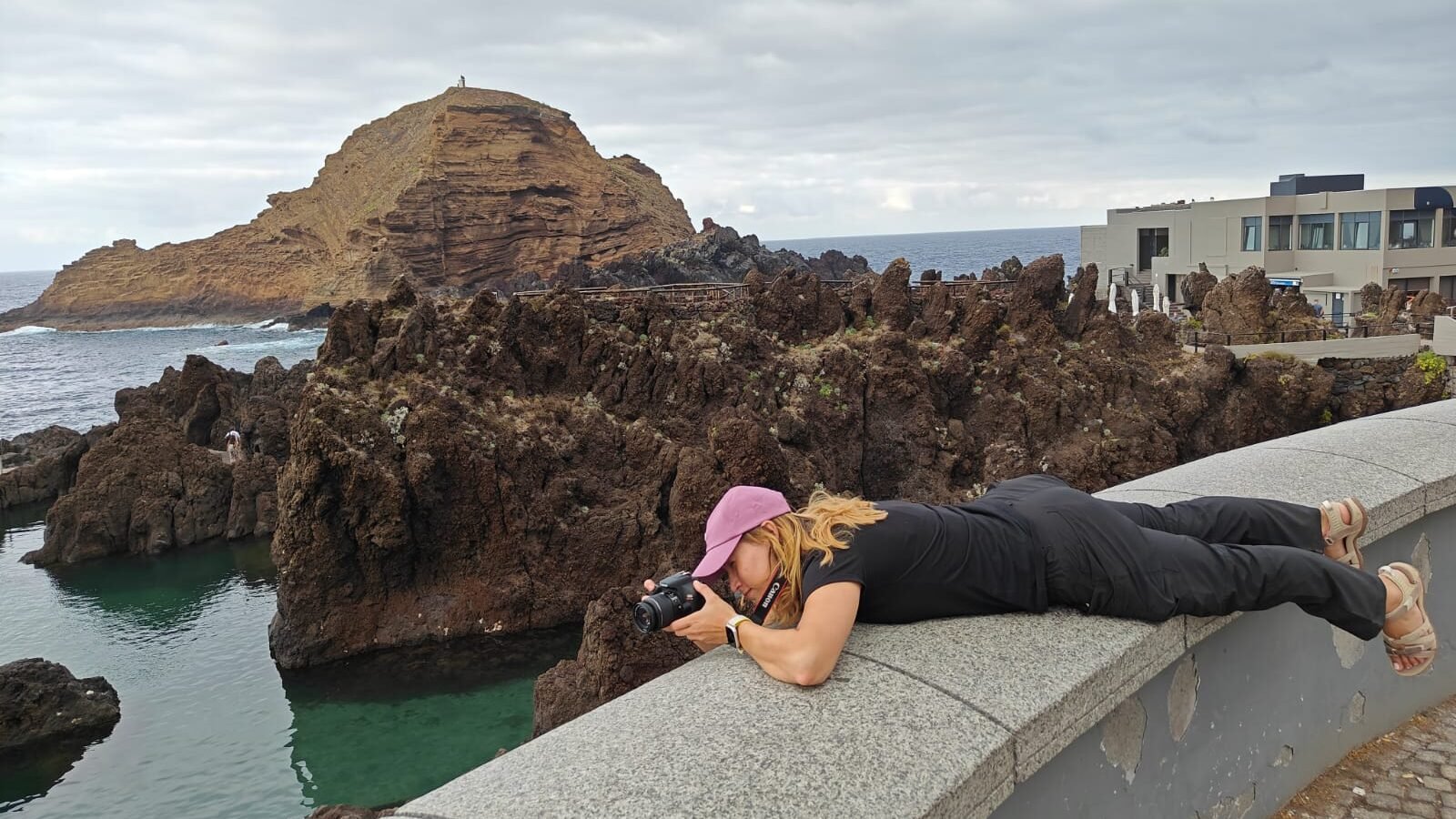
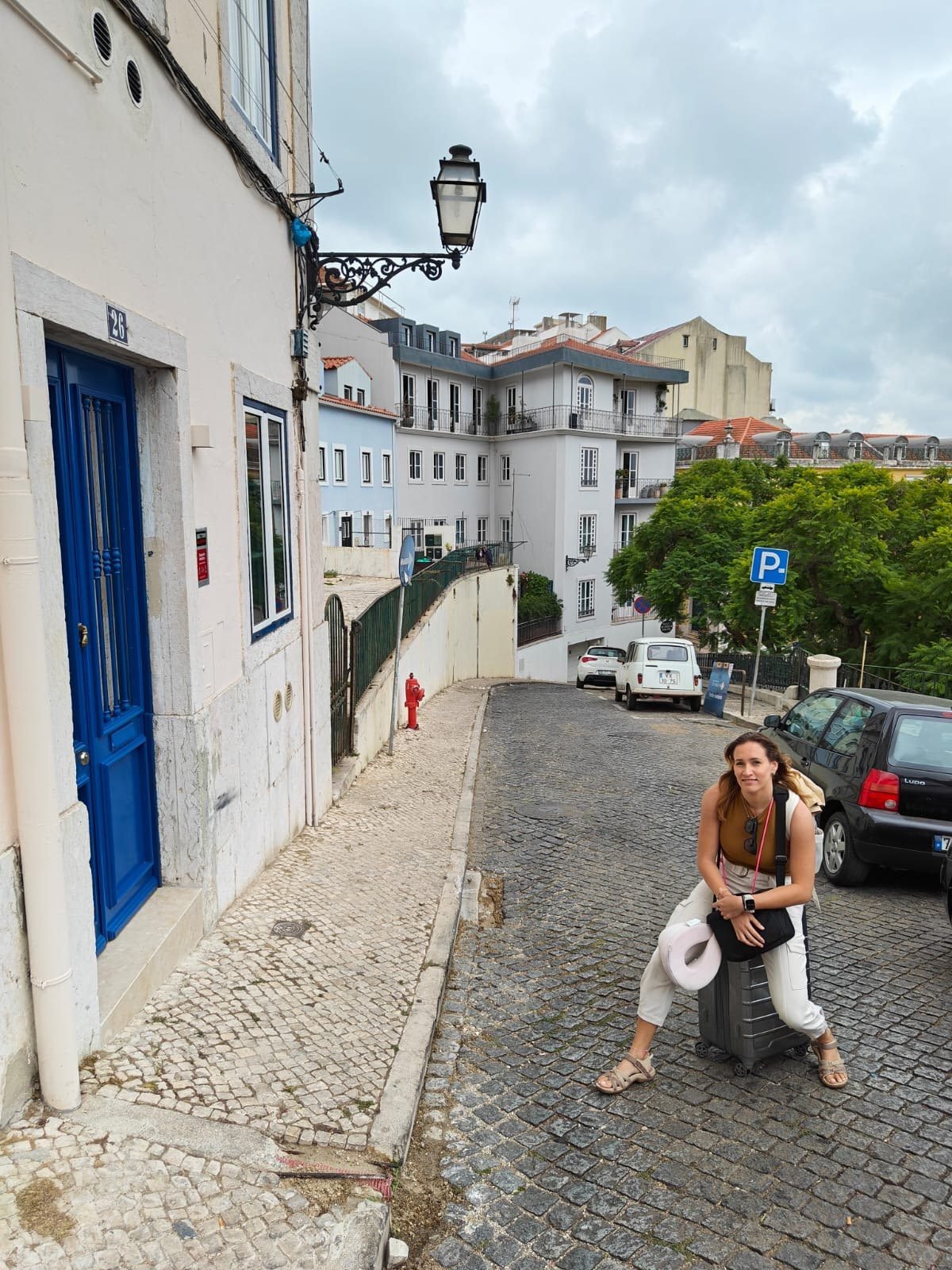
Portugal Field Notes: Madeira, Porto and Lisbon in September 2024

Travel Budget Guides: Real Cost Breakdowns
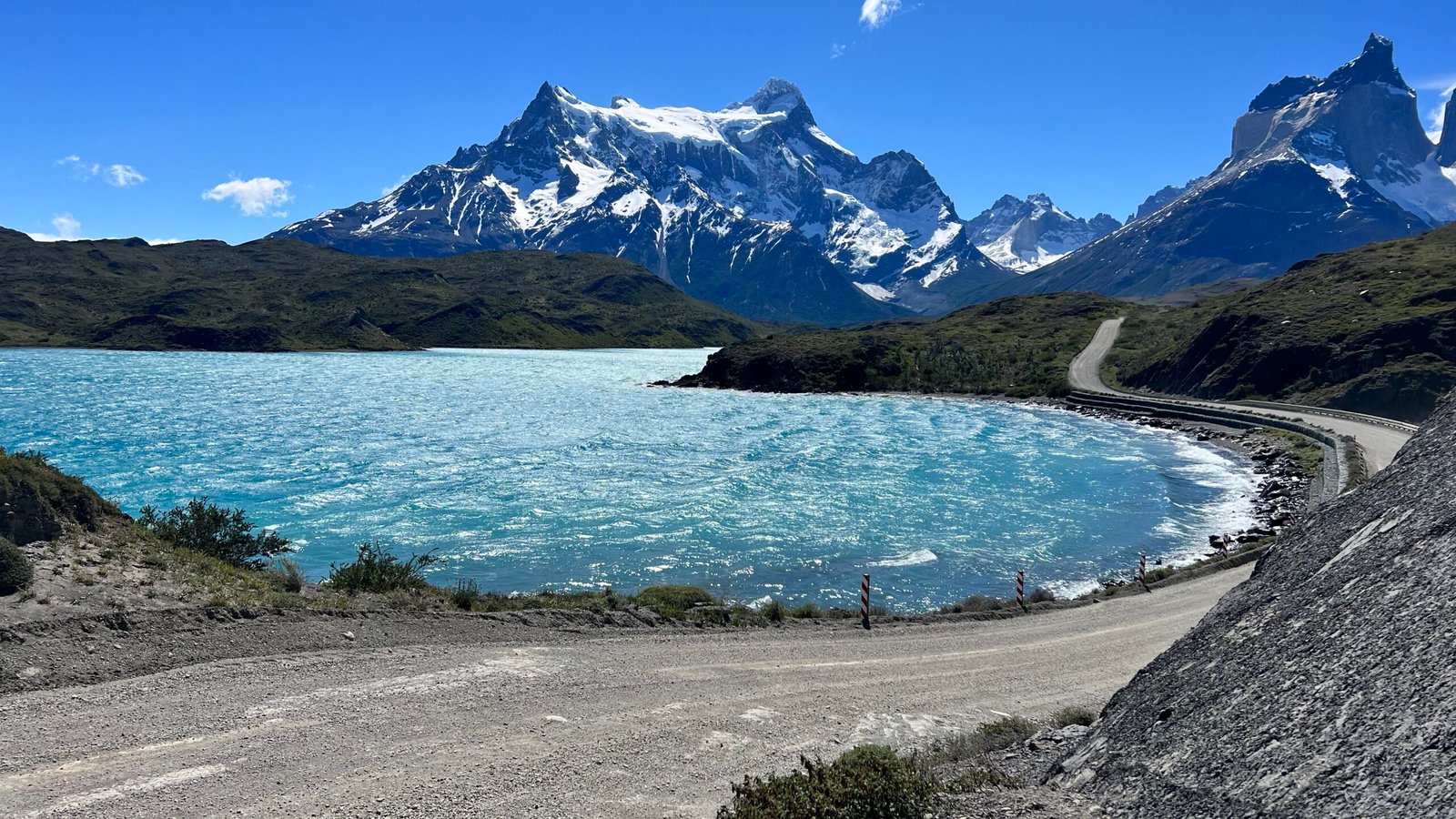
Real, destination-by-destination cost breakdowns — starting with the Patagonia W Trek — with unconfirmed figures clearly marked rather than guessed…

How I Pack: A Carry-On System That Works for Any Trip
The general packing philosophy behind every destination-specific list on this site — carry-on only, layered for real weather, and sorted…

Marrakech Field Notes: Three Days in the Red City, November 2025
Nuuk Field Notes: Playing the NACHC Women’s Championship in Greenland, June 2023