Exploring Florida
We haven’t logged a full Team USA trip built specifically around Florida yet, but we wanted this page live with genuinely useful information while our destination guides are still in progress. Florida stretches far longer than most people expect, from the theme parks of Orlando to the Latin-influenced energy of Miami, the quieter Gulf Coast beaches, and the laid-back Florida Keys. Deciding which part of the state to focus on matters more here than in almost any other US destination. Trying to combine too many regions in one trip usually means spending more time driving than actually enjoying any single place.
Florida uses the US dollar, and cards are accepted everywhere, including theme parks, beach vendors, and small local restaurants. A car is essential for most of the state — public transit is limited outside of a few urban cores like downtown Miami and Orlando’s theme park shuttles. Tipping follows standard US norms, around 18-20% at restaurants. There’s no state income tax in Florida, but sales tax runs around 6-7.5% depending on the county. Rental cars can be in high demand during peak season, so it’s worth booking well in advance if you’re visiting over winter holidays or spring break.
Orlando is built around its theme parks, so most visitors base their entire trip around Walt Disney World or Universal Studios and rarely leave the immediate area. Miami offers a completely different experience, with Art Deco architecture in South Beach, a strong Cuban and Latin American food scene, and a nightlife culture that runs late. The Florida Keys, connected by a scenic overseas highway, are ideal for a slower few days of diving, fishing, and watching sunsets from Key West.
The Gulf Coast, including cities like Tampa, St. Petersburg, and Naples, tends to offer calmer water and a quieter beach scene than the Atlantic side, along with a strong sunset-watching culture along the western shoreline. Northern Florida, around Jacksonville and the Panhandle, feels noticeably different from the rest of the state, with a more Southern character and beaches known for exceptionally white sand and clear water near towns like Destin. If you have limited time, it’s usually better to pick one region and explore it well rather than trying to drive the length of the state on a single trip.
Summers in Florida are hot, humid, and prone to sudden afternoon thunderstorms, especially inland, while hurricane season runs June through November and is worth watching closely if you’re traveling to the coast during those months. Winter is peak season for most of the state, since it offers a warm escape from colder climates elsewhere, which also means higher prices and bigger crowds at theme parks and beaches alike. Tap water is safe to drink throughout the state. Sunscreen and hydration matter more than most visitors expect, even on cloudy days, given the intensity of the Florida sun for most of the year.
Florida has several major airports, including Orlando, Miami, Tampa, and Fort Lauderdale, so it’s worth checking which one is closest to your specific destination rather than assuming Orlando or Miami is automatically the better choice.
Have you traveled to Florida, or are you planning a trip soon? We’d love to hear your recommendations and questions in the comments below — this page will keep growing as our own Florida stories come in.
Local Guides
Guides & Stories
Everything we’ve published about this destination, updated as new stories go live.
New stories for this destination are on the way — check back soon, or explore our latest itineraries in the meantime.
More to Explore
More Travel Inspiration
Fresh from the blog — recent stories and guides from around the world.

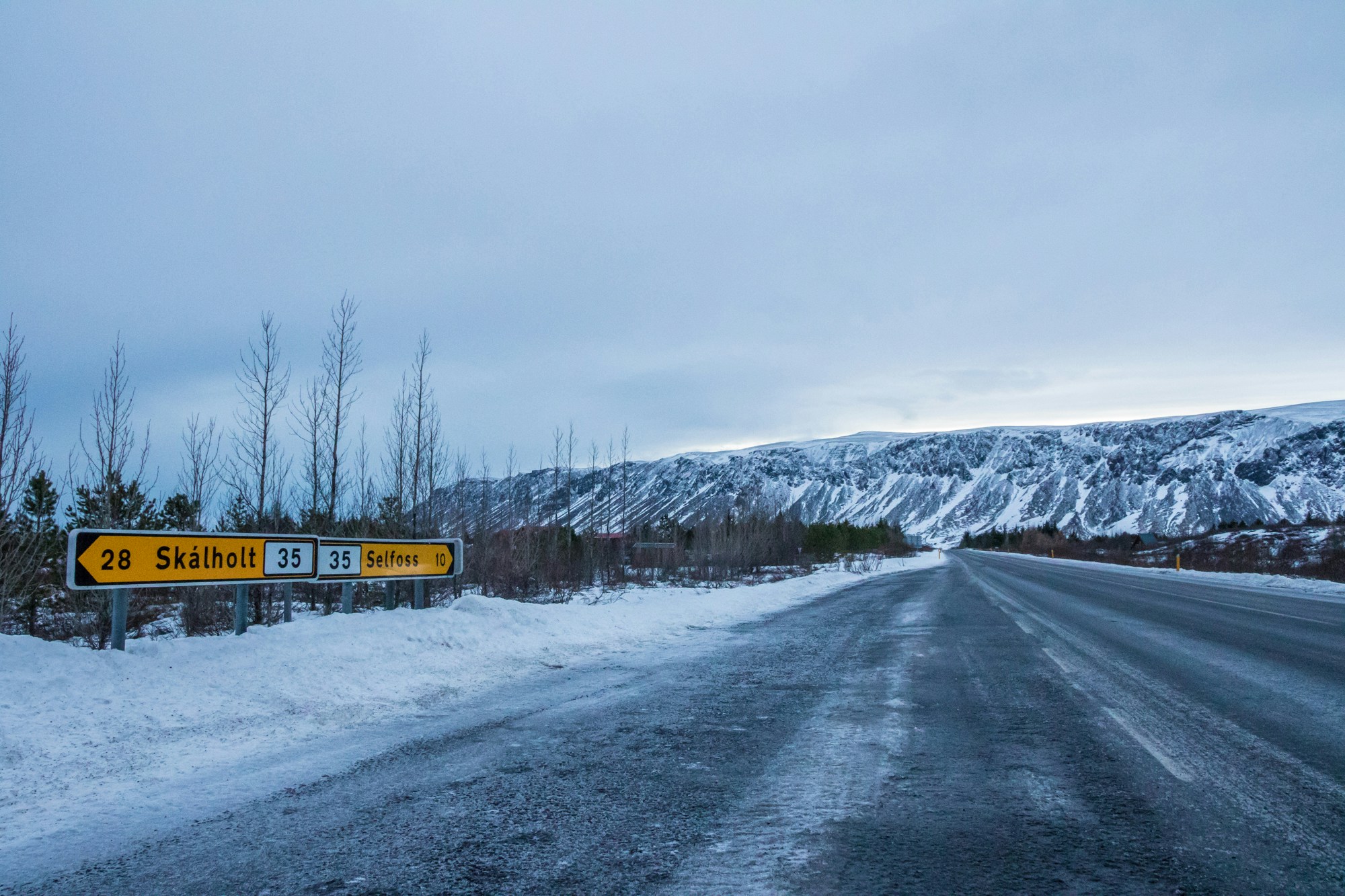
Iceland Field Notes: Five Days Around Reykjavík, June 2023

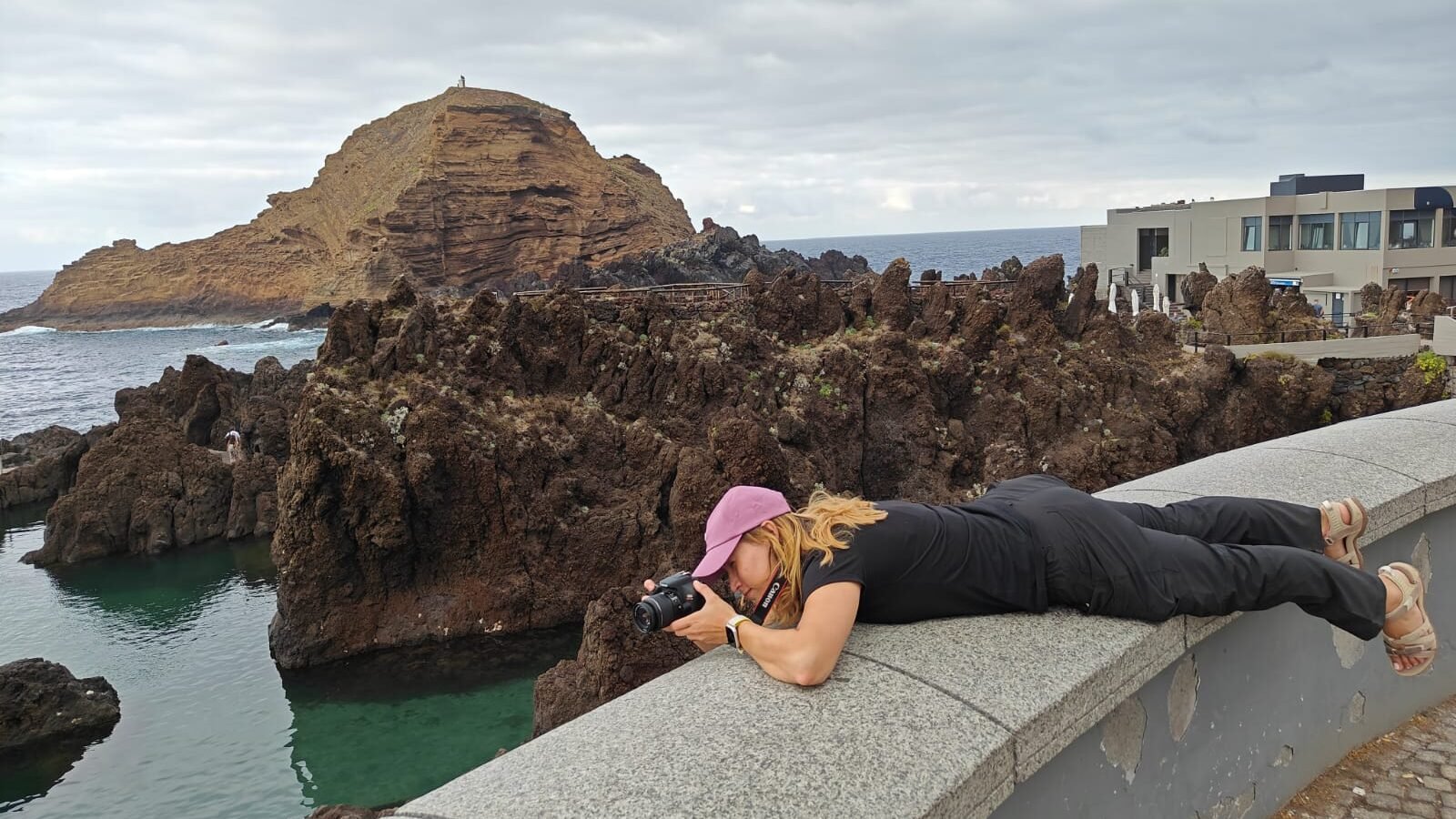
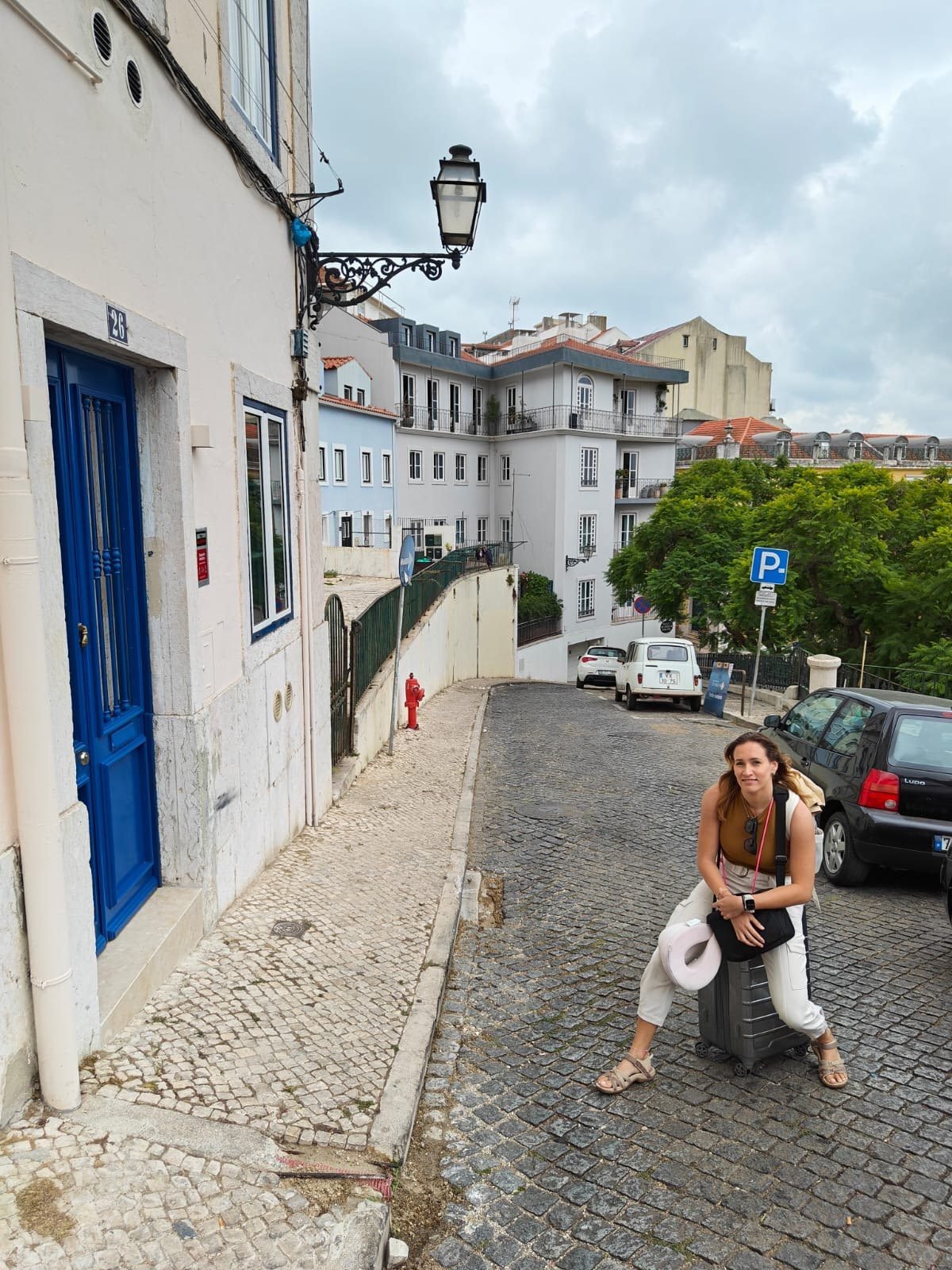
Portugal Field Notes: Madeira, Porto and Lisbon in September 2024

Travel Budget Guides: Real Cost Breakdowns
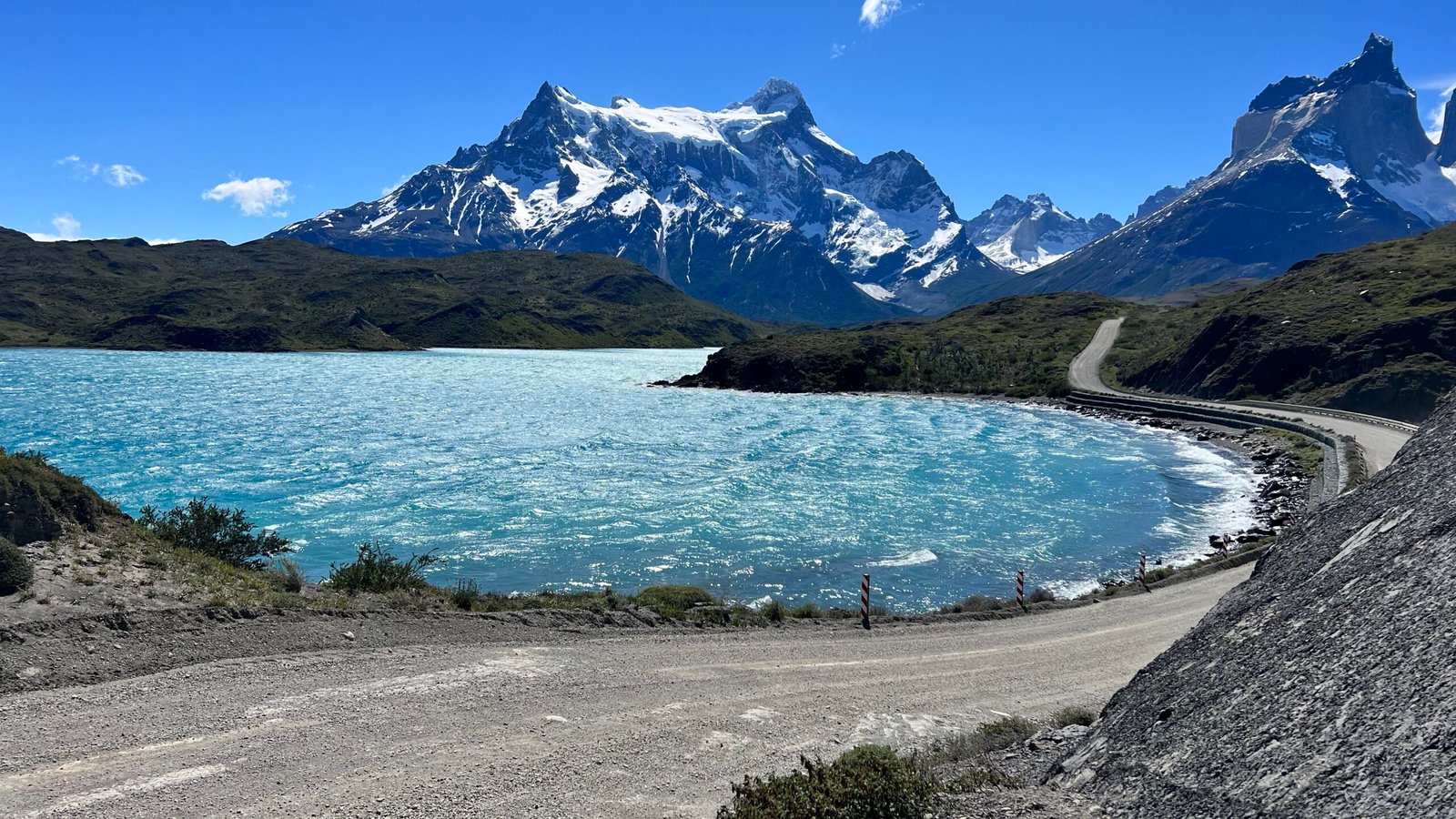
Real, destination-by-destination cost breakdowns — starting with the Patagonia W Trek — with unconfirmed figures clearly marked rather than guessed…

How I Pack: A Carry-On System That Works for Any Trip
The general packing philosophy behind every destination-specific list on this site — carry-on only, layered for real weather, and sorted…

Marrakech Field Notes: Three Days in the Red City, November 2025
Nuuk Field Notes: Playing the NACHC Women’s Championship in Greenland, June 2023