Travel Styles · Nature
Find Yourself
in the Wild
National parks, remote coastlines, wildlife encounters, and landscapes so vast they’re difficult to comprehend until you’re standing in them.
About This Style
What Is Nature Travel?
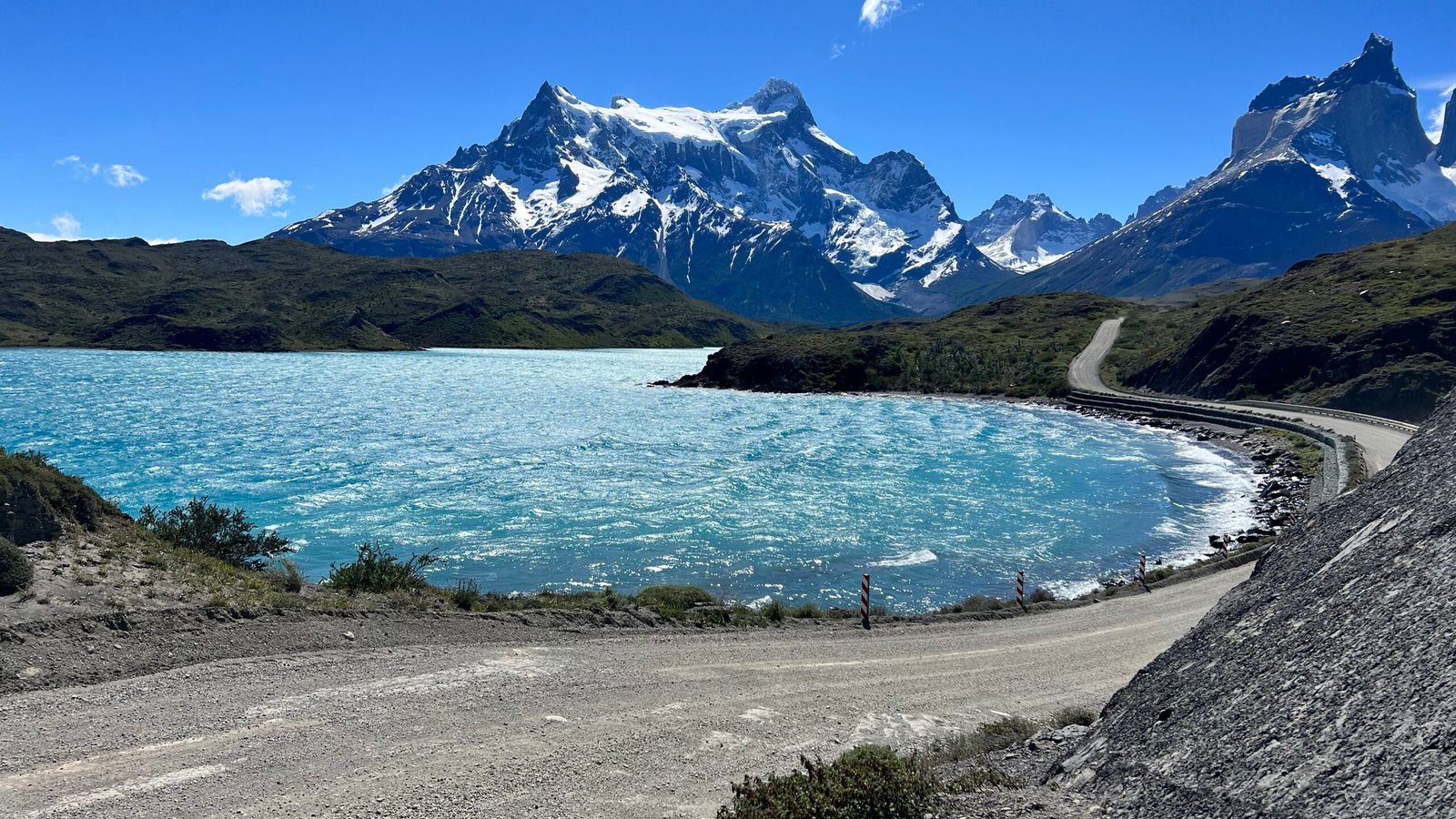
The blog’s nature coverage begins with places I have actually planned and experienced—especially Torres del Paine and the Patagonia W Trek. Expect practical trail logistics, seasonal reality, packing decisions, campsite timing, and honest pacing rather than generic lists of beautiful landscapes.
This style is for you if…
You feel most alive outdoors. You plan vacations around landscapes, not cities. Crowds are your least favorite travel companion.
Nature Guides
Guides for Nature Travelers
Begin with Torres del Paine: real W Trek planning, campsites, gear, weather, and the decisions that shape time outdoors.
Explore More Styles
Not Quite Your Style?
Discover all 10 travel styles — from luxury escapes to road trip adventures.
Planning a Nature-Focused Trip
Nature travel tends to reward a slower pace than most other kinds of trips. Wildlife doesn’t operate on a tourist schedule, and the best sightings, the clearest views, and the most memorable moments in the outdoors usually come to people willing to wait around rather than rush from one spot to the next. Building extra time into the itinerary, rather than a tightly packed list of stops, makes a real difference to how much you actually see.
Weather and season matter more for nature travel than almost any other style of trip, since they directly affect trail conditions, wildlife activity, and whether certain areas are even accessible. It’s worth checking not just the general climate but specific seasonal patterns — migration timing, wet versus dry season, snow closures — for the exact region and time of year you’re planning to visit.
Good footwear and layered clothing matter more here than in most travel styles, since conditions can shift quickly between a sunny trailhead and a cold, windy summit or an unexpected afternoon downpour. A broken-in pair of boots and a few thin layers that can be added or removed beat a single heavy jacket almost every time.
Hiring a local guide, even for a single day, is one of the more underrated upgrades in nature travel. Someone who knows the area can point out wildlife, plants, and terrain features that would otherwise go unnoticed, and often knows which trails or viewpoints are worth the detour and which are better skipped, especially with limited time.
Finally, it’s worth traveling with a genuine leave-no-trace mindset — packing out all trash, staying on marked trails, and keeping a respectful distance from wildlife. Nature travel depends on the places staying wild and undisturbed, and small habits like these are what keep those places worth visiting for the travelers who come after you.
Booking permits, park entries, and any required reservations well ahead of time is essential for a lot of nature travel, since many of the most rewarding trails, campsites, and wildlife areas cap the number of visitors per day. Waiting until the last minute to sort this out is one of the most common ways a nature trip gets derailed before it even starts.
A good pair of binoculars and a basic field guide, whether physical or on a phone, adds a surprising amount to a nature trip, turning a distant shape in a tree or a bird call into something identifiable and memorable. Small investments like these tend to pay off far more on a nature-focused trip than they would on most other kinds of travel.