DESTINATIONS
CENTRAL AMERICA & CARIBBEAN
Central America & Caribbean · COUNTRY FIELD NOTE
Cuba
Photography-led planning, firsthand perspective, and the details that make a place feel specific.
Find your season
Temperatures in Cuba
Monthly averages for Havana. A starting point for planning your trip.
Coolest monthJanuary · 22°C
Warmest monthAugust · 29°C
A local reference, not a country-wide average or a forecast. Coasts, mountains, and other regions can have very different conditions.
NASA POWER / MERRA-2 · 2001–2020 · 20-year monthly means. Colors indicate temperature, not a best-time-to-visit rating.
Traveling Cuba
Cuba is still on my list of places I’m putting together full guides for, but I wanted to get the essentials up here for anyone planning a trip in the meantime. It’s unlike anywhere else in the Caribbean — classic cars still fill the streets of Havana, live music spills out of doorways most nights, and the pace of daily life runs noticeably slower than its neighbors.
Travel to Cuba works differently than most Caribbean destinations, especially for US travelers. US citizens need to travel under one of twelve authorized categories (like support for the Cuban people), and direct US credit and debit cards don’t work on the island, so you’ll need to bring enough cash for your entire trip. The currency situation has also changed in recent years, so it’s worth checking current exchange practices close to your travel dates rather than relying on older guides. Double check the latest rules before you finalize any bookings.
Internet access in Cuba is limited and slower than most travelers are used to, mostly available through wifi hotspots in parks and hotels rather than reliable in-room connections. Hurricane season runs June through November, and it’s worth checking the U.S. State Department’s Cuba travel page for current entry requirements and advisories before you book, since rules for US travelers have shifted more than once in recent years.
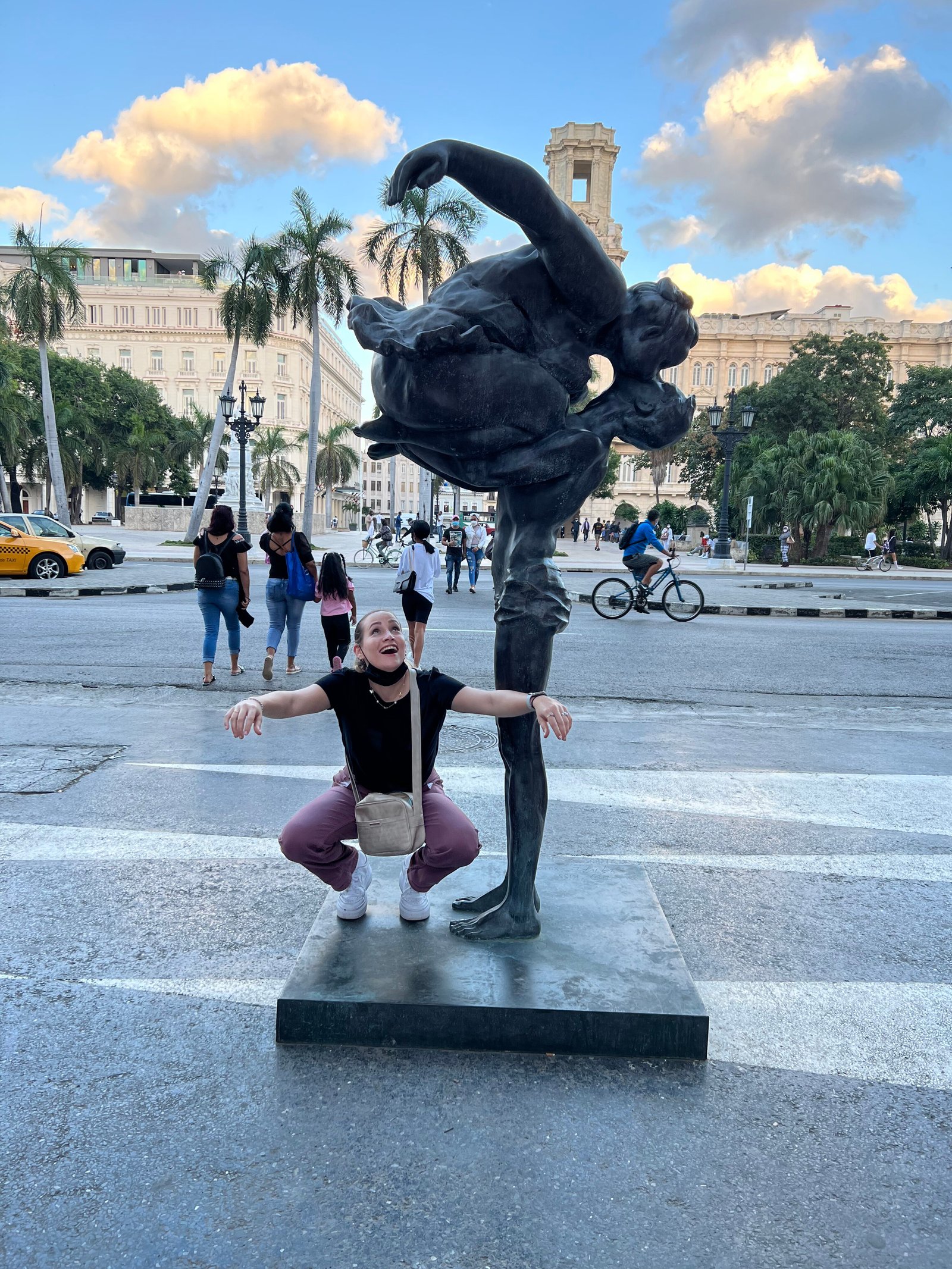
Havana is the obvious starting point for most Cuba trips, and it rewards slow wandering — the crumbling, colorful architecture of Old Havana, the Malecón seawall at sunset, and paladares (private, family-run restaurants) serving some of the best food on the island. Beyond the capital, Viñales offers a completely different pace with tobacco farms and dramatic limestone hills, while Trinidad’s cobblestone streets feel frozen in an earlier century. Each of these spots feels worlds apart from the others, which is part of what makes Cuba such a rewarding, if logistically trickier, place to explore.
Getting around Cuba independently takes some patience. Organized tours and casas particulares (private homestays) tend to be the easiest way to travel, since official infrastructure like ATMs, reliable transit schedules, and consistent wifi can’t always be counted on. Bringing a mix of cash in small denominations, along with printed reservations and confirmations, will save you a lot of stress once you’re there.
Weather in Cuba stays warm year-round, with the driest, most popular months falling between November and April. Pack light, breathable clothing, sun protection, and any specific medications you might need, since pharmacies can be limited outside major cities. A physical guidebook or offline map is also worth having, given how unreliable data connections can be once you’re outside Havana. A little extra preparation goes a long way toward a smoother trip.
We’ll be adding proper trip guides and stories from Cuba as they happen. In the meantime, if you’ve been and have practical tips to share — especially anything about navigating currency or connectivity — I’d love to hear about it in the comments.
Local Guides
Guides & Stories
Everything we’ve published about this destination, updated as new stories go live.
More to Explore
More Travel Inspiration
Fresh from the blog — recent stories and guides from around the world.

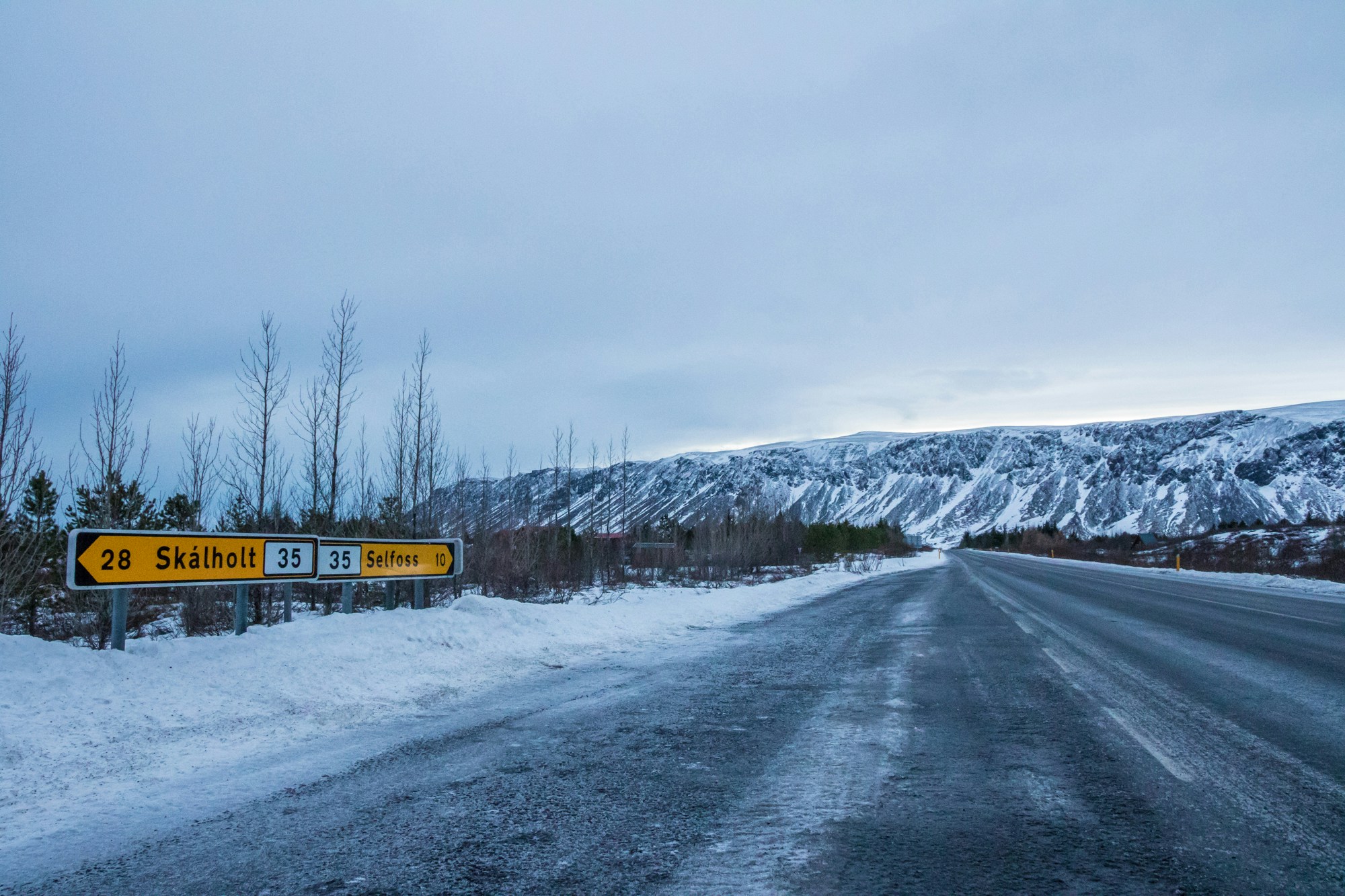
Iceland Field Notes: Five Days Around Reykjavík, June 2023

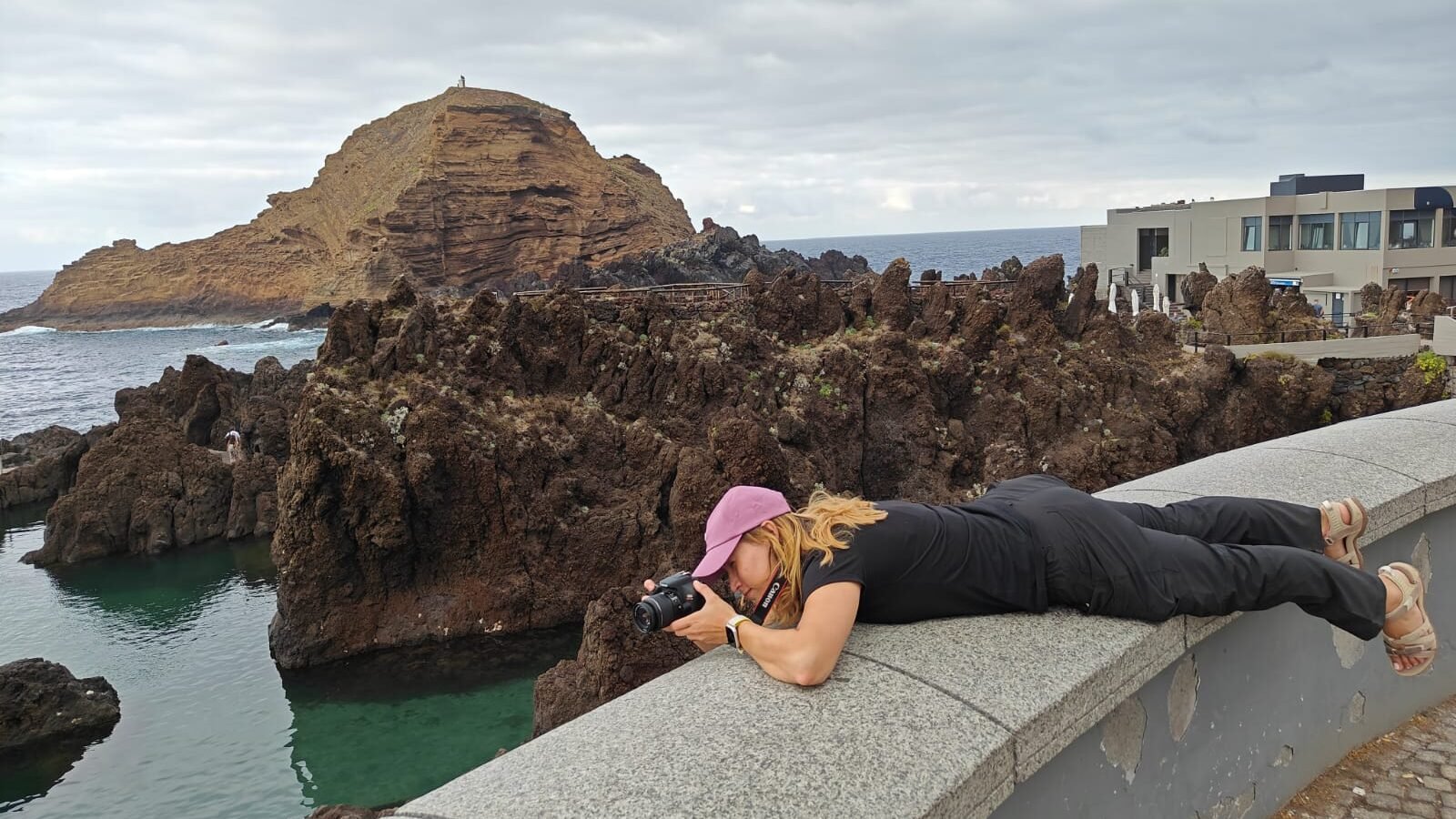
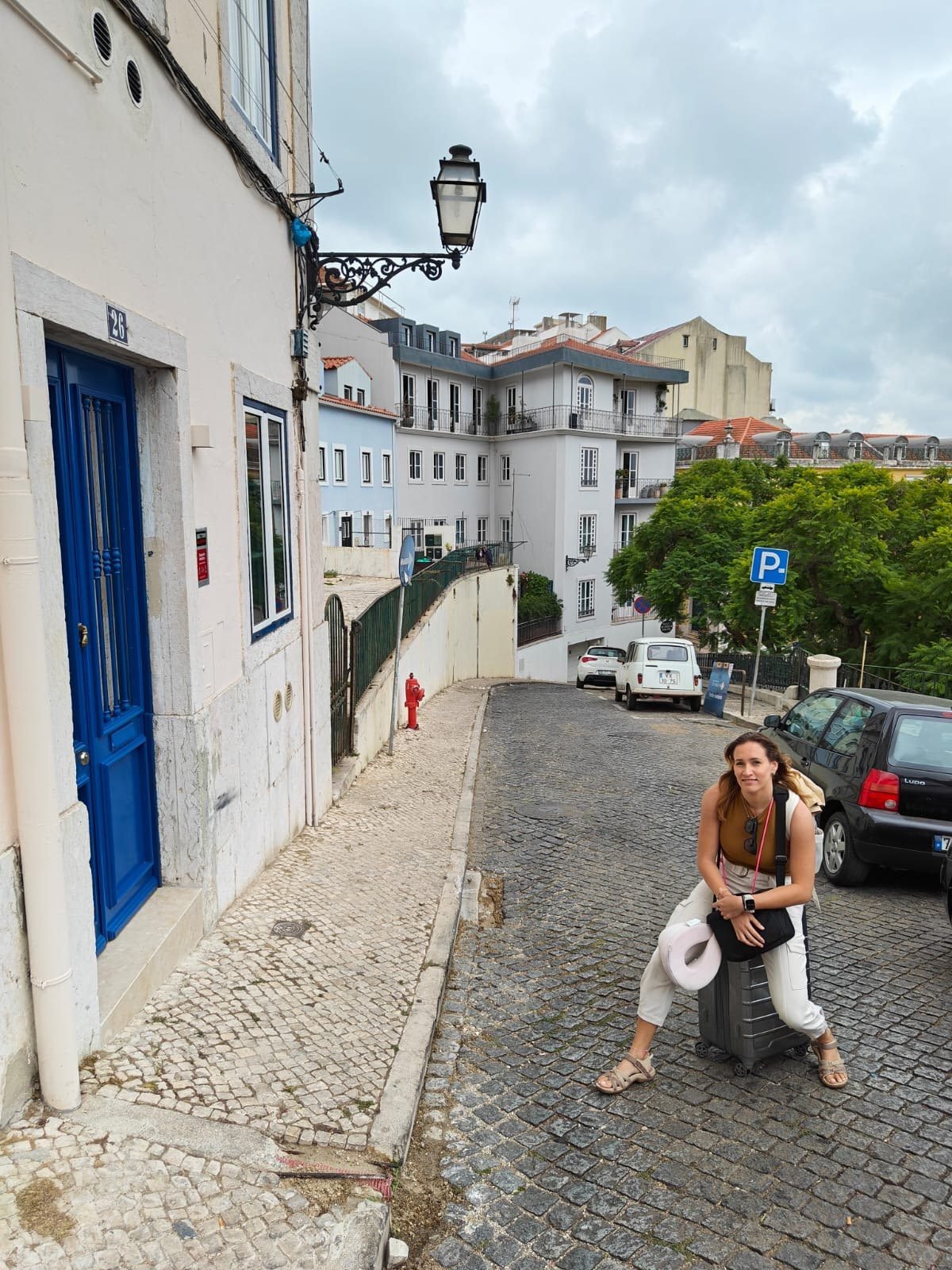
Portugal Field Notes: Madeira, Porto and Lisbon in September 2024

Travel Budget Guides: Real Cost Breakdowns
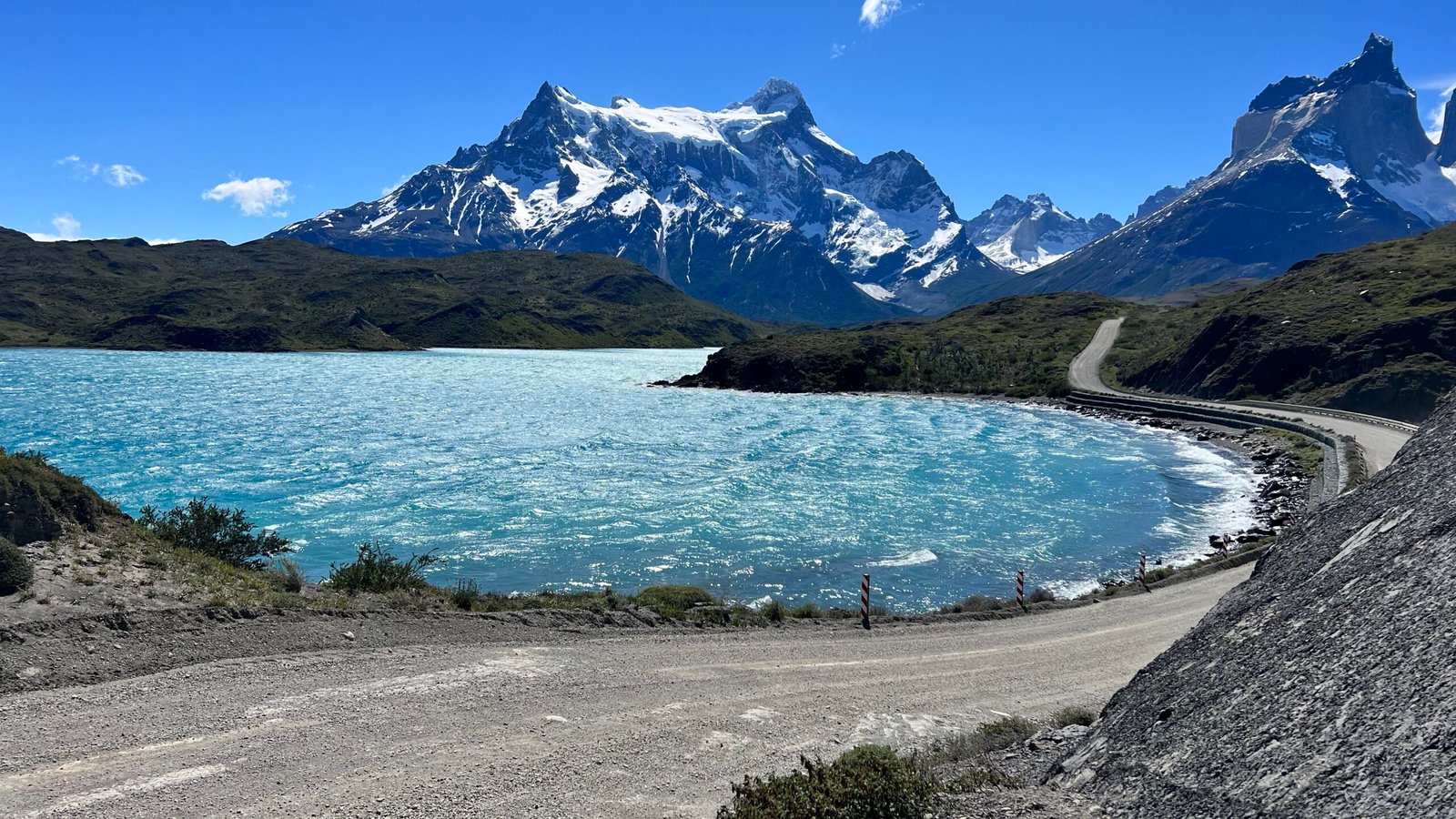
Real, destination-by-destination cost breakdowns — starting with the Patagonia W Trek — with unconfirmed figures clearly marked rather than guessed…

How I Pack: A Carry-On System That Works for Any Trip
The general packing philosophy behind every destination-specific list on this site — carry-on only, layered for real weather, and sorted…

Marrakech Field Notes: Three Days in the Red City, November 2025
Nuuk Field Notes: Playing the NACHC Women’s Championship in Greenland, June 2023