DESTINATIONS
EUROPE
Europe · COUNTRY FIELD NOTE
Iceland
Photography-led planning, firsthand perspective, and the details that make a place feel specific.
Find your season
Temperatures in Iceland
Monthly averages for Reykjavík. A starting point for planning your trip.
Coolest monthFebruary · 0°C
Warmest monthJuly · 11°C
A local reference, not a country-wide average or a forecast. Coasts, mountains, and other regions can have very different conditions.
NASA POWER / MERRA-2 · 2001–2020 · 20-year monthly means. Colors indicate temperature, not a best-time-to-visit rating.
Exploring Iceland
We haven’t logged a full Team USA training trip to Iceland yet, but we wanted this page live with genuinely useful information while our destination guides are still in progress. Iceland packs an outsized amount of dramatic scenery into a small country — glaciers, volcanoes, waterfalls, and geothermal pools are all within a few hours’ drive of Reykjavik. It’s an easy country to explore on a short trip, but the weather and terrain reward some planning before you go.
Iceland uses the Icelandic krona, though cards are accepted almost everywhere, even for very small purchases, so you rarely need cash. Icelandic is the official language, but English is spoken fluently across the tourism industry, so language is rarely a barrier. Tipping is not expected or customary in Iceland, since service charges are typically built into prices already. Tap water is some of the cleanest in the world and is safe to drink everywhere, including straight from the taps in hotels. Sales tax is included in listed prices, so the number you see on the menu or price tag is what you’ll actually pay at checkout.
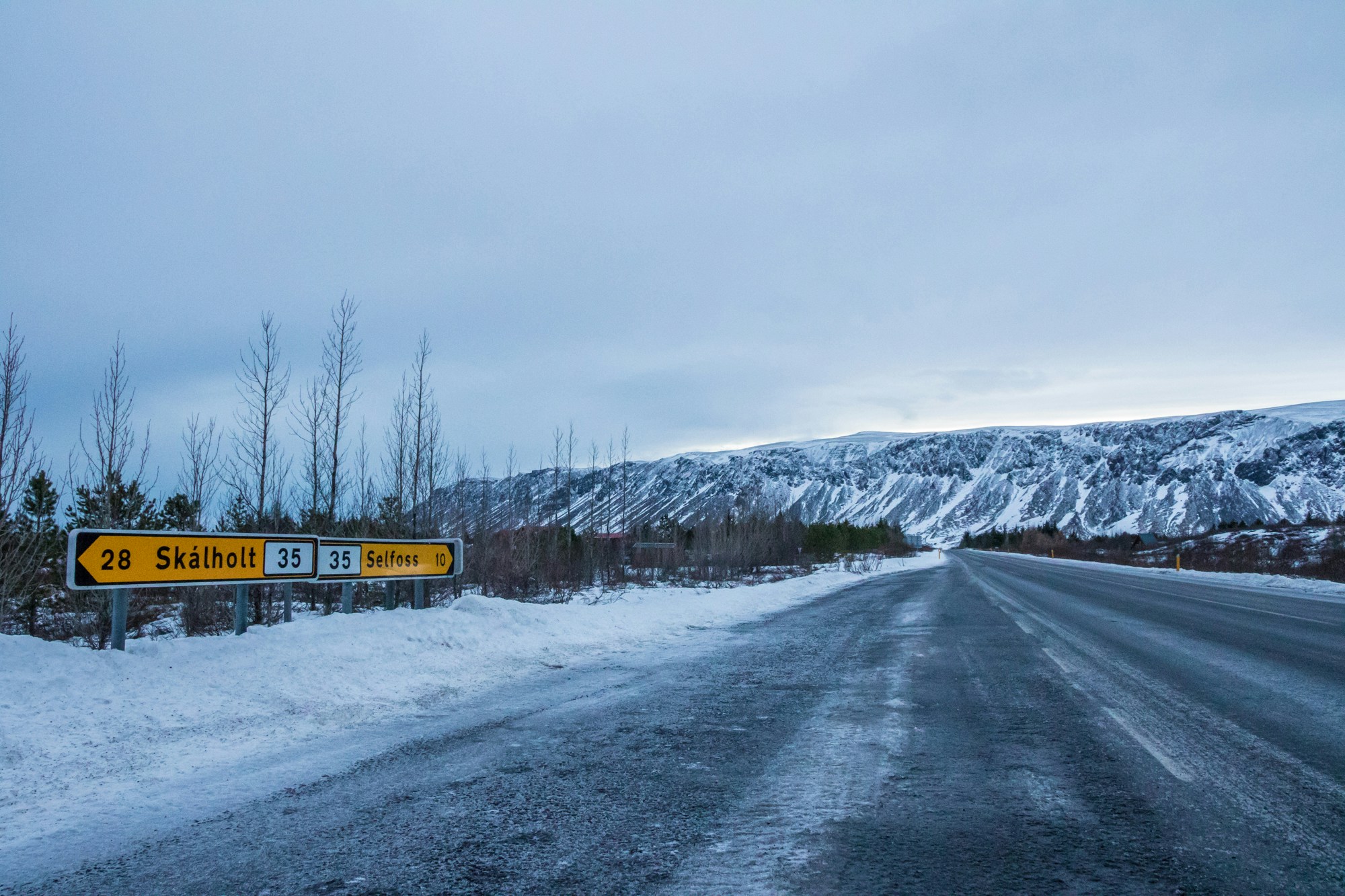
The Ring Road circles the entire island and is the most popular way to see Iceland’s highlights, from the Golden Circle near Reykjavik to the black sand beaches and glacier lagoons in the south and east. Renting a car gives you the most flexibility, though guided tours are worth considering in winter when road conditions and daylight hours are more challenging. Weather can change quickly in Iceland regardless of season, so layered clothing and waterproof outerwear are essential no matter when you visit. Popular stops along the south coast include Seljalandsfoss and Skogafoss waterfalls, the Reynisfjara black sand beach, and the Jokulsarlon glacier lagoon, where icebergs drift out toward the ocean.
Iceland is famous for its geothermal spas, and while the Blue Lagoon is the best known, there are many smaller, less crowded lagoons worth seeking out around the country. Summer brings nearly 24 hours of daylight and access to the highlands, while winter offers a real shot at seeing the northern lights, along with shorter, colder days. Icelandic cuisine leans on fresh seafood and lamb, and while some traditional dishes are an acquired taste, most restaurants in Reykjavik offer approachable, modern menus. Grocery stores are a good way to save money on food, since eating out for every meal in Reykjavik can add up quickly compared to other European capitals.
Reykjavik itself is small and very walkable, with colorful buildings, a lively food hall scene, and easy access to whale watching tours and the famous Hallgrimskirkja church tower for city views. Most visitors base themselves in the capital for a night or two before heading out to explore the countryside, since it’s the most convenient hub for flights, car rentals, and day tours in both directions around the Ring Road.
Iceland’s infrastructure is excellent, but distances between towns outside Reykjavik can be longer than they look on a map, so build extra time into any road trip itinerary. Before you travel, check the U.S. State Department’s country-specific guidance at travel.state.gov for up-to-date entry requirements and safety information.
Have you traveled to Iceland, or are you planning a trip soon? We’d love to hear your recommendations and questions in the comments below — this page will keep growing as our own Iceland stories come in.
Local Guides
Guides & Stories
Everything we’ve published about this destination, updated as new stories go live.
More to Explore
More Travel Inspiration
Fresh from the blog — recent stories and guides from around the world.

Iceland Field Notes: Five Days Around Reykjavík, June 2023

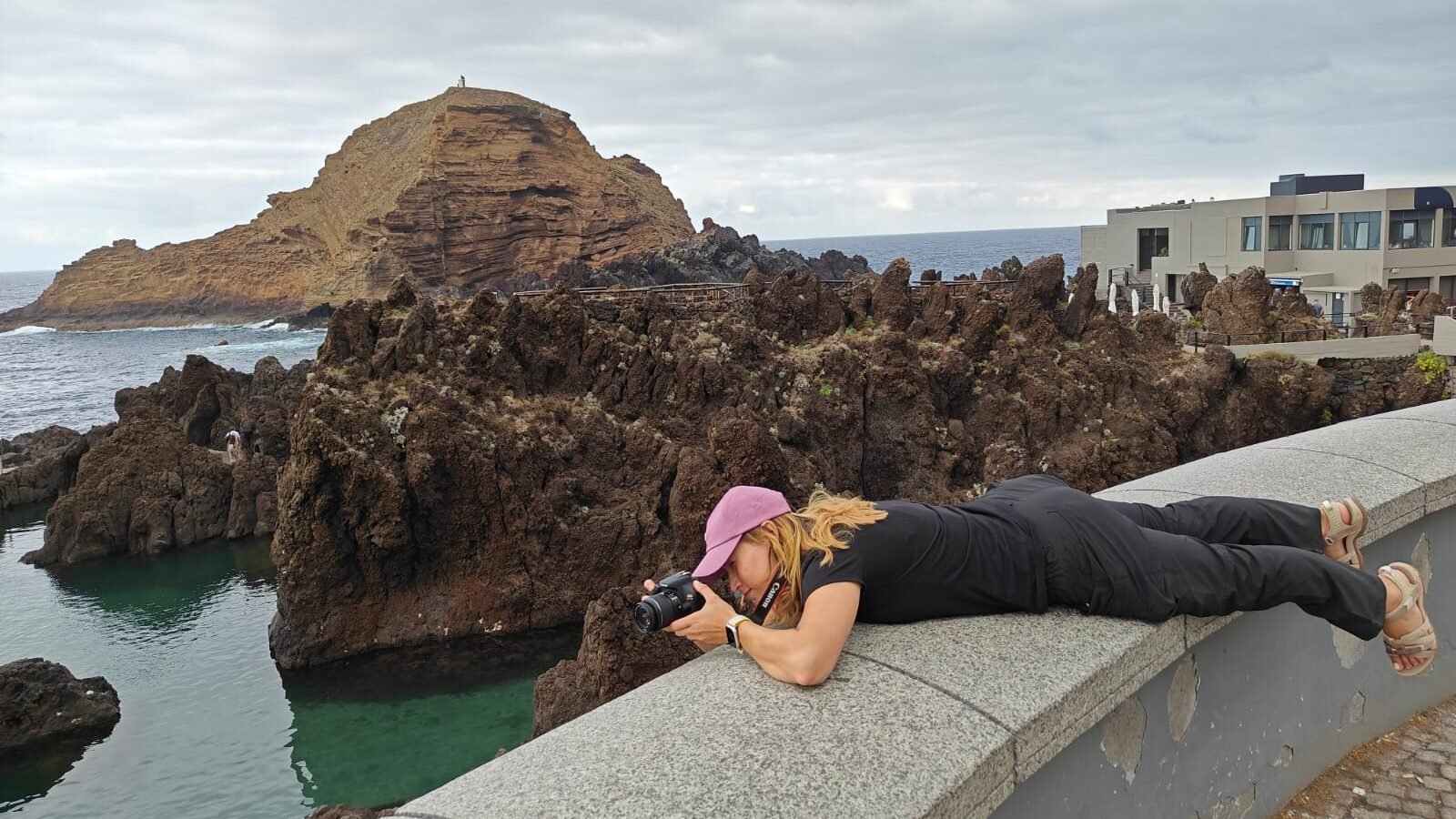
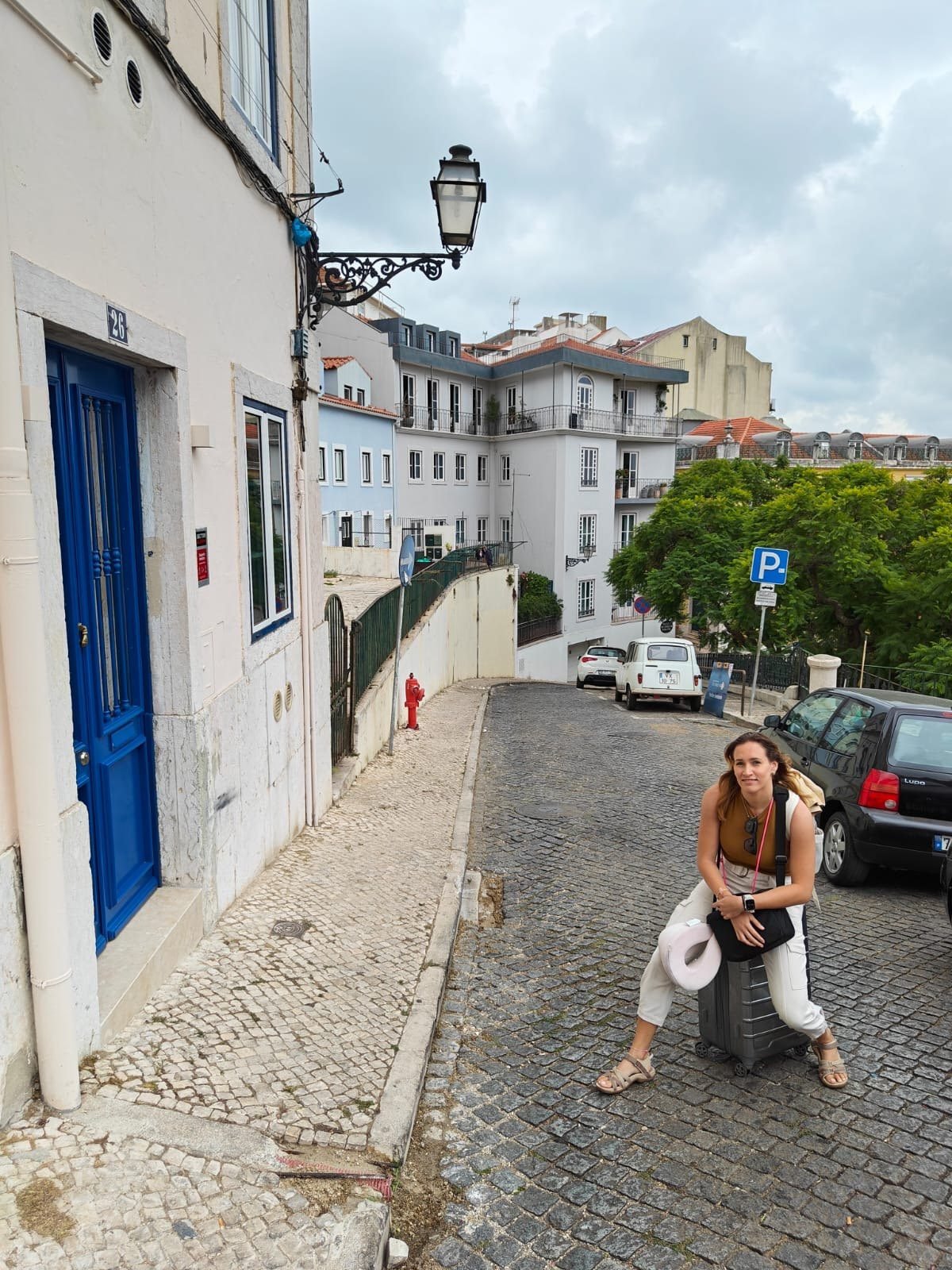
Portugal Field Notes: Madeira, Porto and Lisbon in September 2024

Travel Budget Guides: Real Cost Breakdowns
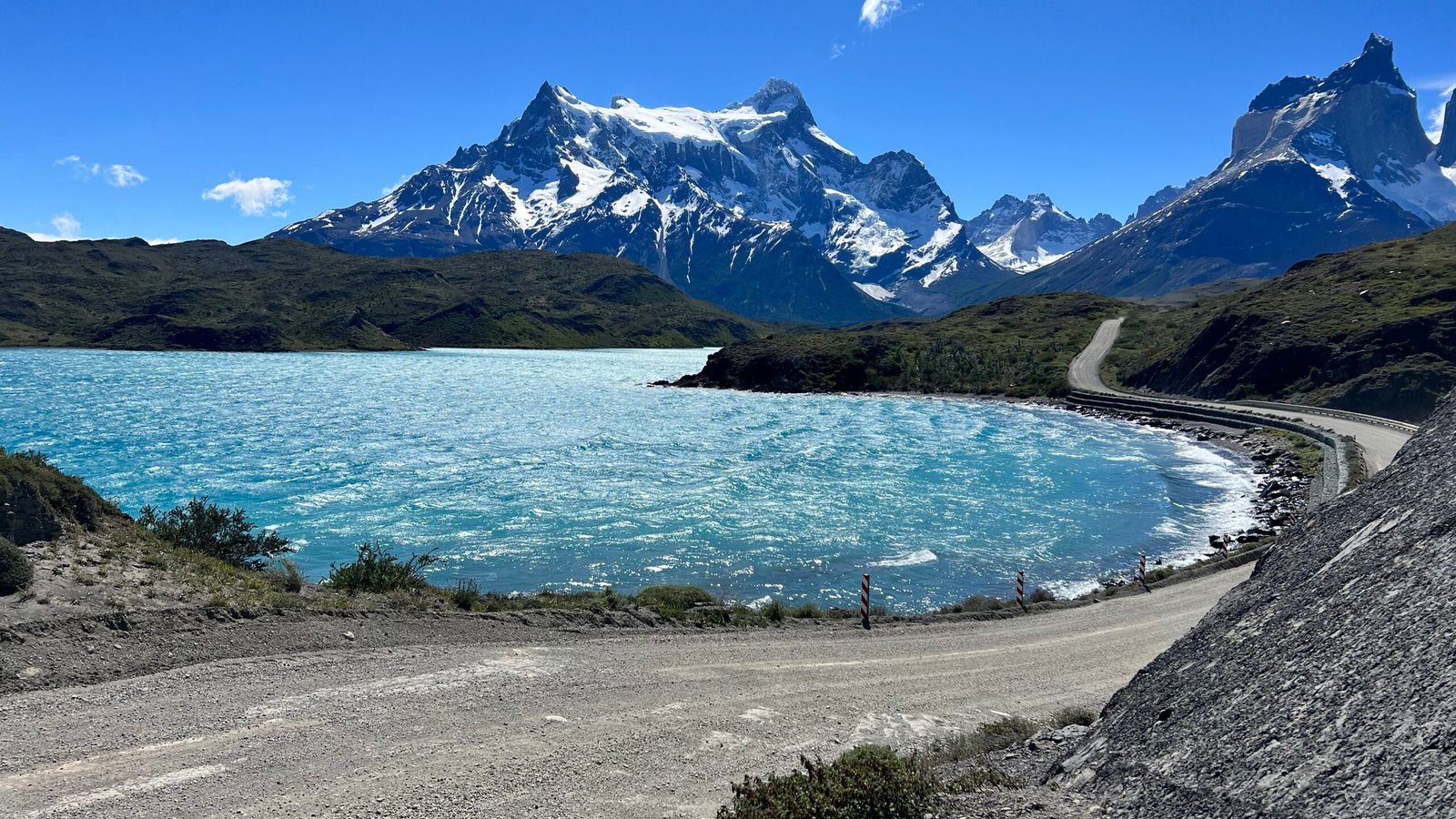
Real, destination-by-destination cost breakdowns — starting with the Patagonia W Trek — with unconfirmed figures clearly marked rather than guessed…

How I Pack: A Carry-On System That Works for Any Trip
The general packing philosophy behind every destination-specific list on this site — carry-on only, layered for real weather, and sorted…

Marrakech Field Notes: Three Days in the Red City, November 2025
Nuuk Field Notes: Playing the NACHC Women’s Championship in Greenland, June 2023